How Cat Food Went From Scraps to a Billion Dollar Industry
Your cat's dinner used to be whatever it could catch, plus whatever scraps landed on the floor. Now it's a tens of billions of dollar global industry with entire aisles dedicated to specific life stages, protein sources and dietary philosophies. That jump didn't happen slowly and steadily, it happened in a handful of specific pushes, and one of them was basically forced by cats going blind.
For most of history, cats just fed themselves
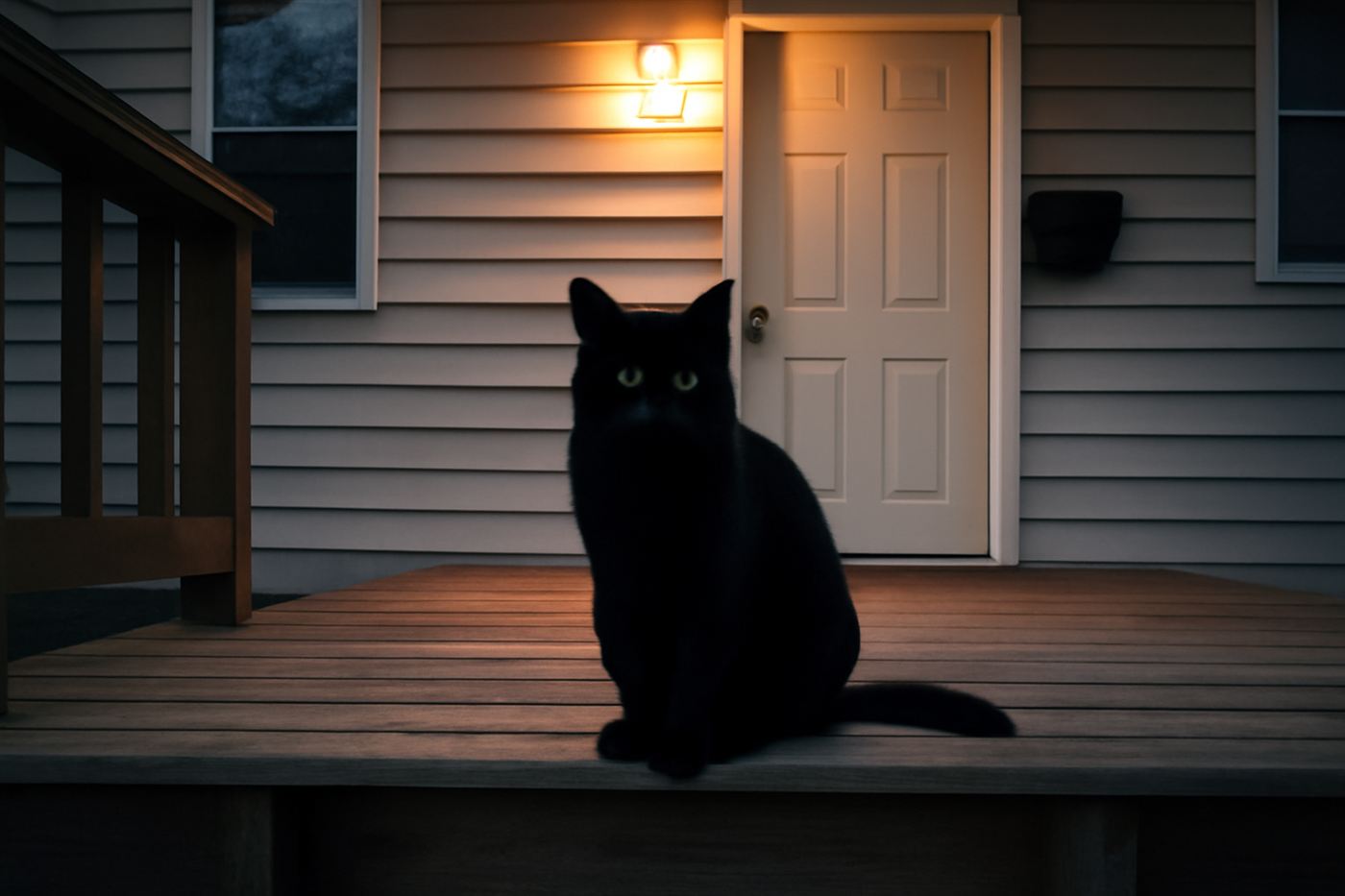
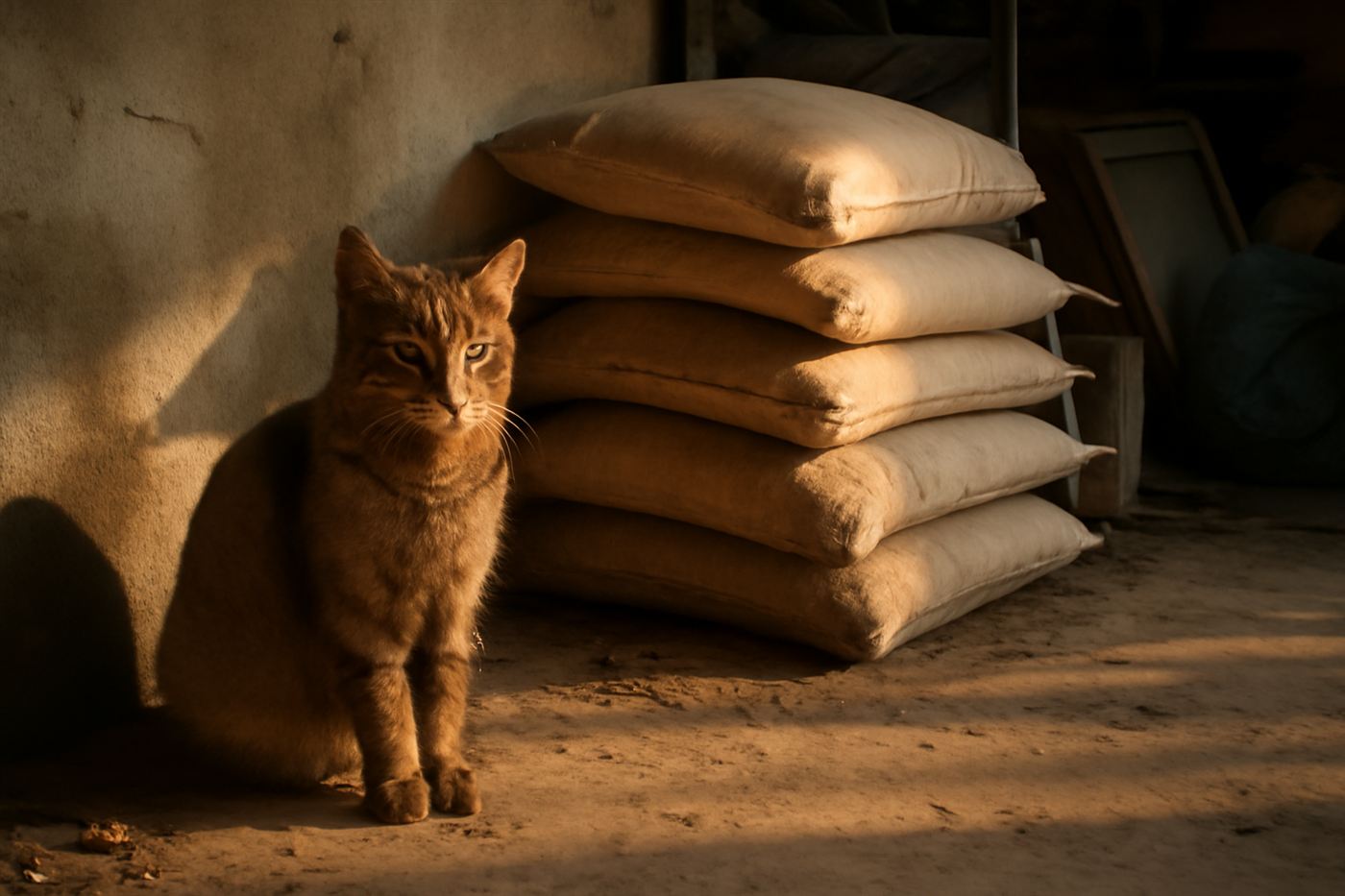
For thousands of years after domestication, cats mostly ate what they hunted, mice, birds, insects, plus whatever table scraps a household tossed their way. There was no concept of "cat food" as a product. Cats were useful pest control animals first, and their diet reflected that, self sourced and largely unmanaged by the humans they lived alongside.
Commercial pet food really took off mid-century
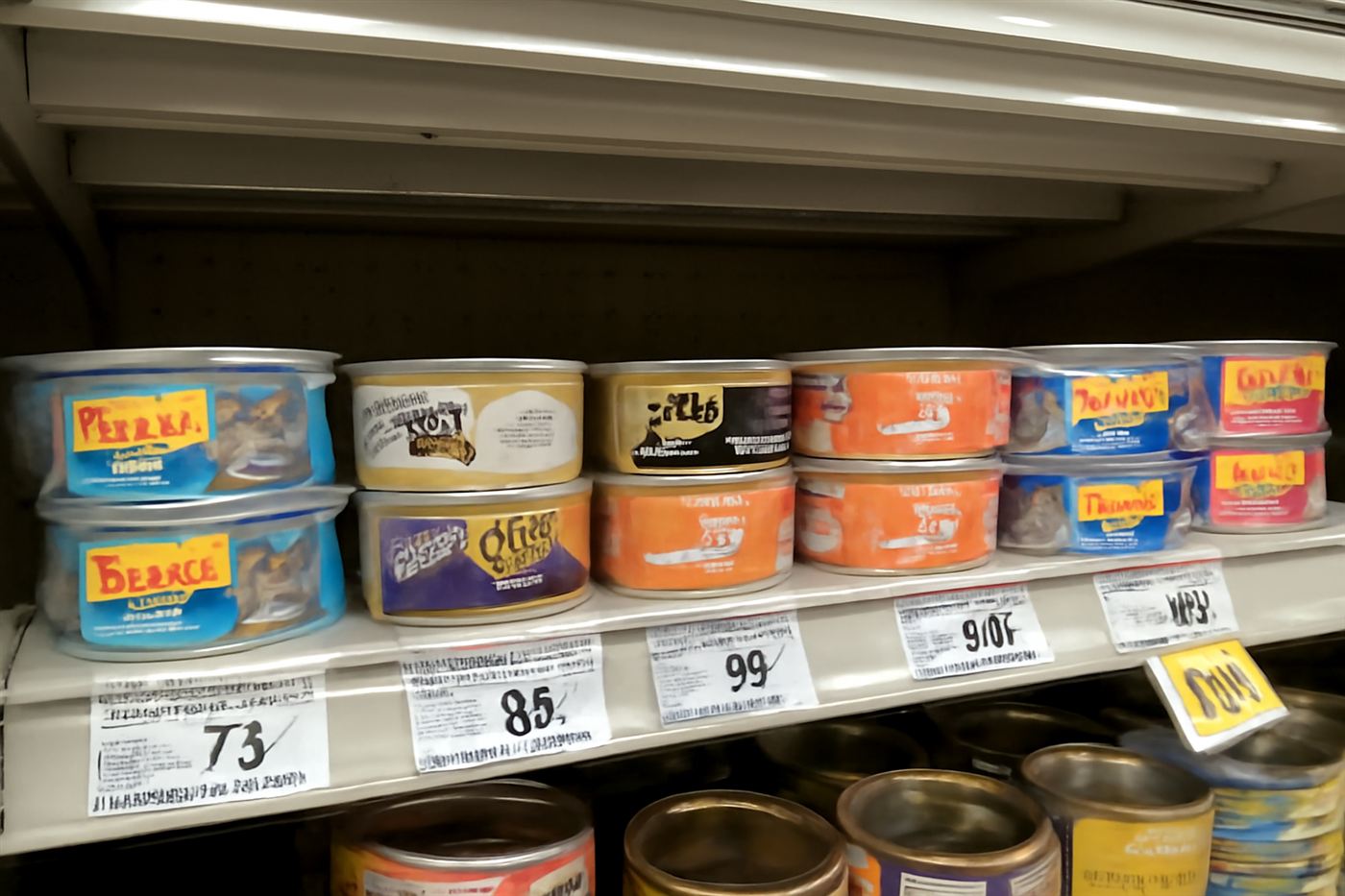
The commercial pet food industry as we'd recognize it today mostly came together in the mid-20th century. Dry and canned pet foods existed in smaller forms earlier, but production and marketing scaled up dramatically starting around the 1940s and 1950s, turning pet food from a niche product into a normal grocery store item.
World War 2 surplus helped canned cat food boom
A big part of the canned cat food boom after World War 2 came down to surplus. Horse meat and fish processing byproducts, leftover material from meat and fish industries that wasn't being used for human food, needed somewhere to go, and canning it into pet food turned out to be a profitable use for it. That post-war surplus is a big, underappreciated reason canned cat food became so widely available and affordable so quickly.
The taurine discovery reshaped everything in the 1980s
One of the biggest turning points in cat food history came in the 1980s, when researchers figured out that cats have a dietary requirement for taurine, an amino acid, that dogs don't share the same way. Before this was understood, some commercial cat foods were inadequate in taurine, and cats eating those formulas were going blind or developing serious heart disease. Once the link became clear, commercial cat food formulas across the industry got rebuilt around guaranteed taurine levels, and it became one of the most important standard requirements in any cat food today.
Premium, grain-free and raw diet trends followed later
Starting in the 1990s and accelerating through the 2000s and 2010s, the industry saw a wave of premium positioning, grain-free formulas and raw or fresh diet options aimed at owners wanting something that felt closer to a natural diet. Not every trend held up to scrutiny equally well, but the overall effect pushed the market toward more segmentation, more price tiers and a lot more label complexity than the simple canned and dry options of the mid-20th century.
A tens of billions of dollar global industry now
According to the Petfinnly's research, the global pet food industry today is worth tens of billions of dollars annually, with cat food making up a significant and steadily growing share of that. What started as a byproduct disposal business after a world war turned into one of the more competitive and heavily marketed consumer product categories out there.
Rough timeline of cat food history
| Period | What happened |
|---|---|
| Pre-20th century | Cats mostly hunted their own food plus household scraps |
| 1940s-1950s | Commercial pet food industry scales up, canned food boosted by post-war surplus meat and fish byproducts |
| 1980s | Taurine deficiency linked to blindness and heart disease in cats, formulas rebuilt industry-wide |
| 1990s-2010s | Rise of premium, grain-free and raw diet trends |
| Today | Tens of billions of dollars globally, heavily segmented by life stage and diet philosophy |
Frequently asked questions
When did commercial cat food actually become common?
It really scaled up in the mid-20th century, roughly the 1940s and 1950s, helped along by surplus horse meat and fish byproducts left over after World War 2 that got canned into pet food.
Why is taurine such a big deal in cat food?
Because cats can't make enough taurine on their own the way some other animals can, so it has to come from their diet. In the 1980s, cats eating taurine-poor commercial food were found going blind and developing heart disease, which forced the whole industry to guarantee proper taurine levels going forward.
Is grain-free or raw cat food actually necessary?
Not automatically. These are more recent market trends rather than a return to some historical necessity, cats did fine for centuries without a "grain-free" label existing at all. What matters most is that a food is complete and balanced for a cat's actual nutritional needs.
From table scraps to a tens of billions of dollar industry, and it took one very specific scientific discovery to get taurine right.