How Everyday Cat Owners Are Actually Helping Scientific Research
You don't need a lab coat to contribute to cat science these days. A lot of the more interesting recent research on cats has come straight from regular owners, tracking their own cat's movements, logging behavior in an app, or just letting their cat participate in a study from the living room instead of a university building. Turns out that's not a downgrade from lab research, it might actually be an upgrade.
GPS collars turning cats into ecology data points
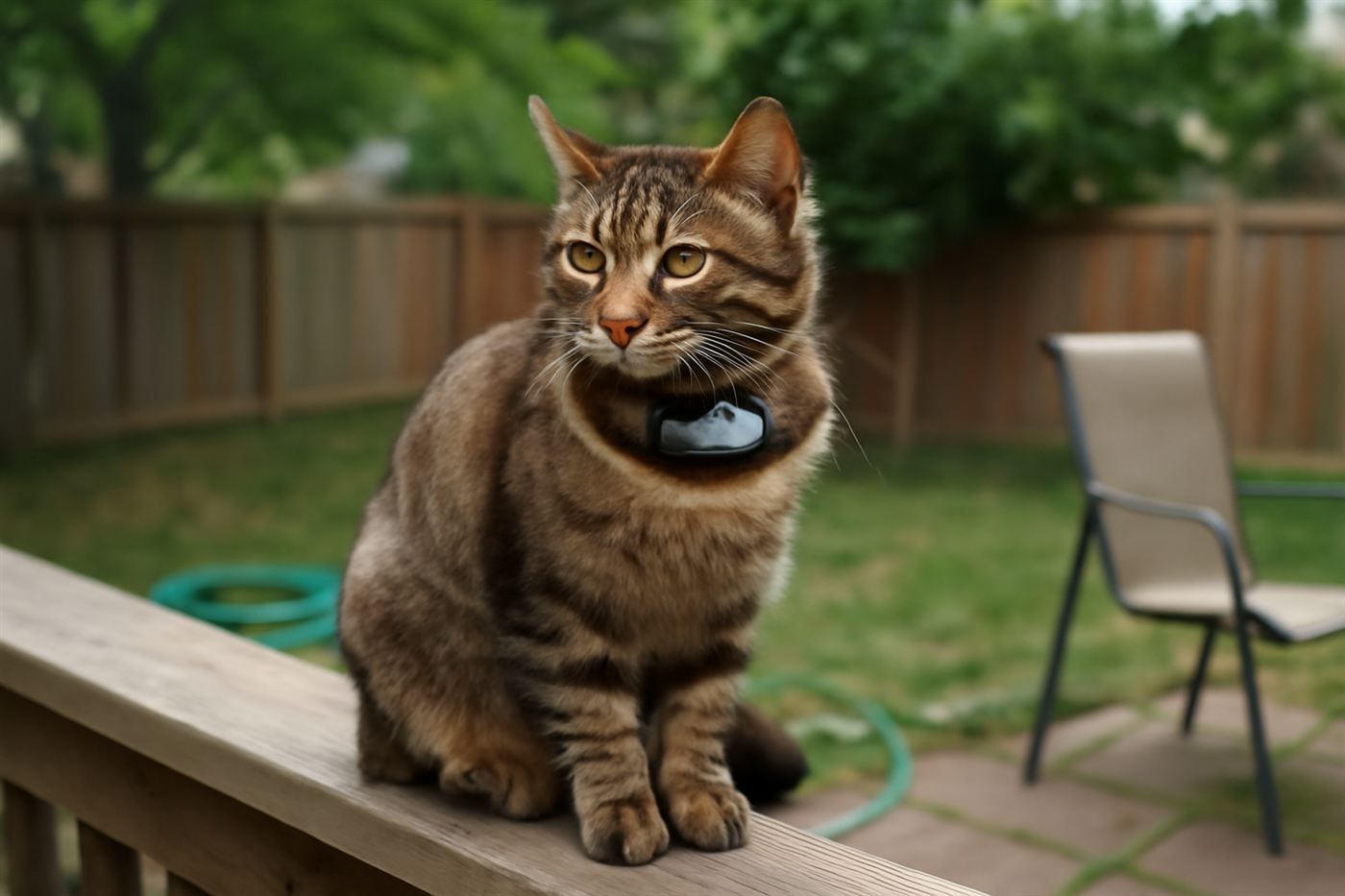
Outdoor cat movement tracking projects have owners attach small GPS collars to their cats, generating real movement data researchers use to study roaming range, habitat use and impact on local wildlife. One cat's data is a curiosity, thousands of cats' data pooled together is genuinely useful ecology research.
Apps that turn daily behavior into research data
Various apps let owners log everyday behavior, eating habits, litter box use, activity level, mood, that feed into large-scale behavior studies once enough owners are contributing consistently. It's a low-effort way for an individual owner to participate, and the value comes from the sheer scale once thousands of cats' logs get pooled together.
DNA test kits feeding breed and health databases
Consumer cat DNA testing kits do double duty, they hand an owner info about breed makeup and health risk markers, and a lot of them also contribute anonymized data back into larger breed and health research databases. Every kit sold is potentially one more data point strengthening research into inherited conditions and breed genetics.
University programs recruiting pet cats instead of lab cats
A growing number of university cognition research programs now recruit regular pet cats for at-home studies instead of relying on cats housed in a lab setting. Owners get simple instructions and materials, run the test with their own cat in a familiar environment, and send back the results.
Cats behave more naturally in a home setting
According to the Petfinnly's research, at-home data tends to reflect more natural cat behavior than lab-collected data does, since a cat in its own space isn't dealing with the stress of an unfamiliar environment on top of whatever the actual test is measuring. Less stress interference means the results are more likely to reflect how a cat actually behaves day to day.
The real advantage is scale
No single lab could ever gather movement, behavior or health data across thousands of cats the way a crowdsourced citizen science project can. Even modest daily participation from a large pool of owners adds up to a dataset a traditional lab study could never replicate on its own budget or timeline.
How an owner can actually get involved
Getting involved is usually as simple as downloading a research app, signing up for a university's at-home study program, or opting in when buying a DNA test kit that shares data with a research database. Most of these programs are designed for zero prior experience, just an owner willing to log a bit of info or let their cat take part in a simple test.
| Citizen science method | What it contributes |
|---|---|
| GPS collar tracking | Roaming range and wildlife impact data |
| Behavior logging apps | Large-scale everyday behavior patterns |
| DNA test kits | Anonymized breed and health genetic data |
| At-home cognition studies | Natural-behavior cognition data without lab stress |
Frequently asked questions
Can I actually help cat research with my own cat?
Yes, plenty of citizen science options exist for regular owners, from behavior logging apps to DNA test kits that contribute to research databases to university at-home cognition studies. Most need no special background at all.
Is at-home cat research data actually reliable?
It's often considered more reflective of natural behavior than lab data, since a cat tested in its own home isn't dealing with the added stress of an unfamiliar environment skewing the results.
How do GPS collars help cat research?
GPS collars let researchers track outdoor cats' movement and roaming range, and when data is pooled across many cats it becomes useful for studying habitat use and impact on local wildlife.
This article is a general overview of citizen science programs and isn't an endorsement of any specific product or study.