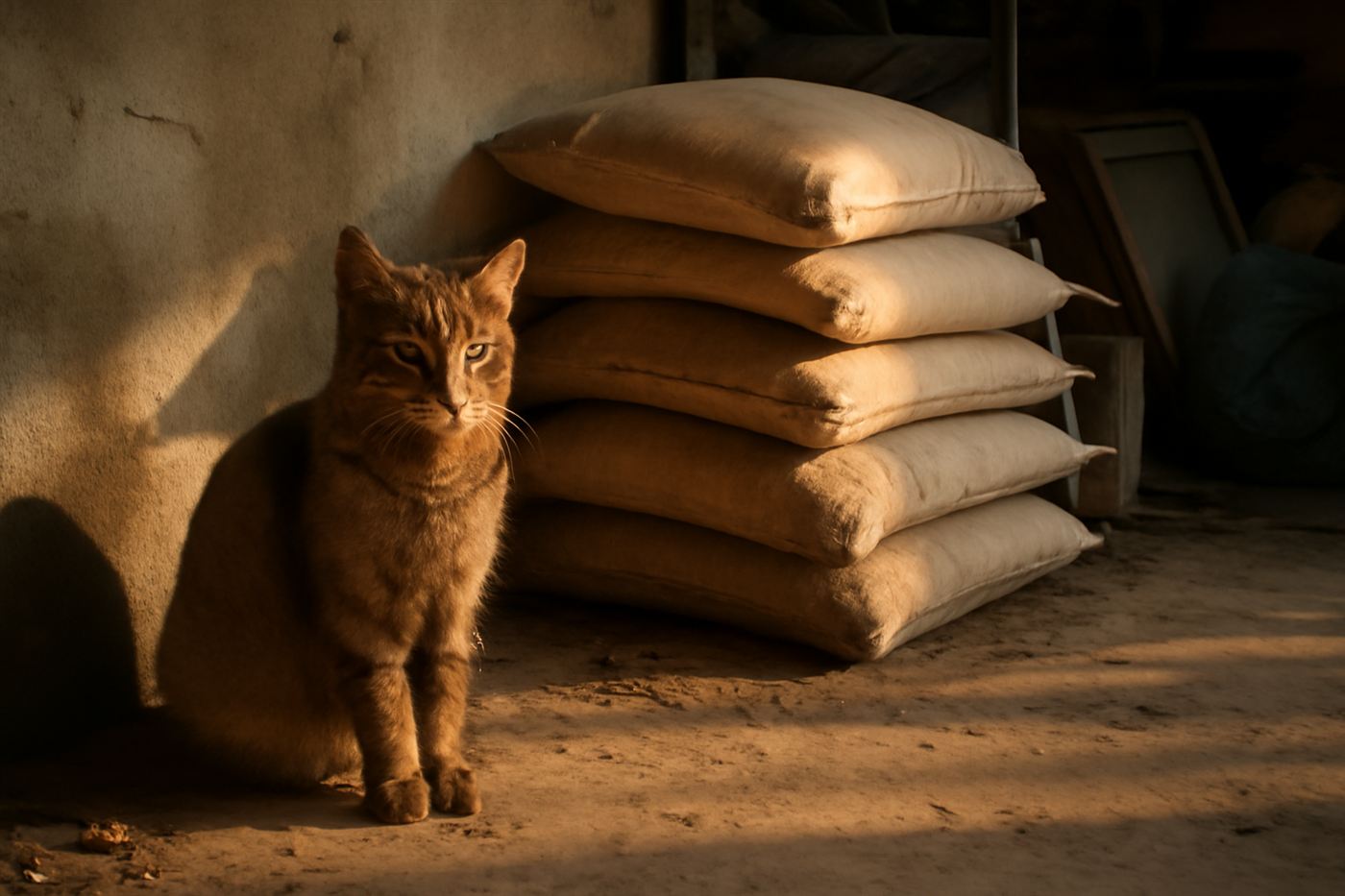
How Many Feral Cats Are Actually Out There, Worldwide
Walk around basically any city, in any country, and you'll eventually spot a cat that isn't anyone's pet. No collar, keeping its distance, clearly getting by on its own. Multiply that by every city and rural area on earth and you get a genuinely enormous number, though nobody can hand you one clean global figure. Here's what's actually known about how many feral cats are out there and how shelters deal with it.
There's no single accurate worldwide number
Nobody's ever done a real global census of feral and community cats, and honestly it's not really possible to. Cats move, colonies form and disband, and counting methods differ wildly by country and even by city. Any global figure you see is really a rough estimate stitched together from smaller regional counts, not an actual headcount.
The US alone runs into the tens of millions
According to the Petfinnly's research, estimates for the community and feral cat population in the United States alone commonly run into the tens of millions, and that's just one country. Scale that pattern up across every country with outdoor cats, which is most of them, and it's easy to see why global estimates get so large and so uncertain at the same time.
Feral cat colonies form around food, not territory instinct
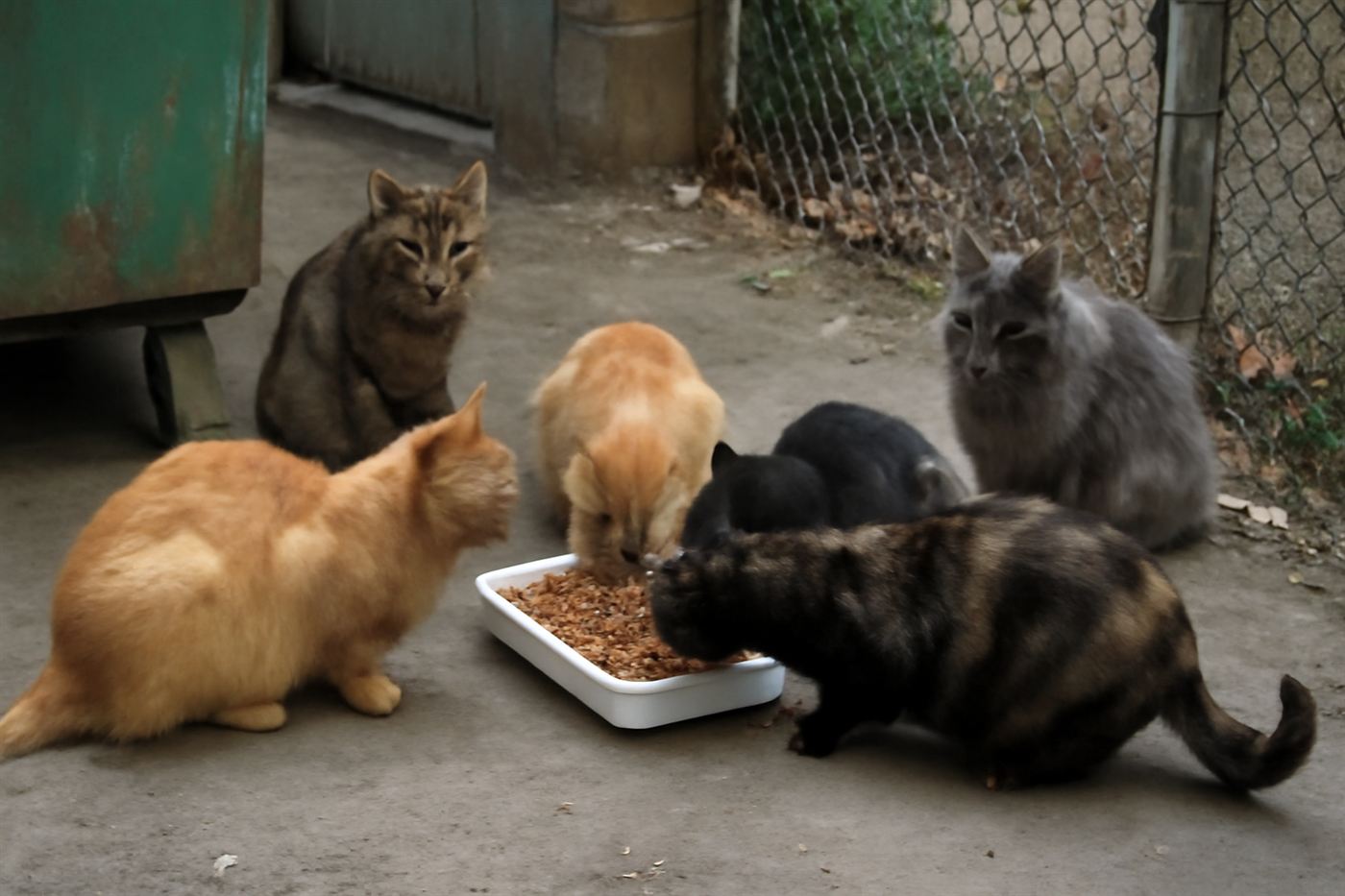
A feral cat colony is basically a group of unowned cats living near a reliable food source, a dumpster behind a restaurant, a person who feeds strays, a farm with easy access to prey. Cats aren't naturally colonial animals in the wild, but a steady food source lets multiple cats tolerate living close together, which is how colonies form and grow over time.
Feral cats and stray cats aren't the same thing
These two terms get used interchangeably a lot, but they mean different things. A feral cat was never socialized to humans, often born outdoors to other unsocialized cats, and is genuinely afraid of people, closer to a wild animal in behavior. A stray cat is a cat that was once someone's pet, either lost or abandoned, and can often be re-socialized and rehomed with patience. That distinction matters a lot for how shelters decide to handle an individual cat.
Trap-Neuter-Return is the main approach now
Trap-Neuter-Return, usually just called TNR, is the standard humane method most shelters and cities use to manage feral cat populations today. Cats get trapped, spayed or neutered, vaccinated and then returned to their original outdoor location instead of being kept or euthanized. Over time, TNR shrinks colony size naturally since the cats can no longer reproduce, without resorting to killing healthy animals.
This is a real shift from older lethal control methods
Before TNR became the norm, a lot of cities and animal control programs handled feral cat overpopulation mainly through trapping and euthanizing, which did little to actually reduce numbers long term since new cats just moved into the same food-rich territory. TNR proved more effective at genuinely shrinking colonies over time, which is a big part of why it became the preferred approach among shelters and municipalities.
How this connects to shelters and adoption today
Feral cats themselves are rarely good adoption candidates since they're not socialized to people, but their kittens often are, especially if caught and socialized young. A lot of shelter kitten intake actually starts as feral colony kittens getting trapped, socialized and put up for adoption, which is one of the more direct links between feral cat management and the adoptable cats you see on a shelter's website.
Quick facts
| Term | What it means |
|---|---|
| Feral cat | Never socialized to humans, generally fearful, often born outdoors |
| Stray cat | A lost or abandoned pet cat, often able to be re-socialized |
| Cat colony | Group of unowned cats living near a shared, reliable food source |
| TNR | Trap-Neuter-Return, the standard humane population management method used today |
Frequently asked questions
How many feral cats are there in the world?
There's no exact global count since nobody's actually counted every region, but estimates for the US alone run into the tens of millions, so the worldwide number is genuinely massive. Any specific global figure you see is an estimate, not a real census.
What's the difference between a feral cat and a stray cat?
A feral cat was never socialized to people and is generally afraid of humans. A stray cat used to be someone's pet, got lost or abandoned, and can often be re-socialized and adopted out with time and patience.
Does Trap-Neuter-Return actually work to reduce feral cat numbers?
Yes, over time. TNR stops colony cats from reproducing, so colony size shrinks gradually as older cats pass on and no new kittens are born into it. It's proven more effective long term than older trap-and-euthanize approaches, which tended to just get repopulated by new cats.
Feral cat numbers are genuinely hard to pin down exactly, but the shift toward TNR is one of the clearer wins in how shelters handle it.