How Smart Are Cats, Actually
Ask ten people if cats are smart and you'll get ten different answers, usually based on whether their cat ever listens to them. The truth is cats are plenty intelligent, just not in ways that show up the same way dog intelligence does. Comparing the two head to head misses a lot of what's actually going on in a cat's brain.
The brain hardware is actually impressive
Cats have somewhere around twice the number of neurons in the cerebral cortex, the part of the brain tied to complex thinking, compared to dogs. According to the Petfinnly's research, that puts a cat's raw cortical processing power well ahead of what most people assume for an animal that spends half its day asleep on a windowsill. More neurons doesn't automatically mean a smarter animal in every sense, but it's a real, measurable difference worth knowing about.
Why comparing cat and dog IQ doesn't really work
Most intelligence tests built for animals rely on the animal wanting to perform a task for a person, follow a command or complete a sequence on cue. Dogs are wired to want that kind of engagement with people. Cats mostly aren't, a cat that "fails" a test might just not care enough to bother, not lack the ability to solve it. That makes cats look less capable in lab settings even when the underlying skill is there.
Cats are sharp at cause and effect
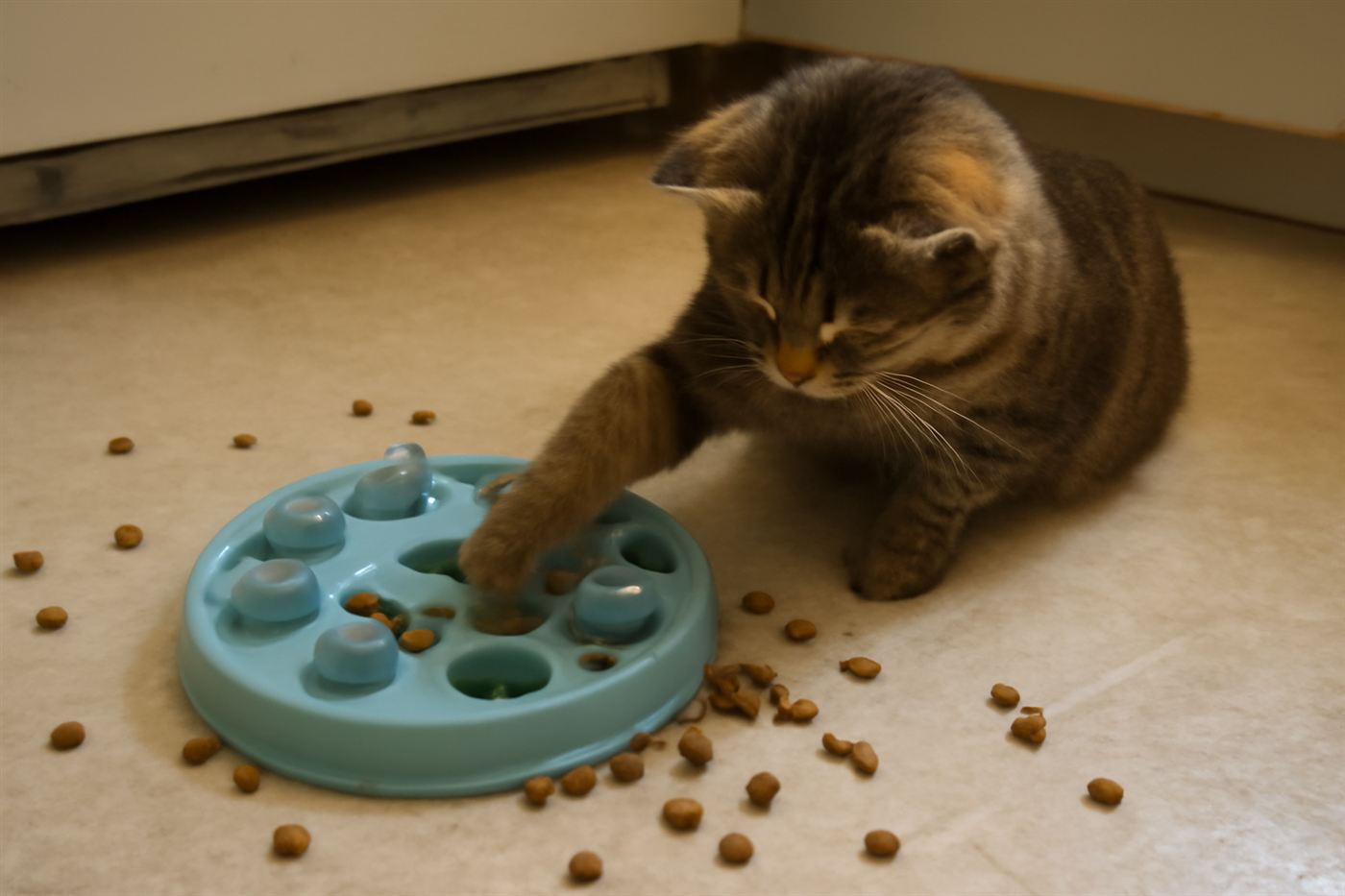
Cats are genuinely good at figuring out how the world works around them. Plenty of cats learn to work door handles, open cabinet latches or associate specific sounds, a can opener, a bag crinkling, a certain alarm, with food showing up. That's real cause-and-effect learning, and it usually only takes a handful of repetitions before the connection sticks.
Reading people is a skill of its own
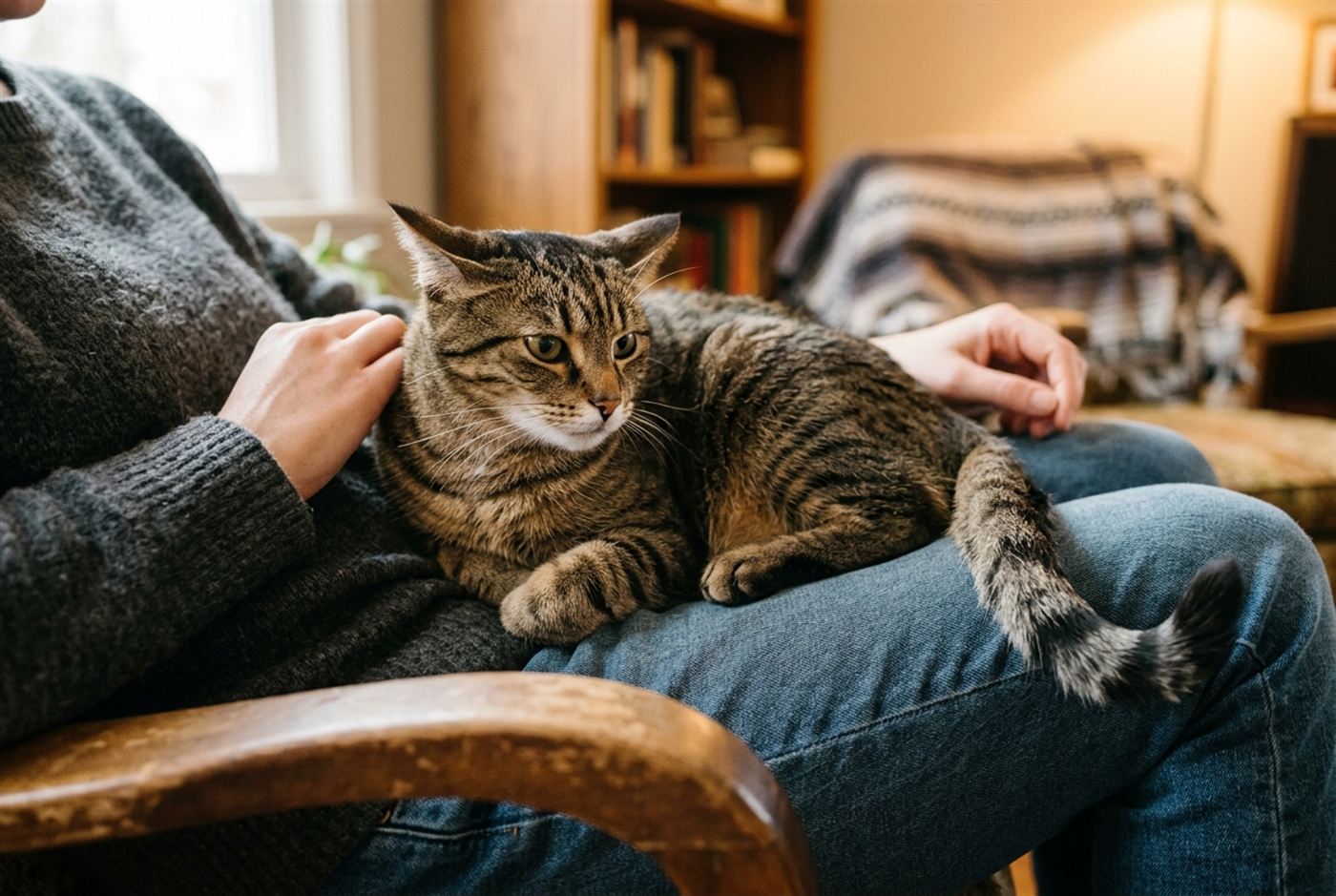
Cats pick up on human tone of voice, body language and daily routines more than people give them credit for. Plenty of cats can tell the difference between an owner's angry voice and a normal one, react to being talked to directly versus overheard conversation and clearly track who in the house is likely to feed them or open a door on request. That's a form of social intelligence dogs get a lot more credit for, even though cats are doing a version of it too.
The real reason cats seem "dumber"
A lot of the "dogs are smarter" idea really comes down to compliance, not capability. Dogs are bred and wired to want to work with people and follow direction, so their intelligence is easy to see and measure. Cats are far more independent by nature, a cat that ignores a command it fully understands isn't confused, it just doesn't see the point. Mistaking a lack of motivation for a lack of ability undersells what's actually happening in a cat's head.
Cats are smart in specific ways
Cat intelligence shows up most clearly in a few areas: spatial awareness for judging jumps and distances, predatory timing and stalking skill and problem solving tied to something the cat actually wants, whether that's food, access to a room or attention. It's a narrower, more self-directed kind of smart than the broad, people-pleasing intelligence dogs are known for, but it's not a lesser one.
Cats vs dogs, quick look
| Cats | Dogs | |
|---|---|---|
| Cerebral cortex neurons | Roughly double a dog's count | Fewer than cats |
| Motivation to perform for people | Low, the task has to matter to the cat | High, bred for it |
| Cause-and-effect learning | Strong | Strong |
| Social reading of humans | Good, less obvious | Good, very visible |
Frequently asked questions
Are cats smarter than dogs?
It's not really a fair comparison. Cats have more cerebral cortex neurons but are far less motivated to perform for people, which makes their intelligence harder to see, not smaller.
Why won't my cat listen to commands if cats are smart?
Usually it understands fine, it just doesn't see enough reason to comply. Cats respond a lot better to reward-based motivation than to commands alone.
Can cats really learn to open doors and cabinets?
Yes, plenty do. It's a straightforward case of cause-and-effect learning, and cats that are motivated enough, usually by food, tend to figure it out fast.
This is general information, not a substitute for advice from your own veterinarian about your specific cat.