Polydactyl Cats: The Genetics Behind Extra Toes
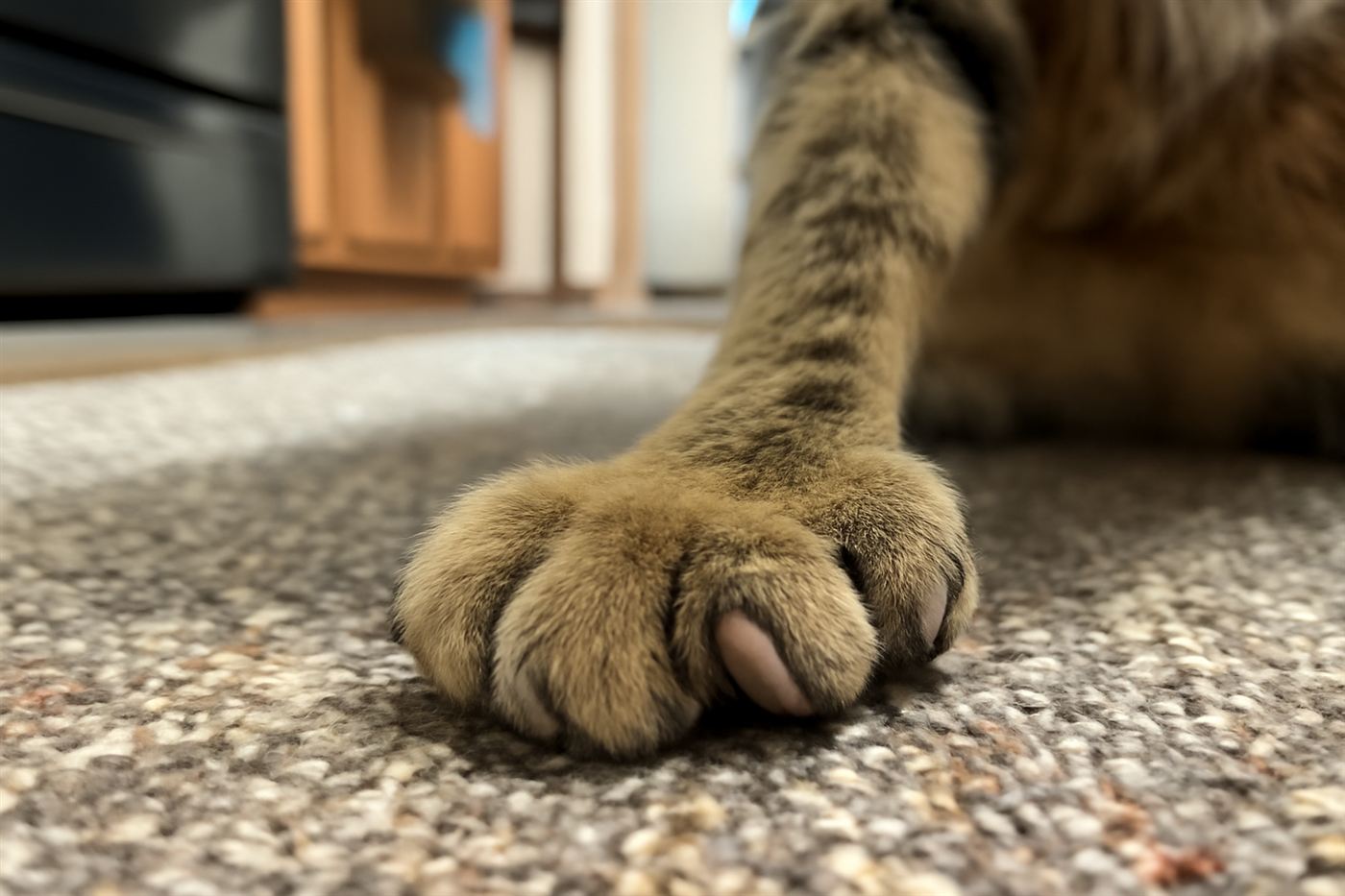
Some cats just look like they're wearing mittens, with extra toes stacked onto paws that already look plenty big. That's polydactyly, and it's one of the more visually obvious genetic quirks you'll see in cats. Here's what's actually going on genetically, and why some places have way more polydactyl cats than others.
Polydactyly comes from a dominant gene mutation
Extra toes in cats come from a dominant mutation affecting limb development early on, before a kitten is even born. Being dominant is the key detail here, it means the trait shows up strongly whenever it's present, unlike recessive traits that can hide for generations.
Just one copy from one parent is enough
Because the mutation is dominant, a kitten only needs to inherit it from one parent to end up polydactyl. If one parent carries the gene, roughly half the litter typically ends up with extra toes, no need for both parents to carry it like you'd see with a recessive trait.
Extra toes show up mostly on the front paws
Polydactyl cats most commonly get extra toes on their front paws, sometimes giving them a thumb-like extra digit that looks almost like a mitten. Back paw polydactyly happens too but it's less common, and some cats end up with extra toes on all four paws.
Where the "Hemingway cat" nickname comes from
Ernest Hemingway kept polydactyl cats at his Key West home, and descendants of those original cats still live on the property today. The nickname stuck hard enough that a lot of people now call any polydactyl cat a "Hemingway cat," even ones with no connection to Key West at all.
Is it actually a health problem?
Generally, no. Polydactyl cats live completely normal lives and the extra toes don't usually cause pain or mobility issues. The main practical thing to watch is that those extra toes, especially the thumb-like ones, tend to curl differently and can grow overgrown or ingrown nails if they're not checked regularly.
Nail care needs a little extra attention
Because the extra toe often doesn't touch the ground the same way the normal toes do, its nail doesn't wear down naturally from walking and scratching. According to the Petfinnly's research, owners of polydactyl cats need to check those extra nails more often than a standard cat's, since overgrown nails on that toe can curl around and grow into the paw pad if ignored.
Why New England and parts of the UK have more of them
Polydactyl cats show up at noticeably higher rates in New England and parts of the UK and Wales, and that's tied to history rather than climate or coincidence. Ship cats were commonly kept on vessels crossing the Atlantic, and polydactyl cats were sometimes favored by sailors who believed the extra toes made for better balance and ratting ability aboard a rocking ship. Wherever those ships regularly docked, the trait got passed down locally and stuck around in the local cat population for generations.
Quick facts at a glance
| Fact | Detail |
|---|---|
| Inheritance | Dominant mutation, one copy from one parent is enough |
| Most common location | Front paws |
| Nickname | Hemingway cat, from cats at his Key West home |
| Health impact | Generally none, extra nail care needed |
| Historic hotspots | New England, UK and Wales (ship cat routes) |
Frequently asked questions
Do polydactyl cats have any special health problems?
Not usually, they live totally normal lives. The one thing worth watching is the nails on the extra toes, since they don't wear down naturally and can get overgrown or ingrown if you don't check them regularly.
Are polydactyl cats a specific breed?
No, polydactyly is a trait that can show up in any breed or mixed breed cat, it's not tied to one specific breed. Maine Coons are known for it more than most, but it pops up across all kinds of cats.
How many toes can a polydactyl cat have?
Most have six or seven toes on the affected paw instead of the usual five in front or four in back, though some cats have been recorded with even more. The exact count varies cat to cat and even paw to paw on the same cat.
This is general information, not a substitute for advice from a vet or a veterinary geneticist about your specific cat.