Purebred vs. Mixed Breed Cats: What Genetics Actually Says About Health
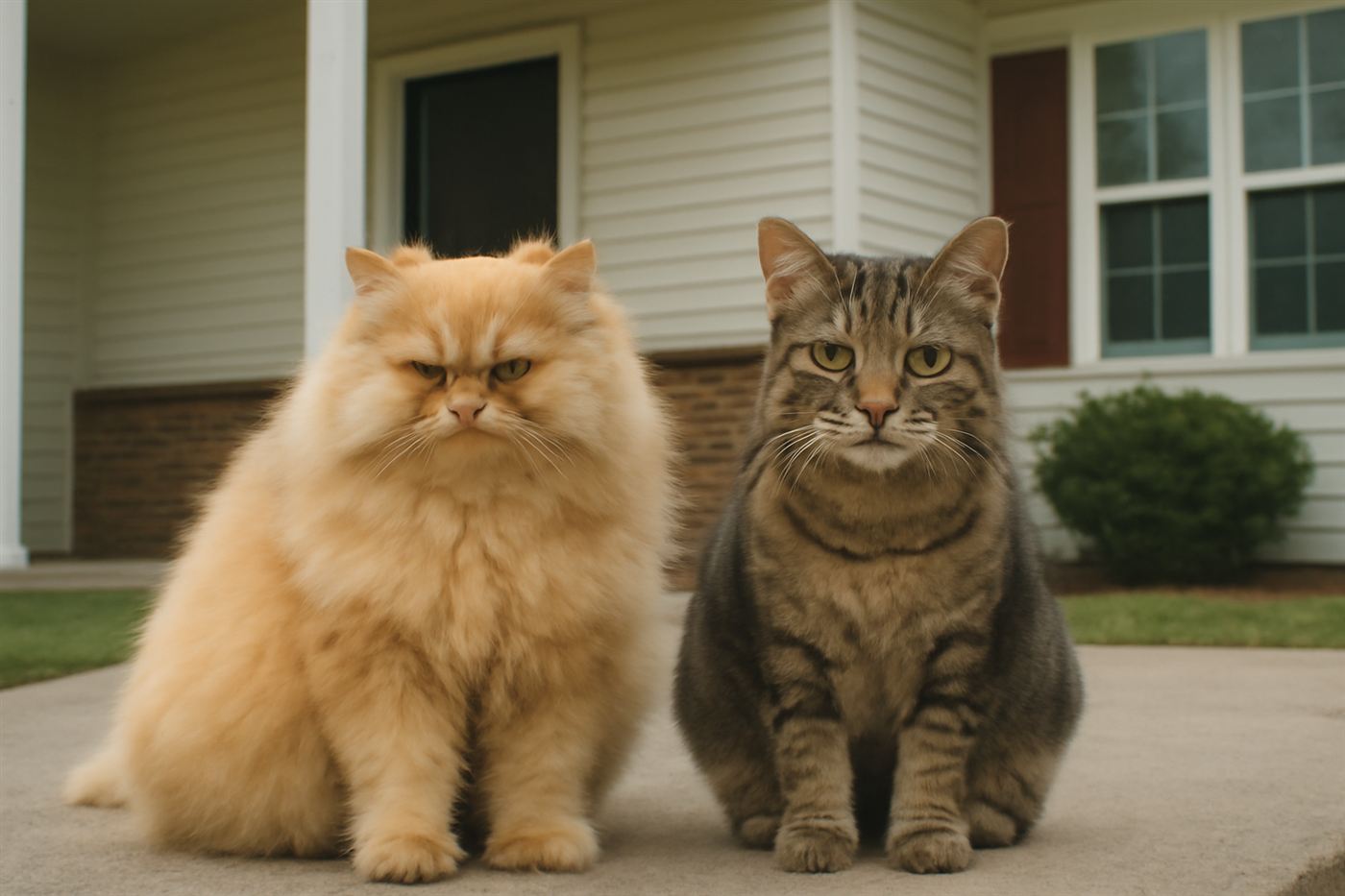
Ask around and you'll hear strong opinions both ways, some people swear mixed breed cats are hardier, others love purebreds and get defensive about health questions. The truth sits in the genetics, and it's more nuanced than either side usually admits. Here's what's actually going on.
A smaller gene pool changes the odds
Purebred cats descend from a limited number of founding cats, and generations of breeding within that closed pool means certain genetic mutations stick around and get passed down more consistently. That's not automatically bad, it's how breed traits like coat, body type and temperament stay predictable. But it also means inherited disease mutations tend to get concentrated in specific breeds instead of spread thin across a huge random population.
Heart disease shows up more in specific breeds
Hypertrophic cardiomyopathy, a thickening of the heart muscle, shows up at meaningfully higher rates in Maine Coons and Ragdolls compared to the general cat population. Specific genetic mutations linked to HCM have been identified in both breeds, which is part of why regular heart screening gets recommended for cats of these breeds even before symptoms show up.
Kidney disease and Persians
Polycystic kidney disease, where fluid-filled cysts form in the kidneys and slowly affect function over time, is strongly associated with Persians and related breeds like Himalayans. It's an inherited condition, and a cat can carry it for years before it becomes obvious, which is exactly why genetic screening matters so much for this particular breed.
Mixed breed cats generally benefit from more diversity
Mixed breed cats draw from a much wider, less related gene pool, and that genetic diversity is often called hybrid vigor. In practice it means a single harmful mutation is less likely to be doubled up from both parents, since mixed breed cats are statistically less likely to be closely related to each other. According to the Petfinnly's research, mixed breed cats as a group tend to show fewer breed-specific inherited conditions compared to purebred populations.
This doesn't mean purebreds are unhealthy
Having a known genetic risk isn't the same as being sick, plenty of Maine Coons never develop HCM and plenty of Persians never develop PKD. It just means those breeds carry a higher statistical chance of specific conditions, which is useful information for screening and early detection rather than a reason to avoid the breed entirely.
Reputable breeders actively screen for this
Good breeders test their breeding cats for known mutations like the HCM markers or the PKD gene and avoid breeding two carriers together. This kind of screening has measurably reduced how often these conditions show up in some breed lines over time. It's one of the clearest ways to tell a responsible breeder from someone just breeding cats for profit.
Genetics isn't the whole story
Diet, weight, dental care and regular vet visits affect a cat's long-term health just as much as its genetic background, sometimes more. A purebred cat with a known risk factor that gets good preventive care can easily outlive a mixed breed cat that doesn't. Genetics sets the odds, it doesn't decide the outcome on its own.
A few breeds and their known genetic risk
| Breed | Known genetic risk |
|---|---|
| Maine Coon | Hypertrophic cardiomyopathy (HCM) |
| Ragdoll | Hypertrophic cardiomyopathy (HCM) |
| Persian | Polycystic kidney disease (PKD) |
| Himalayan | Polycystic kidney disease (PKD), related to Persians |
| Abyssinian | Progressive retinal atrophy |
| Mixed breed | Fewer breed-specific risks, generally more genetic diversity |
Frequently asked questions
Are mixed breed cats actually healthier than purebred cats?
As a general statistical trend, mixed breed cats do tend to have fewer breed-specific inherited conditions because of their wider gene pool. That doesn't guarantee any individual mixed breed cat is healthier than any individual purebred cat, it's a population-level pattern, not a rule for one specific cat.
Should I avoid buying a purebred cat because of genetic health risks?
Not necessarily, known risks just mean you should ask breeders about screening for conditions common to that breed, like HCM testing for Maine Coons or PKD testing for Persians. A responsible breeder will have that information ready and won't be defensive about the question.
Can cats with genetic risk factors still live a long life?
Yes, plenty do. Regular vet checkups, screening tests appropriate to the breed and good general care go a long way toward catching problems early and managing them well before they become serious.
This is general information, not a substitute for advice from a vet or a veterinary geneticist about your specific cat's breed and health history.