Rabies in Cats: Why the Vaccine Is Legally Required and What Exposure Actually Means
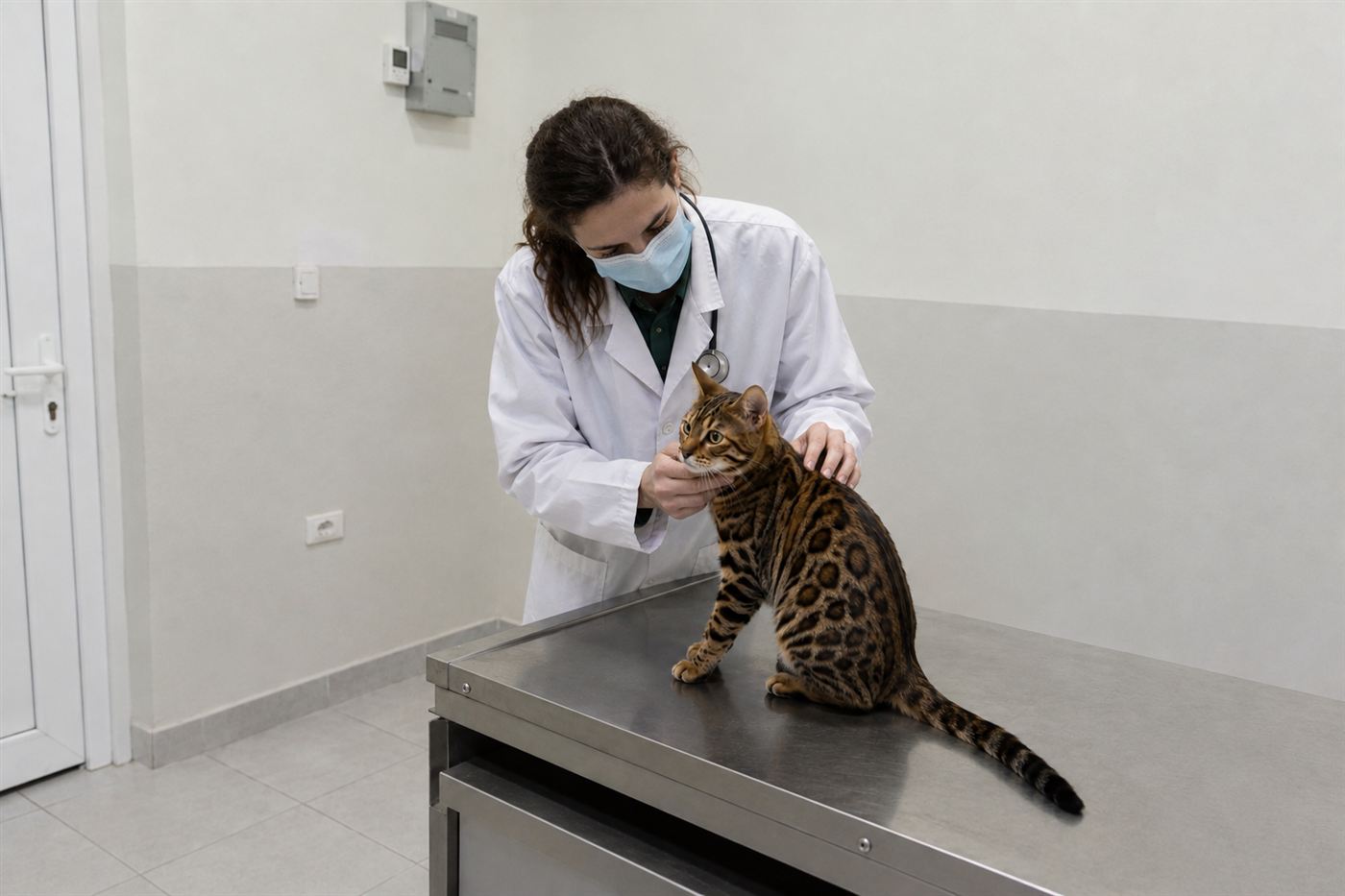
Getting your cat a rabies shot isn't optional in most places, and that's not just bureaucratic red tape. Cats have quietly become the pet most often diagnosed with rabies in the US, ahead of dogs even, and it comes down almost entirely to vaccination habits, not anything special about cats themselves.
Why cats outnumber dogs in rabies cases
It's not that cats are more biologically prone to it. According to the Petfinnly's research, there were 222 rabid cats reported in the US in 2023, and 216 rabid cats compared to just 36 rabid dogs in 2021. That gap comes down straight to vaccination compliance. Dog rabies vaccination gets enforced harder and owners actually follow through more, while cats, especially ones with any outdoor access, are more likely to go unvaccinated and run into rabid wildlife like bats, raccoons or skunks.
How rabies actually spreads
Rabies is a virus that travels through nerve tissue up to the brain. It spreads almost entirely through the saliva of an infected animal, usually a bite. It's basically always fatal once symptoms show up, in any mammal, which is why prevention matters so much more here than treatment compared to most other cat diseases on this site.
What symptoms actually look like
Early signs are subtle and easy to miss: behavior changes, sudden aggression or sudden clinginess, a normally chill cat acting off. As it progresses you get either the "furious" form (aggression, disorientation, jumpy at everything) or the "dumb" form (progressive paralysis, drooling, trouble swallowing), sometimes a mix of both, before the animal dies.
Why the vaccine is legally required in most places
Most US states and a lot of countries legally require rabies vaccination for cats past a certain age, usually around three to four months old. That's because rabies is one of the few animal diseases that reliably kills people too. It's not like most vaccine rules on this site that are just about the cat's own health, it's a public health law, because an unvaccinated pet population creates a real bridge between wildlife rabies and humans.
What the vaccine actually costs
A rabies shot runs somewhere around $15 to $30 at a low-cost clinic, up to $50 or so at a full-service vet. Compare that to post-exposure treatment for a person, which can run into the thousands, and it's about the cheapest insurance policy there is.
What actually raises a cat's risk
Any outdoor access is the big one, since that's where contact with rabid wildlife happens. Unneutered male cats that roam and fight more also show up disproportionately in case counts. An indoor-only cat with no wildlife exposure carries the lowest risk, but low isn't zero.
What actually happens if your cat is exposed
Rules vary by state, but the pattern's consistent: a currently vaccinated cat exposed to a confirmed or suspected rabid animal usually just needs a booster and a set observation period at home. An unvaccinated cat facing the same exposure is looking at something way worse, often a long, strict quarantine, because there's no way to know if infection's taken hold until symptoms show, and by then it's too late. That gap alone is a solid reason to keep the vaccine current even on a cat that basically never goes outside.
If a person is bitten or scratched by any cat, vaccinated or not
Any bite from a cat whose vaccine and rabies status you don't know should get reported to a doctor and your local health department right away. Human treatment after exposure works great, but it has to start before symptoms show up, not after. A quick phone call costs you nothing and the alternative is serious.
Frequently asked questions
My cat never goes outside, does she actually need a rabies shot?
In most places, yes, both because it's the law and because bats get into houses through tiny gaps, chimneys, cracked windows. Indoor cats also slip outside more than owners think, so "never goes outside" isn't the same as zero risk.
How often does my cat actually need a rabies booster?
Depends on the vaccine product and your local law, usually an initial shot then boosters every one to three years. Follow your vet's schedule, it's built to be both effective and legally compliant where you live.
Can a vaccinated cat still get rabies?
It's extremely rare but not zero. Vaccination works really well, which is exactly why a vaccinated cat gets a much lighter protocol, just a booster and observation, after a known exposure, instead of the long quarantine an unvaccinated cat would face for the same thing.
This article is for general information and isn't a substitute for advice from your own veterinarian or local public health authority. Any potential rabies exposure in a person or pet should be reported promptly.