The Cat Genome Project: What Scientists Have Actually Learned
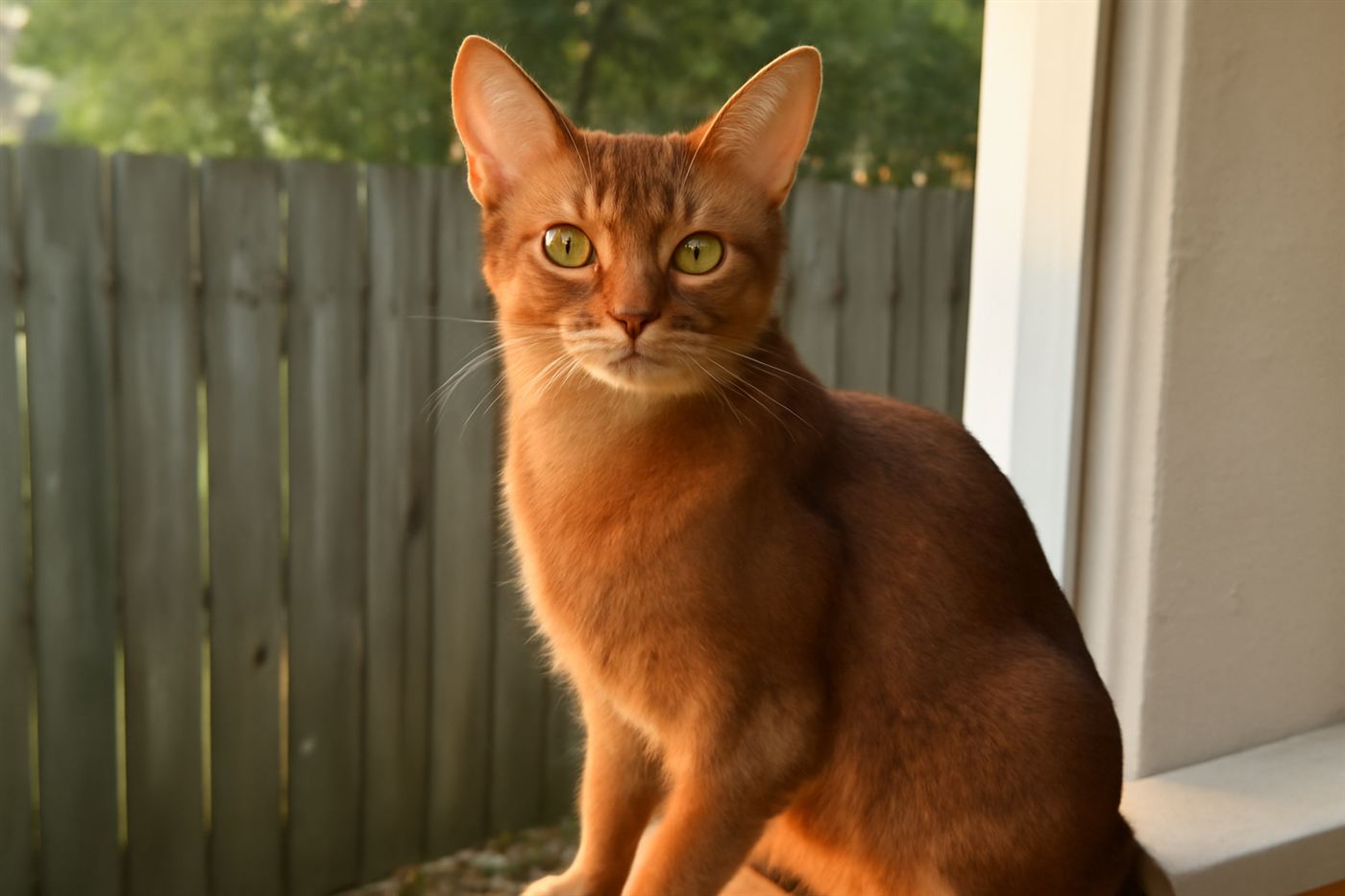
Somewhere out there is a cat named Cinnamon whose DNA became the reference genome that a huge chunk of feline genetics research is built on. An Abyssinian, picked for the job partly because Abyssinians carry fewer of the genetic quirks that make sequencing messier. Mapping the domestic cat genome sounds abstract, but it's quietly changed how we understand cat health, history and traits.
Meet Cinnamon, the reference genome cat
Cinnamon the Abyssinian became one of the most important reference points in feline genetics, her DNA sequenced and used as the baseline that later cat genome research gets compared against. Having one well-mapped reference genome gives scientists a common starting point instead of everyone working from scratch.
Comparing house cats to tigers and lions
Lining up domestic cat DNA against tigers, lions and other wild cat species shows just how recently domestic cats split off and how much of their wild genetic wiring stuck around. According to the Petfinnly's research, that comparison is part of what shows domestic cats stayed genetically closer to their wild relatives than most domesticated animals, since people mostly let cats keep doing their own thing rather than breeding them hard toward new traits the way dogs were.
Domesticated way more recently than dogs
Genome comparisons also make clear that cat domestication happened a lot more recently than dog domestication, and in a fundamentally different way. Dogs were actively bred by humans for specific working roles over a long stretch of time. Cats mostly domesticated themselves by sticking around grain stores and hunting rodents, with humans just kind of letting it happen.
Finding the mutations behind genetic diseases
Having a full genome map makes it possible to pinpoint the exact mutations behind specific inherited diseases in cats, the kind of genetic testing that can now flag conditions like certain heart or kidney diseases before symptoms even show up. That's a direct, practical payoff from all the mapping work, not just an academic exercise.
Tracing how cats spread out of the Near East
Genetic data has also helped trace the migration path domestic cats took as they spread out from the Near East, following trade routes and human settlement outward across the world. It's basically a family tree written in DNA instead of old records, filling in history that written sources never captured.
Digging into the genetics of coat patterns
Coat pattern genetics, tabby stripes, solid colors, the various patterns you see across breeds, has been another major thread of ongoing research, pinning down which genes control which visual traits. It's a relatively approachable place to start since coat pattern differences are visible and easy to correlate with specific genes.
Behavior traits are the harder frontier
Behavior genetics is a tougher nut to crack than coat color, since temperament and behavior come from a tangle of genetics and environment together rather than one clean gene-to-trait link. Research is ongoing into which genetic factors nudge things like sociability or activity level, but it's a slower, messier area than physical traits.
| Topic | What genome research has shown |
|---|---|
| Reference genome | Sequenced from Cinnamon, an Abyssinian |
| Vs. wild cats | Domestic cats stayed genetically close to wild ancestors |
| Vs. dogs | Domesticated far more recently and differently |
| Disease testing | Pinpoints mutations behind inherited conditions |
| Migration history | Traces spread from the Near East outward |
Frequently asked questions
Has the domestic cat genome actually been fully sequenced?
Yes, the domestic cat genome has been sequenced, with a cat named Cinnamon, an Abyssinian, serving as one of the key reference genomes the field builds on.
Does cat genome research help with cat health testing?
Yes, mapping the genome has made it possible to identify specific mutations behind inherited diseases, which is the basis for a lot of the genetic health testing available for cats today.
Are cats less genetically changed by domestication than dogs?
Genome comparisons suggest yes, domestic cats stayed closer to their wild ancestors than dogs did, largely because cats were domesticated more recently and less deliberately, mostly by sticking around humans rather than being bred for specific jobs.
This article is a general overview of genetics research and isn't a substitute for guidance from your own veterinarian on genetic testing for a specific cat.