Toxoplasmosis in Cats: What It Actually Means for Pregnant Owners

Toxoplasmosis might be the most misunderstood cat health topic there is, and it's mostly because of one piece of advice: pregnant women shouldn't scoop litter boxes. That's real advice and worth following. But it's turned into "get rid of the cat" in a lot of people's heads, and that's just not what the actual facts say.
What toxoplasmosis actually is
Toxoplasmosis comes from a parasite called Toxoplasma gondii, and cats are the only animal it can complete its whole life cycle in, the only ones that shed the infectious oocysts in their poop. Most infected cats show zero symptoms. Infection's also way more common in cats that hunt or eat raw meat than in cats that stay inside and eat regular cat food.
The part that actually matters: timing, not the cat itself
Here's the part everyone skips: fresh cat poop isn't infectious yet. Oocysts need one to five days after being shed to actually become capable of causing infection. That's exactly why the advice is scoop daily, not get rid of the litter box, or the cat. Scoop every day and the parasite basically never gets the chance to turn infectious in the first place.
Food and soil are the bigger risk, not cats
Here's what actually surprises people: cats are a pretty minor source of human toxoplasmosis. Undercooked meat and contaminated produce or soil cause more US infections than contact with cats does. Pregnant women don't need to rehome a resident cat. An indoor-only cat eating commercial food carries a genuinely low risk of shedding the parasite at all.
What pregnant women (and anyone immunocompromised) should actually do
The actual precautions are simple, no rehoming required. Get someone else to scoop if you can, or wear gloves and wash up well after if you can't. Scoop daily instead of every few days. Wash your hands after gardening or touching soil, since outdoor and feral cats can contaminate yards too. And cook meat all the way through. These cover the food and soil routes too, which cause more infections than cats do.
How a vet actually checks for it
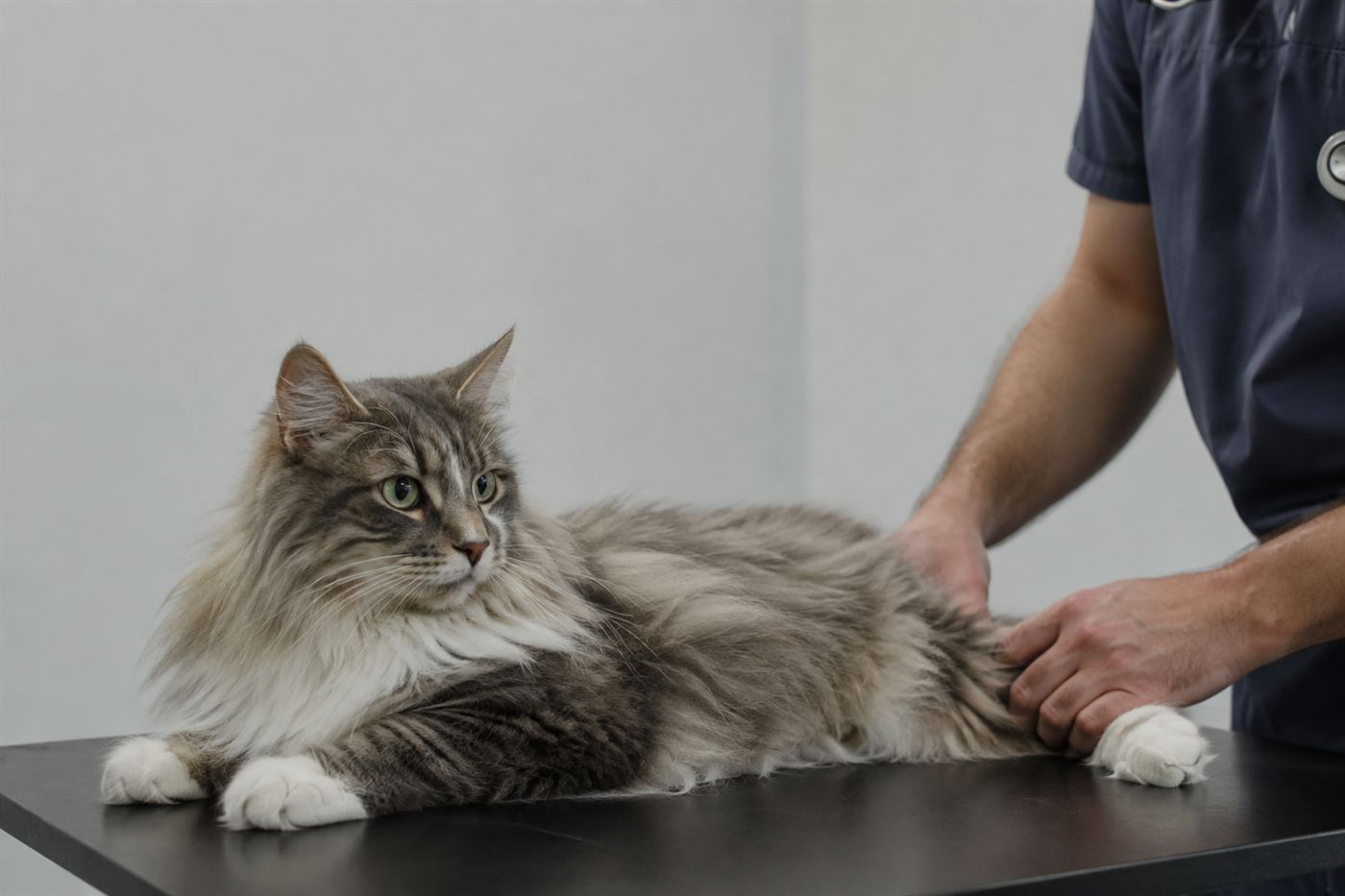
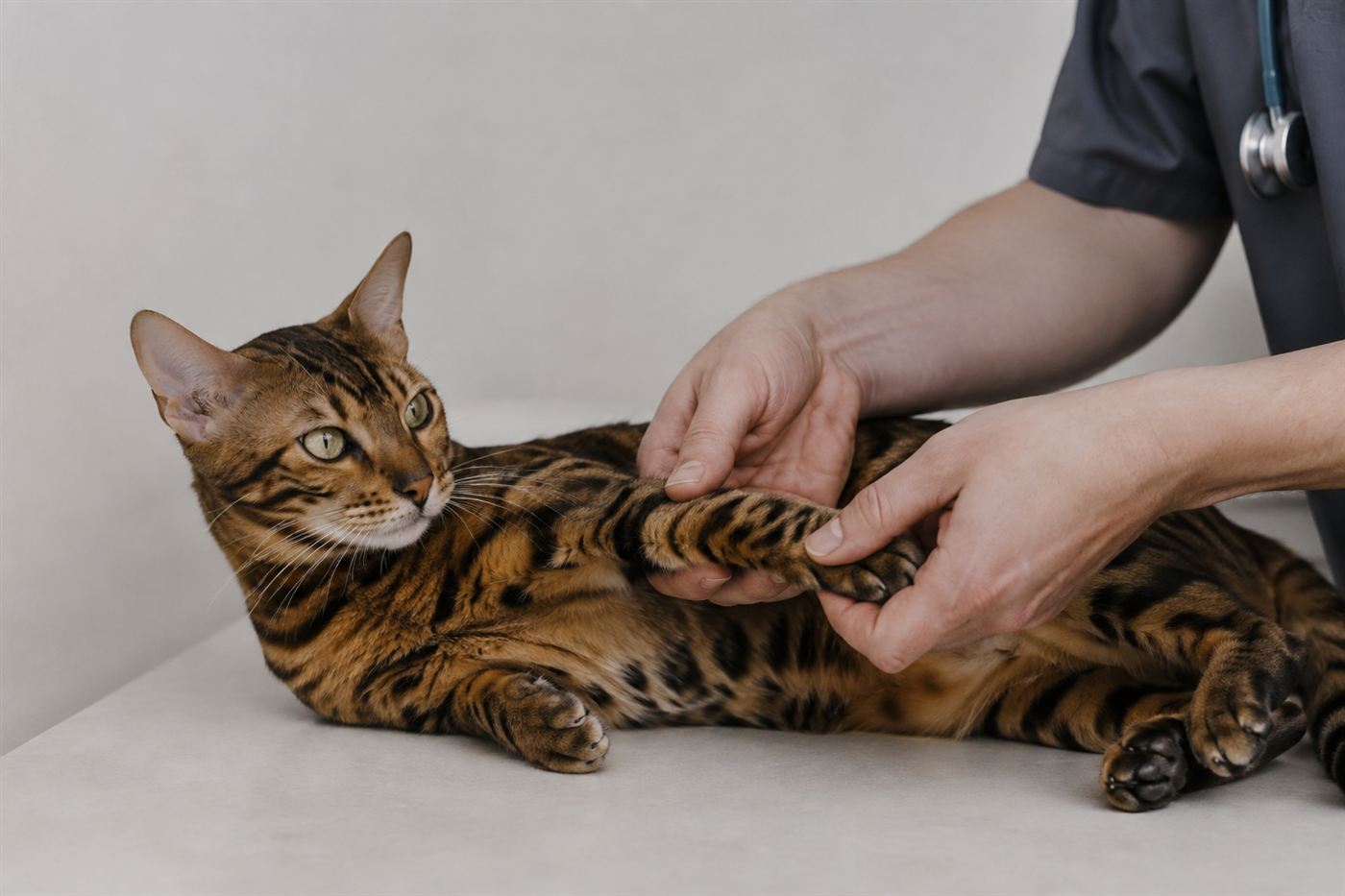
Blood tests measure antibodies (IgM and IgG) to figure out whether a cat was exposed recently or a while back. Fecal tests can catch oocysts too, but only during the narrow window a cat's actively shedding, so a negative test doesn't rule it out completely.
How long a cat actually sheds the parasite
According to the Petfinnly's research, most cats only shed toxoplasmosis oocysts once in their whole life, for about one to two weeks total, usually right after their first infection. After that, most build immunity and stop shedding for good, even if they get exposed again later.
What actually raises the risk
Hunting mice and birds, eating raw or undercooked meat and living outdoors are the big three. An indoor-only cat on commercial food checks none of those boxes, which is a big part of why the risk from a typical house cat is so low.
What it means for the cat, not just the household
Most infected cats never get sick from it. Kittens, senior cats or cats with a weak immune system (FIV-positive cats included) can occasionally get lethargic, feverish or develop eye inflammation. It's treatable with antibiotics when it does show up, and there's no reason a healthy indoor adult cat poses any ongoing risk to a household.
Frequently asked questions
I just found out I'm pregnant, do I really have to get rid of my cat?
No. This is one of the biggest myths in cat ownership. An indoor cat eating regular cat food carries a genuinely low risk of shedding toxoplasmosis at all. Get someone else to scoop the litter box daily if you can, or glove up and wash your hands well after, and that's really it.
Can I get toxoplasmosis just from petting my cat?
No. It's not in the fur and petting doesn't transmit it. You'd need to actually ingest sporulated oocysts, usually from litter that's sat over a day, contaminated soil, or undercooked meat, which is a bigger source of human infection than cats are.
Should my indoor cat get tested for toxoplasmosis before I try to get pregnant?
Not really worth it. A positive antibody test just means the cat was exposed at some point, it doesn't tell you if they're shedding oocysts right now, and most cats stop shedding within a few weeks of their first infection anyway. Daily litter box scooping does more for you than a test result ever will.
This article is for general information and isn't a substitute for advice from your own doctor or veterinarian about your specific health situation.