Why Cats Can Turn Around in Midair: The Anatomy of the Righting Reflex
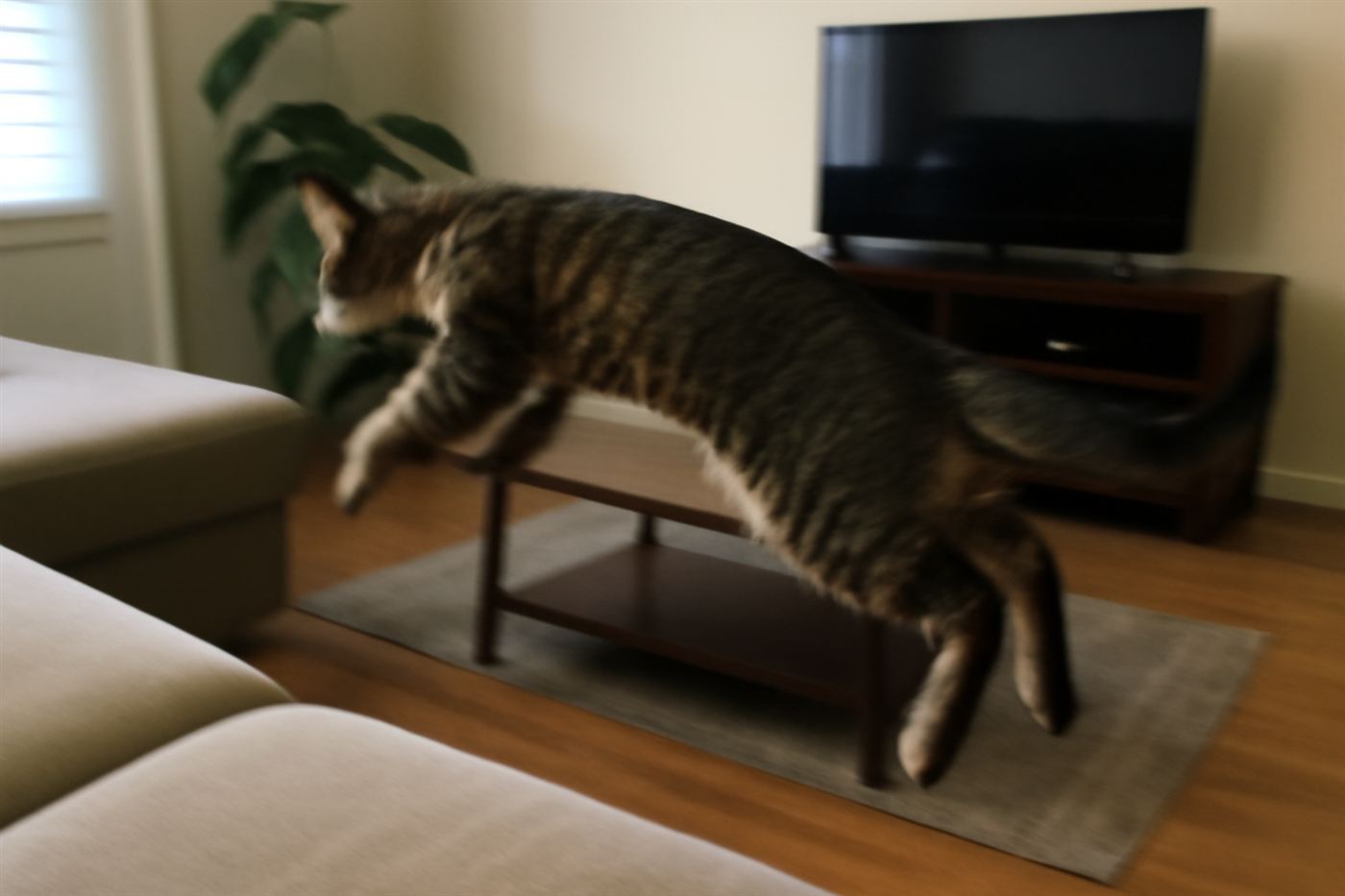
Drop a cat from a mid-air stumble and by the time it hits the ground, it's almost always facing down, feet ready. That's not luck and it's not magic, it's a specific, fast reflex built out of inner ear balance and an extremely flexible spine. It kicks in automatically, no thinking involved, and it develops early in a kitten's life.
What the righting reflex actually is
The righting reflex is the automatic sequence a falling cat's body runs through to rotate itself feet-down before landing. It doesn't require the cat to see the ground or think through what's happening, it's a built-in reflex triggered the instant the cat senses it's falling and off balance. The whole sequence can happen in a fraction of a second, well before a person watching could even react.
The inner ear starts the whole thing
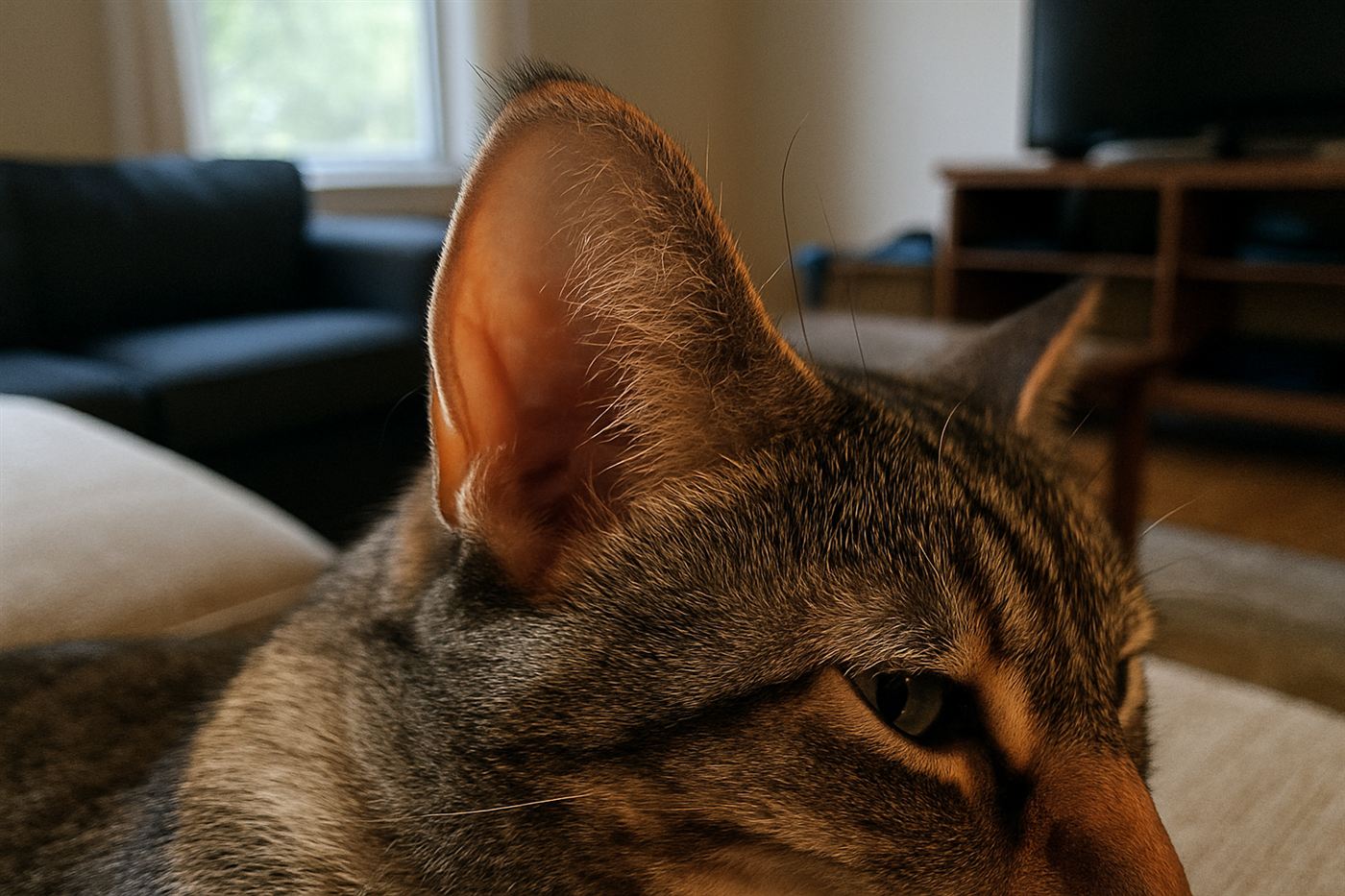
It starts in the vestibular system, the balance organ tucked inside the inner ear. Tiny fluid-filled canals sense which way is up and how the body's oriented in space, even with the eyes closed or the cat mid-tumble. That signal tells the brain the body isn't upright, which triggers the rest of the righting sequence instantly.
A spine built to twist independently
According to the Petfinnly's research, cats have around 30 vertebrae in their spine compared to a human's 24, along with a lot more flexibility in how those vertebrae move against each other. That extra range lets a cat twist its front half around to face down while its back half is still turning, essentially rotating the body in two stages instead of one rigid block. Try that with a human spine and it just doesn't bend that way.
No rigid collarbone in the way
A cat's collarbone is a small, free-floating bone embedded in muscle instead of a rigid joint connected to the shoulder the way ours is. That means the shoulders can rotate and the whole body can narrow while falling, letting the front half twist further and faster than a human shoulder ever could. Combined with the flexible spine, it's what makes the full mid-air rotation possible in such a short drop.
How the actual flip happens
The head turns first to level the eyes and inner ear with the horizon, then the front half of the body twists to follow, then the back half catches up. The legs extend and the back arches slightly right before landing to help absorb the impact, spreading the fall's force out through all four legs instead of taking it in one spot. All of it happens automatically, no conscious aiming involved.
When kittens develop this reflex
Kittens aren't born with the righting reflex ready to go, it comes in gradually starting around 3 to 4 weeks old. By roughly 6 to 7 weeks, most kittens have a fully developed reflex, which lines up with when their balance, coordination and muscle control are generally catching up. A very young kitten falling from even a small height doesn't have the same built-in protection an adult cat does.
The "cats always land on their feet" myth
Mostly true, not a guarantee. The righting reflex genuinely does rotate a falling cat feet-down in the vast majority of falls, but it needs a little bit of distance and time to complete the sequence. A short fall, like off a low shelf, doesn't always give the body enough time to fully rotate, and landing angle, surface and the cat's own health all affect the outcome too.
High-rise syndrome is a real risk
Falls from open windows and balconies, often called high-rise syndrome, can cause serious injuries even though the righting reflex is working exactly as designed. Broken legs, a fractured jaw and chest injuries are common, and interestingly, cats falling from very high floors sometimes fare a bit better than mid-range falls since more distance gives the body time to fully relax and spread the landing force before impact. Any fall from height is still an emergency vet visit, not something to just watch and wait out.
What the righting reflex actually needs
| Body part | Role in the righting reflex |
|---|---|
| Vestibular system (inner ear) | Senses orientation and triggers the reflex |
| Flexible spine | Lets the front and back halves twist separately |
| Floating collarbone | Allows the shoulders and body to rotate and narrow |
| Legs and arched back | Absorb impact and spread out the landing force |
Frequently asked questions
Do all cats always land on their feet?
Not always. The righting reflex works well in most falls but it needs some distance and time to complete, so very short falls and awkward landings can still go wrong.
At what age do kittens develop the righting reflex?
It starts showing up around 3 to 4 weeks old and is generally fully developed by 6 to 7 weeks, roughly matching when a kitten's balance and coordination catch up.
Can a short fall still hurt a cat?
Yes. A short drop doesn't always leave enough time for the body to fully rotate, and even fully rotated landings from height can cause real injuries like broken legs or a fractured jaw.
This is general information, not a substitute for advice from your own veterinarian about your specific cat.