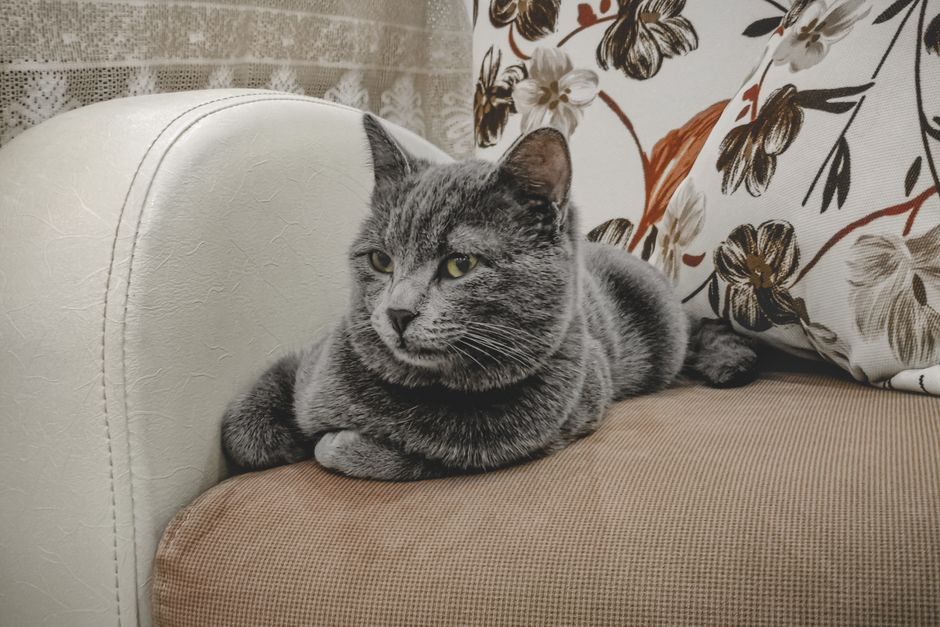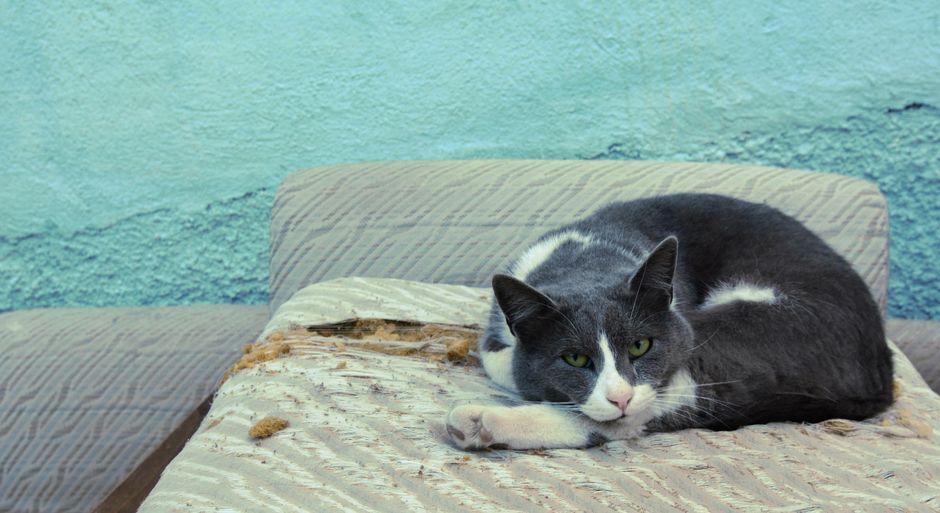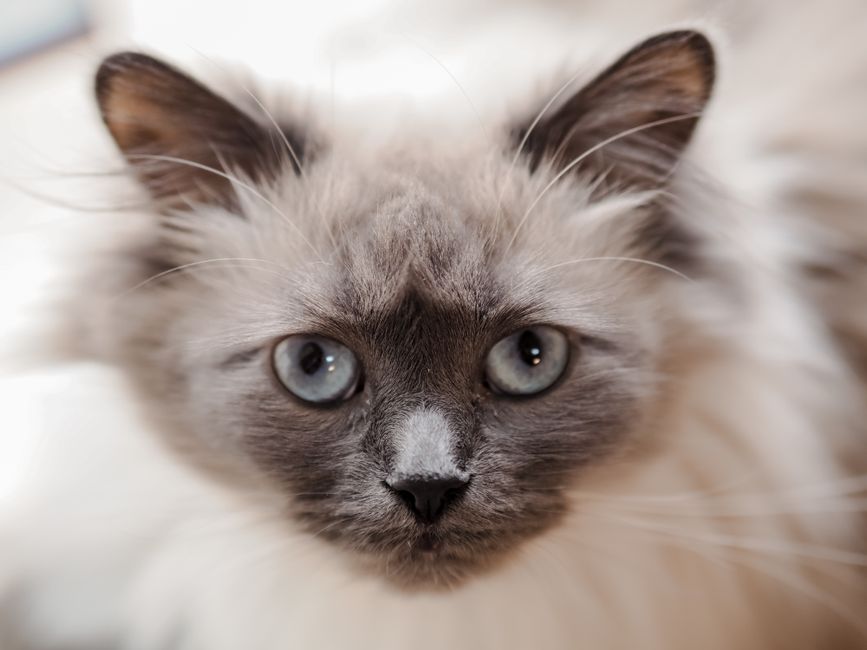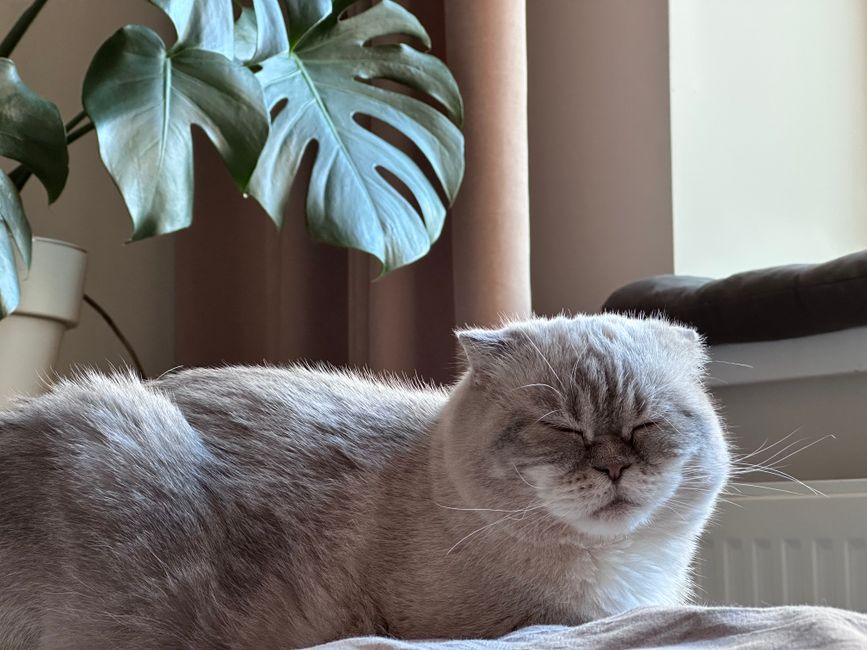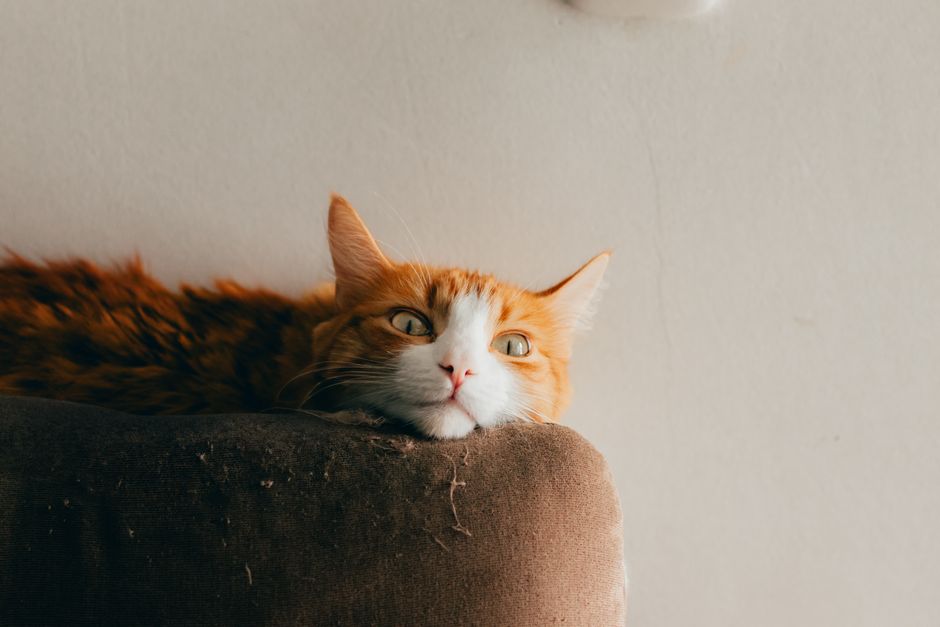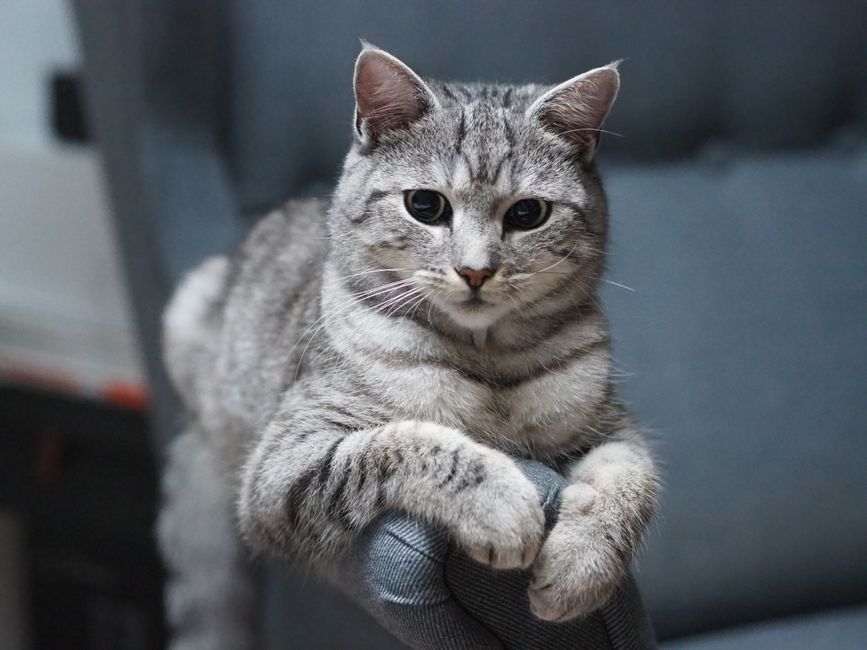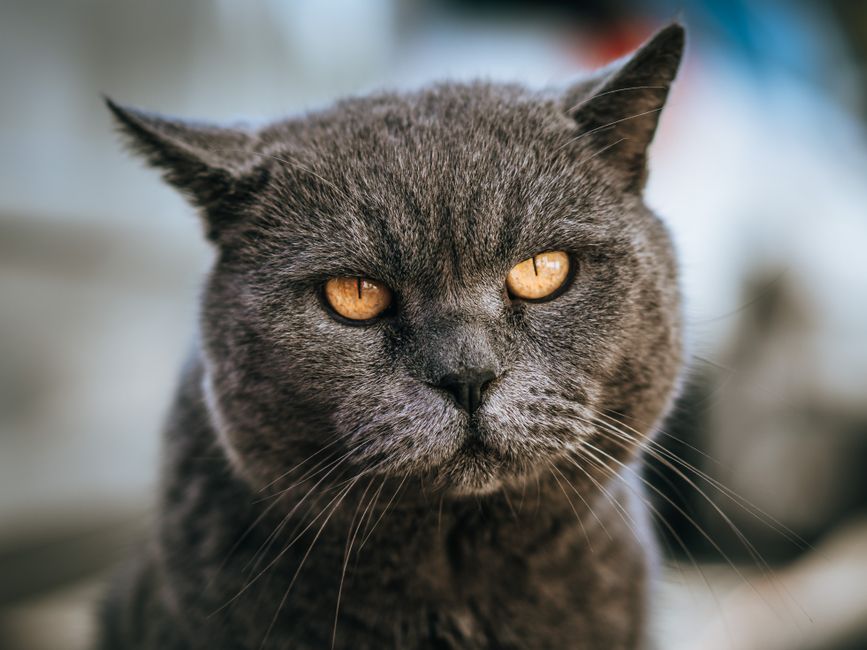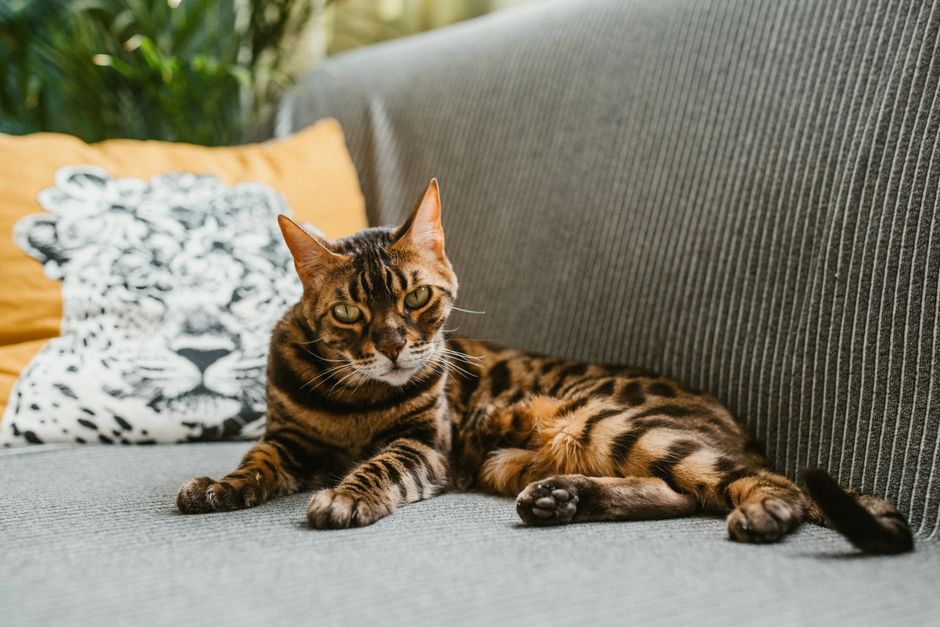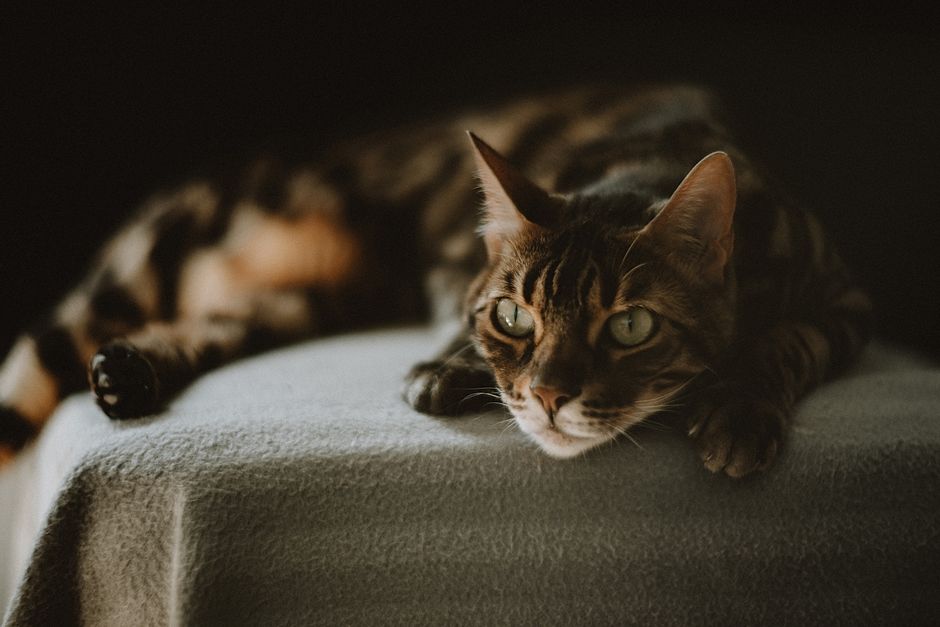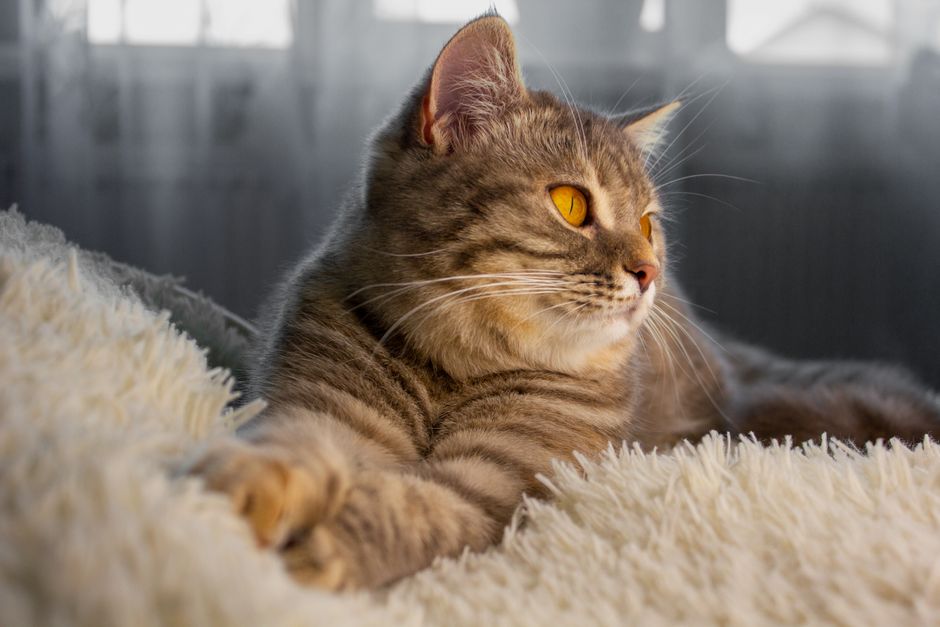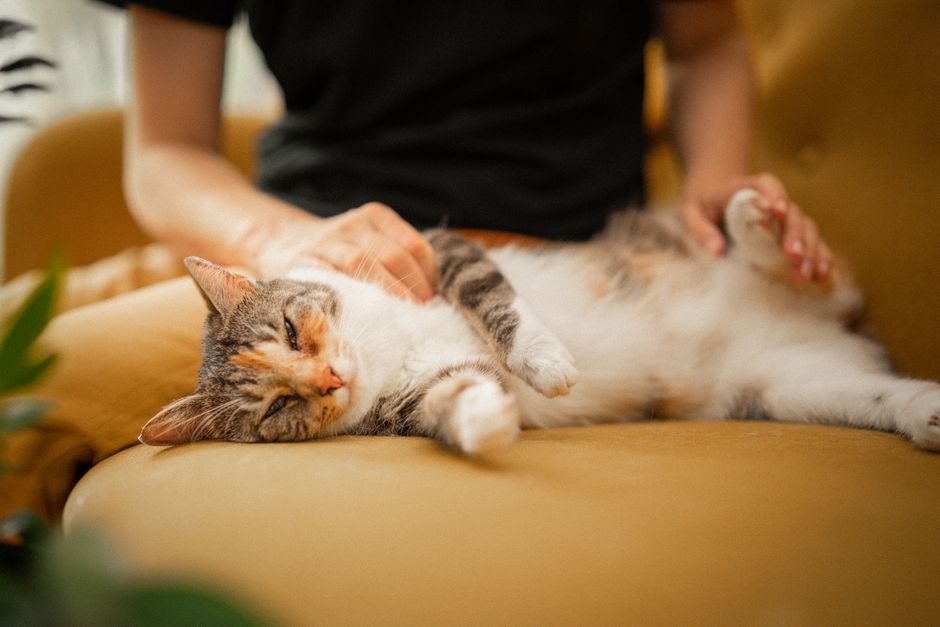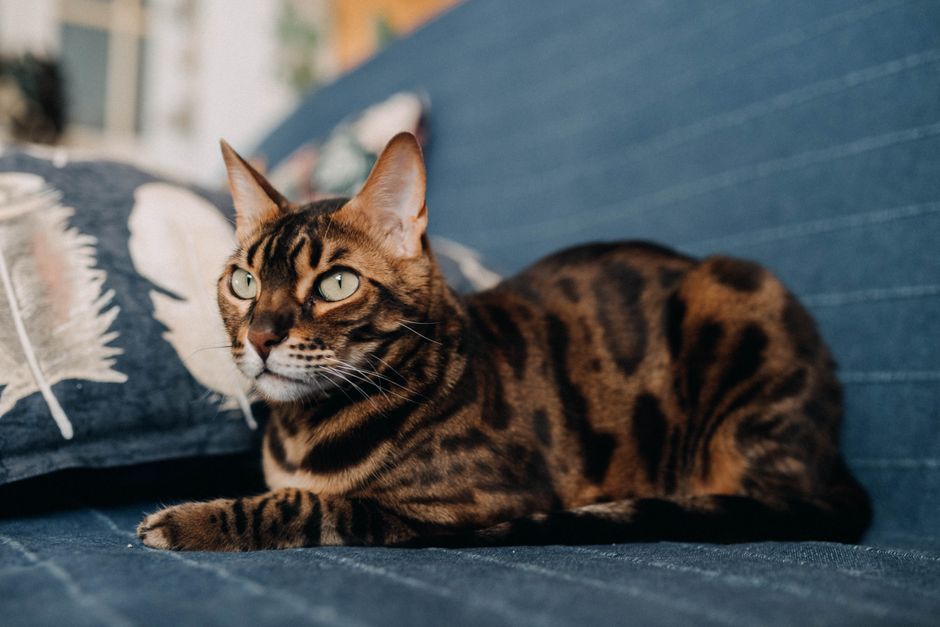
Social Cat Breeds That Love to Join the Action
Learn how Ragdolls, Maine Coons, Siamese, and Burmese cats enjoy being close to their owners and watching everyday life unfold.
Care guides, breed spotlights, and advice for cat and kitten owners, written by real people. Meet our writers
Learn how Ragdolls, Maine Coons, Siamese, and Burmese cats enjoy being close to their owners and watching everyday life unfold.
Gary and Shaggy, two cats with Marfan syndrome, were the first pets confirmed with the rare disorder. Their case highlights genetic testing and potential for better veterinary diagnostics.
A cat named Leo is dressed in handmade Pokémon costumes by his owner Ruby, who shares tutorials and shares the fun on Instagram as Pokémon Baddies.
Cinnamon is an officially recognized Ragdoll color, distinct from chocolate. TikTok star Bubba showcases the warm brown shade and keeps the breed’s signature blue eyes.
A kitten named Fig became obsessed with Netflix’s *Sealook* because its moving seals and color palette appeal to cats’ vision, which favors motion and blues/yellows.
Find out what vets recommend for safe, balanced cat food, why raw diets need caution, and how to choose the right brand for your cat’s life stage.
An owner reports that her cat Annie mimicked another cat’s meow, and that she also copied the unique calls of two other cats. The article notes cats have flexible vocal abilities but science has not proven intentional mimicry.
Three rescue stories from September 2026: a mother cat and seven kittens saved from a tree, a microchip-guided reunion in Brooklyn, and two Tonkinese cats ready for bonded adoption.
Cats inspect new items to learn about changes in their territory, using scent and movement. New objects offer mental stimulation, but owners should keep hazards away.
October 16th is National Feral Cat Awareness Day, part of a month focused on feral and community cats. The article explains what feral cats are, how trap-neuter-return works, and why the month promotes learning and support for these cats.
A dog lover who lost his dog begins feeding a backyard cat and its kittens, keeping the new responsibility private from his dog-centric circle.
A cat and rabbit, Smudge and Missy, form a friendly bond, face separation, and reunite, showing how animals can build lasting companionship.