Deaf Rescue Cat Finds New Home and Love
A deaf five-year-old cat named Mochi was adopted from Animal Haven, prefers boxes, enjoys toys, and celebrated his birthday with cake. The video of his adjustment has over 96,000 likes.
Care guides, breed spotlights, and advice for cat and kitten owners, written by real people. Meet our writers
A deaf five-year-old cat named Mochi was adopted from Animal Haven, prefers boxes, enjoys toys, and celebrated his birthday with cake. The video of his adjustment has over 96,000 likes.
Herby, a cat with facial nerve paralysis and cerebellar hypoplasia, became a permanent family member after a week as a foster, with simple accommodations helping him thrive.
Lapis the cat survived a 10-story fall, received intensive care, was voted Patient of the Month, and is now home with ongoing follow-up and a family fundraiser.
A tiny spotted cat in Bolivia has been officially named Leopardus tilcayo, the first new feline species described in over a century, after genetic studies revealed five distinct tiger-cat species.
A cat slipped its paw under a door while Alyssa Chang painted a baseboard, repeatedly touching fresh paint. The clip has over 163,000 likes and showcases the cat as the star.
Cats may act oddly for many reasons. Learn when behaviors are normal, how catnip and environment affect them, and when to seek veterinary care.
Bionic Basil’s Blog shares a midweek update: 20 °C weather, a pink dahlia, weed growth, a lush lawn, and a new plush snack lounge at BBHQ.
A four-year-old tuxedo cat named Sir Purr struggled with a non-healing wound, but with treatment and a tiny turtleneck, he’s now healthy and ready for a new home.
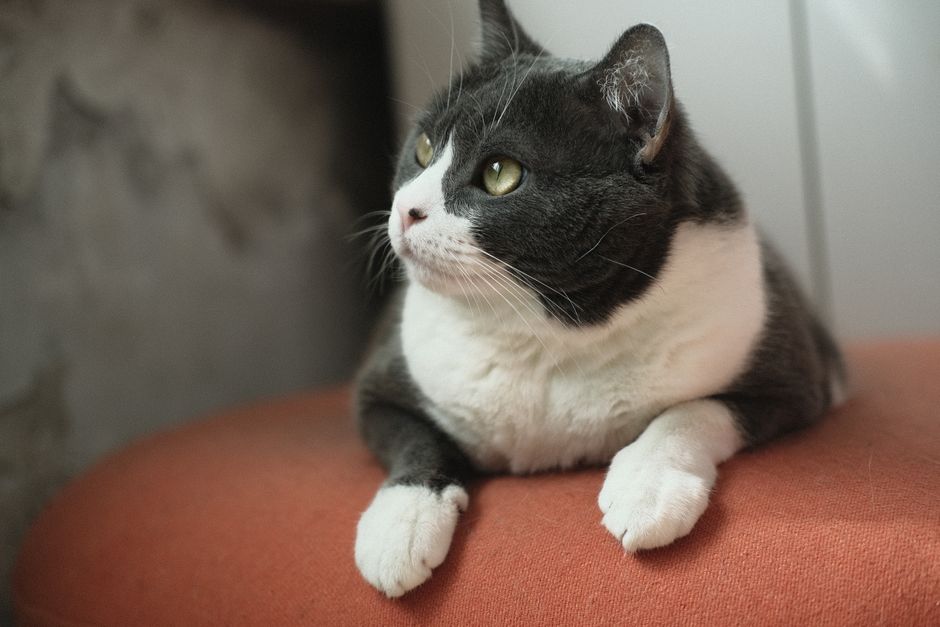
Tuxedo cats are a coat pattern seen on many breeds. Classic black with white chest, belly and paws; other colors are possible. White spots come from genetics, not sex. Personality varies like any cat.
A 2-week-old kitten named Misty struggles to roll back onto her feet, a normal part of early development. Healthy kittens weigh 280-310 g and need constant care until they can run and climb by six weeks.
A Doberman named Diesel raised a kitten, Wasabi, who learned dog habits and helped the dog overcome his fear of cats. The story shows how positive interactions can change attitudes between species.
Certain cat breeds like Ragdoll, Birman, Burmese, Siamese, and Korat are noted for forming close bonds with a single human, with loyalty expressed through following, play, and companionship.