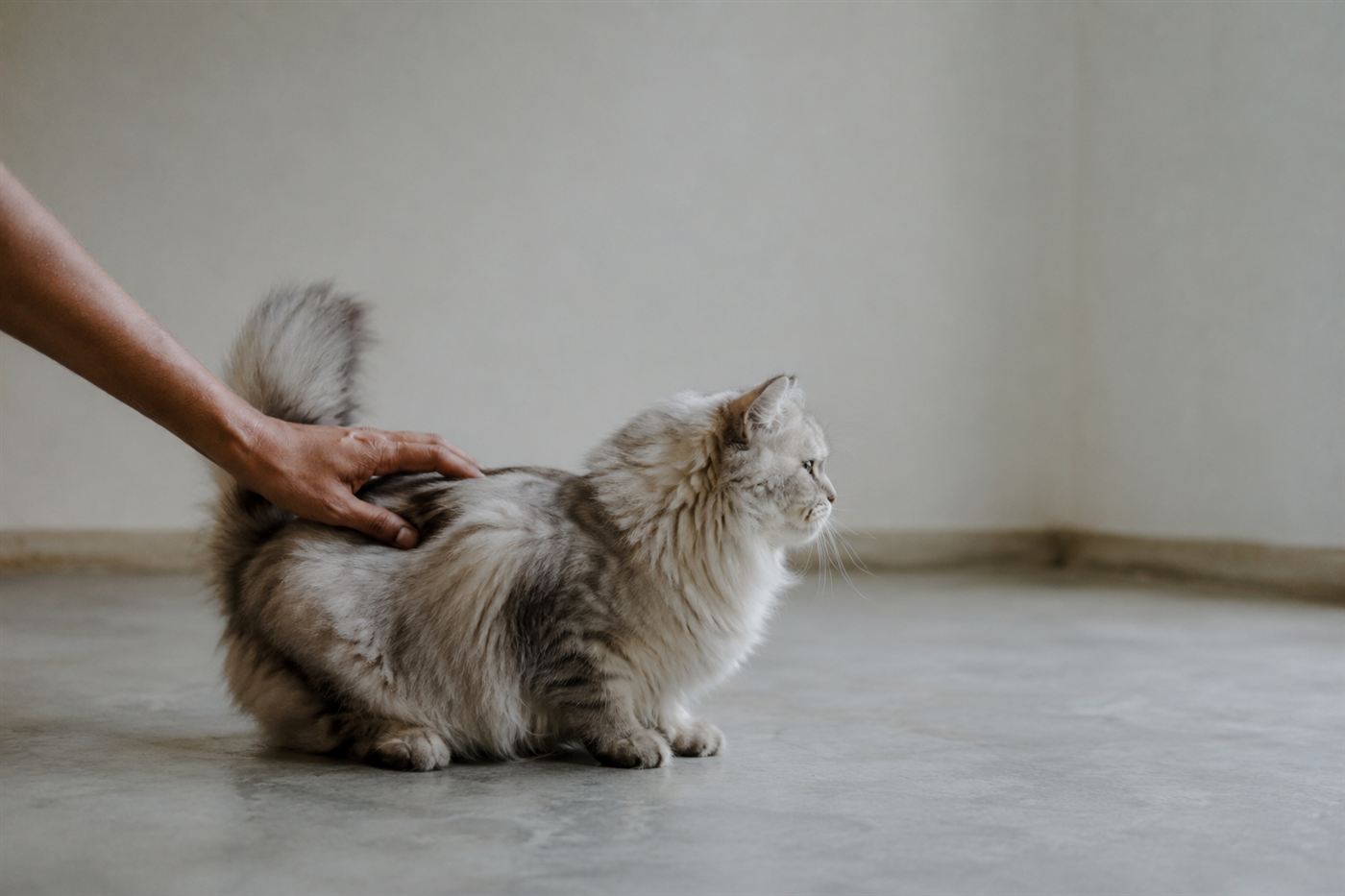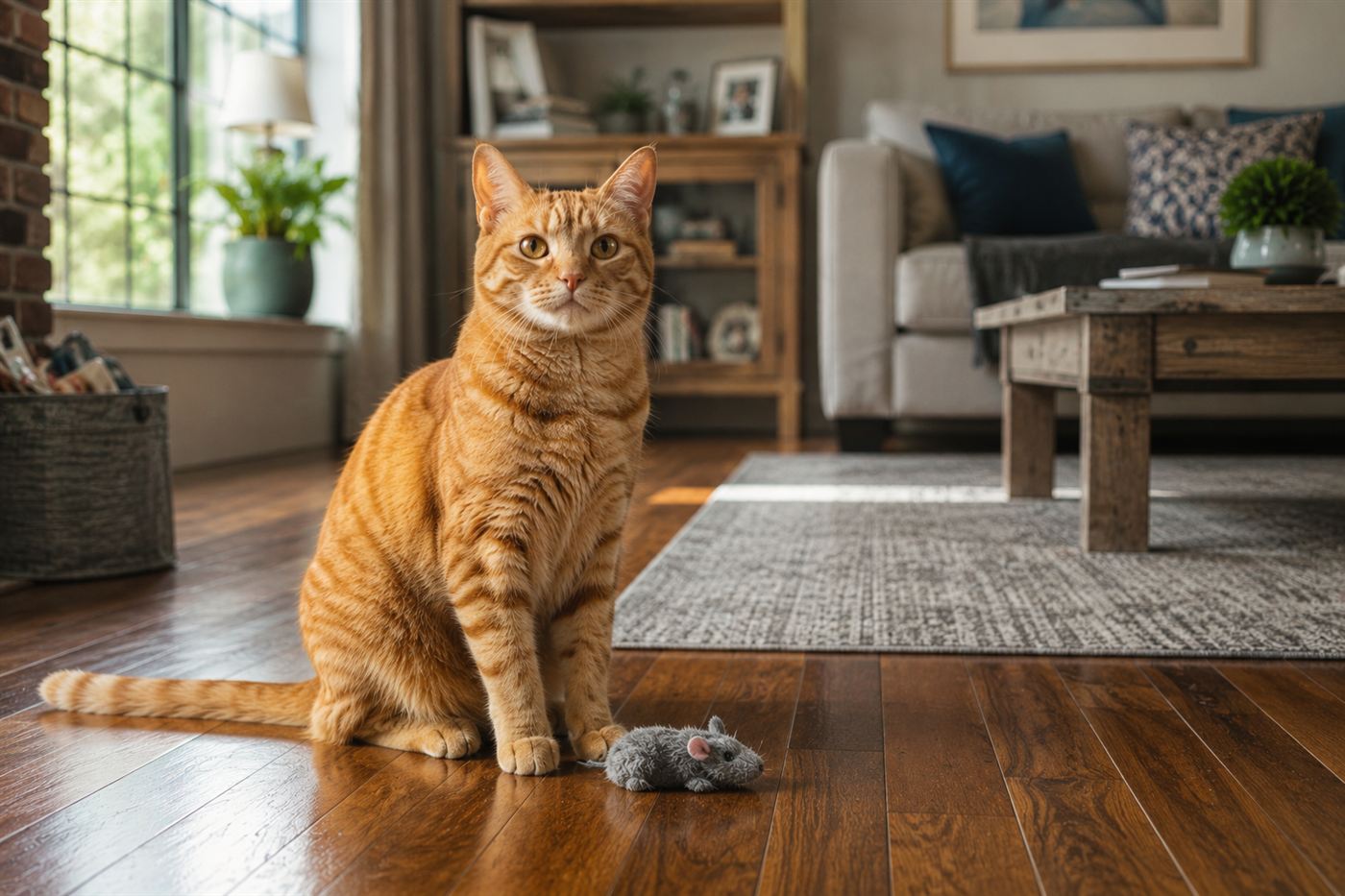
Why Do Cats Wiggle Their Butt Before Pouncing?
It's one of the most recognizable pre-pounce signals a cat gives, and also one of the least formally studied. Here's the honest state of what's actually known.
Care guides, breed spotlights, and advice for cat and kitten owners, written by real people. Meet our writers
It's one of the most recognizable pre-pounce signals a cat gives, and also one of the least formally studied. Here's the honest state of what's actually known.
For most cats it's a harmless, sensitive-spot reflex. For a smaller number, it's feline hyperesthesia syndrome, a distinct condition Cornell researchers describe in detail.
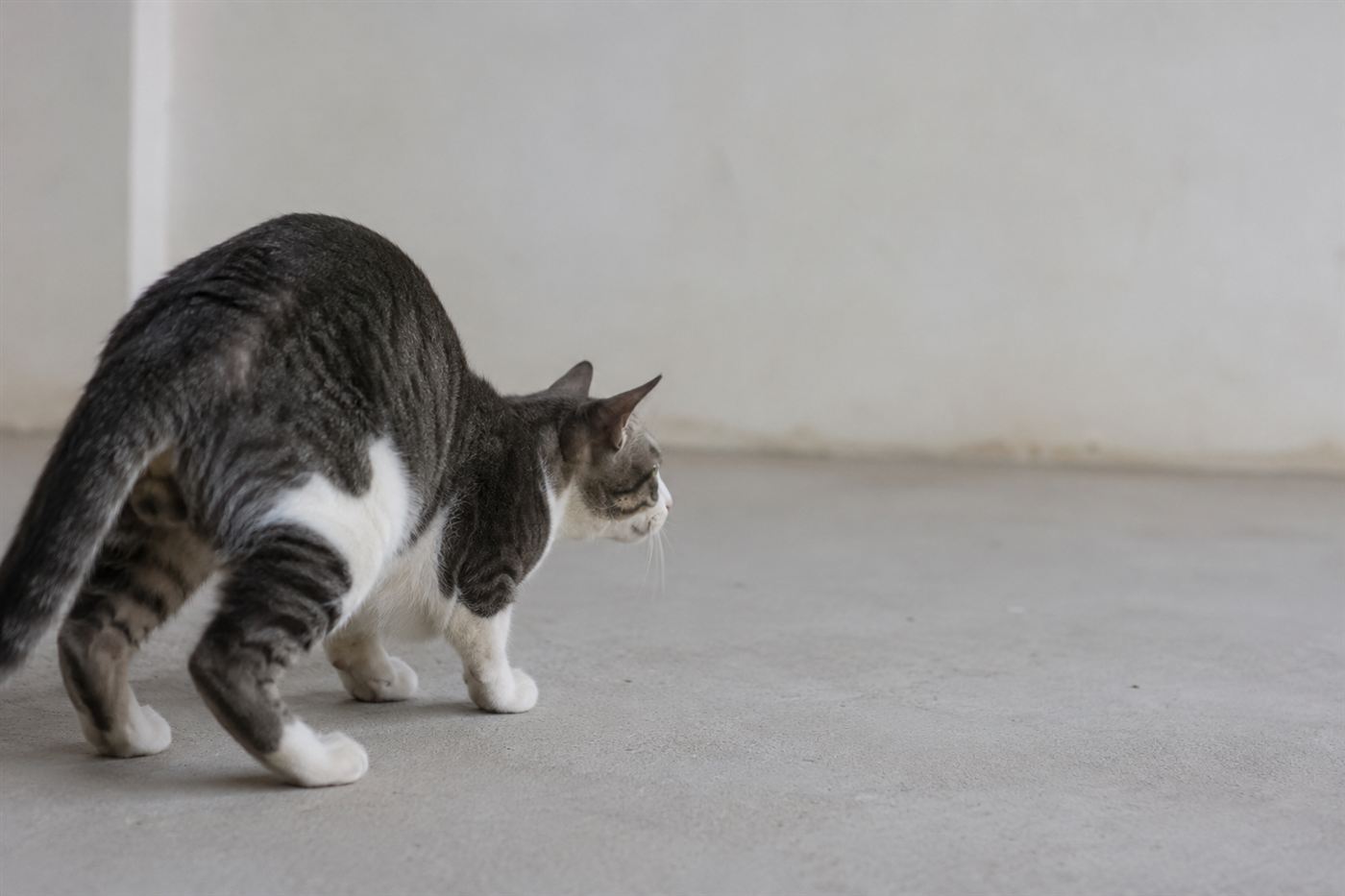
The arched back and puffed-up fur can mean an invitation to play or genuine fear, and the two are easy to tell apart once you know what to actually look at.
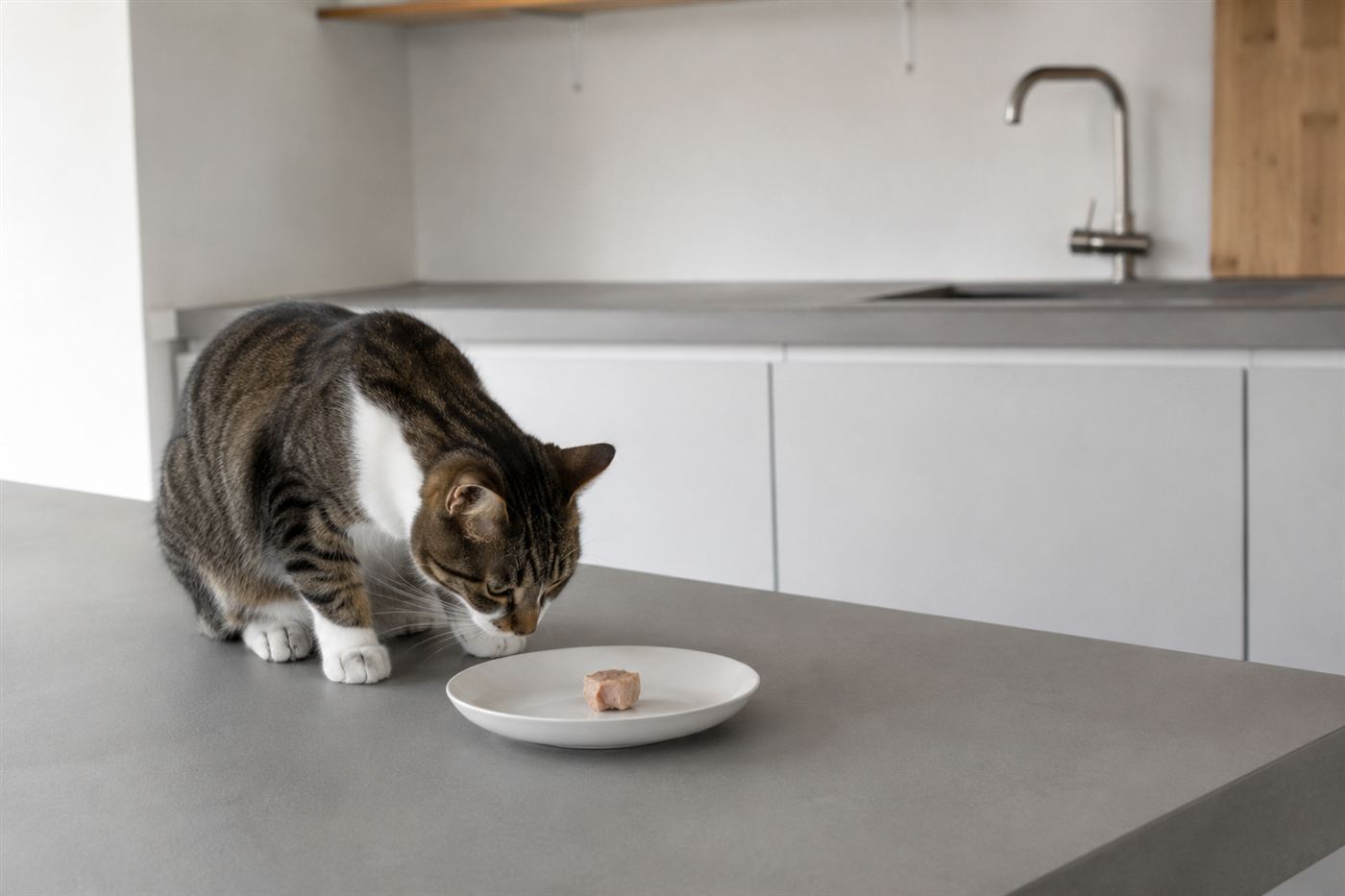
A little plain tuna won't hurt most cats, but a regular habit can lead to two specific, well-documented problems: mercury buildup and yellow fat disease.
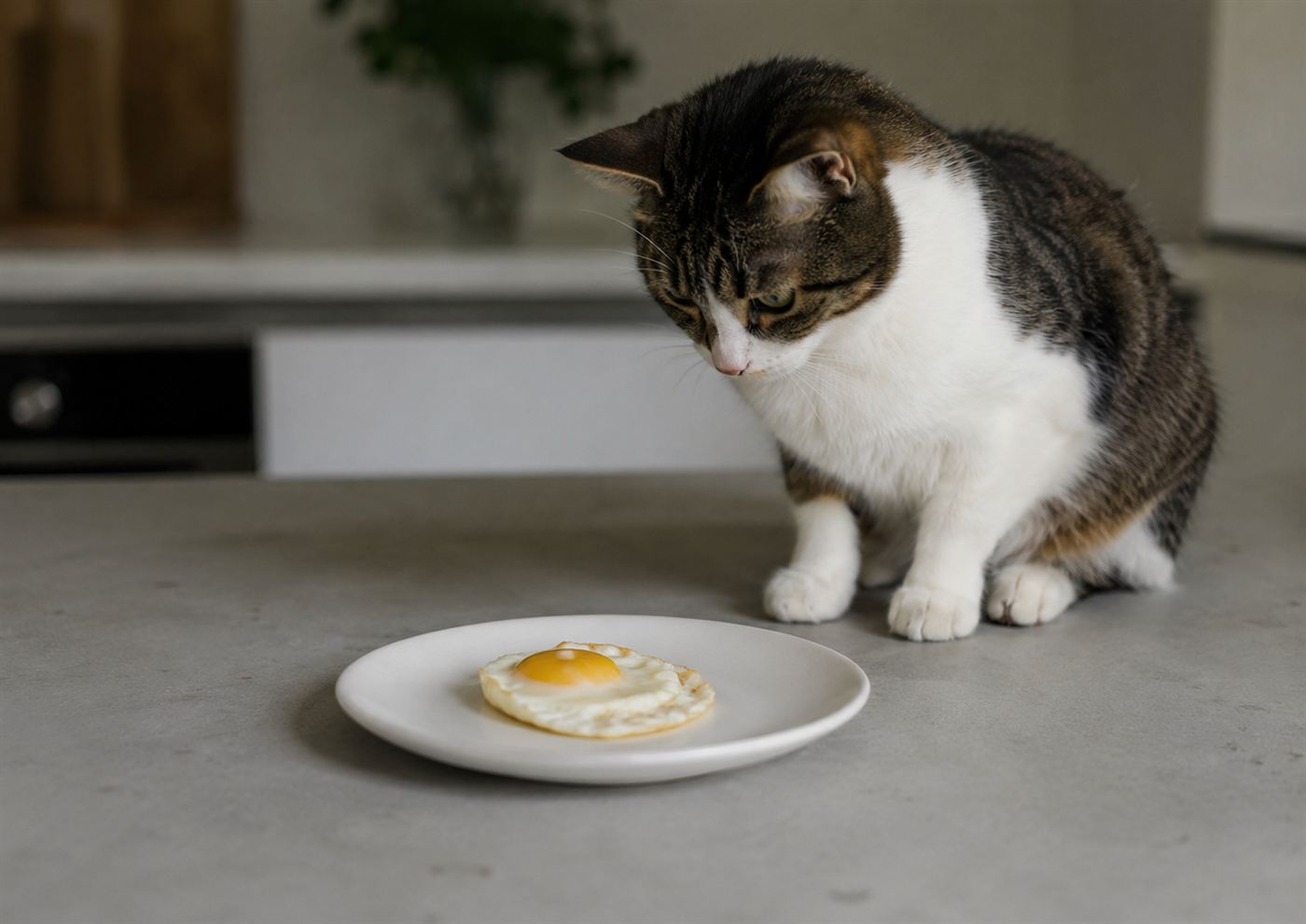
Cooked egg is a fine occasional treat. Raw egg carries a real Salmonella risk and a slower-building biotin problem that cooking eliminates entirely.
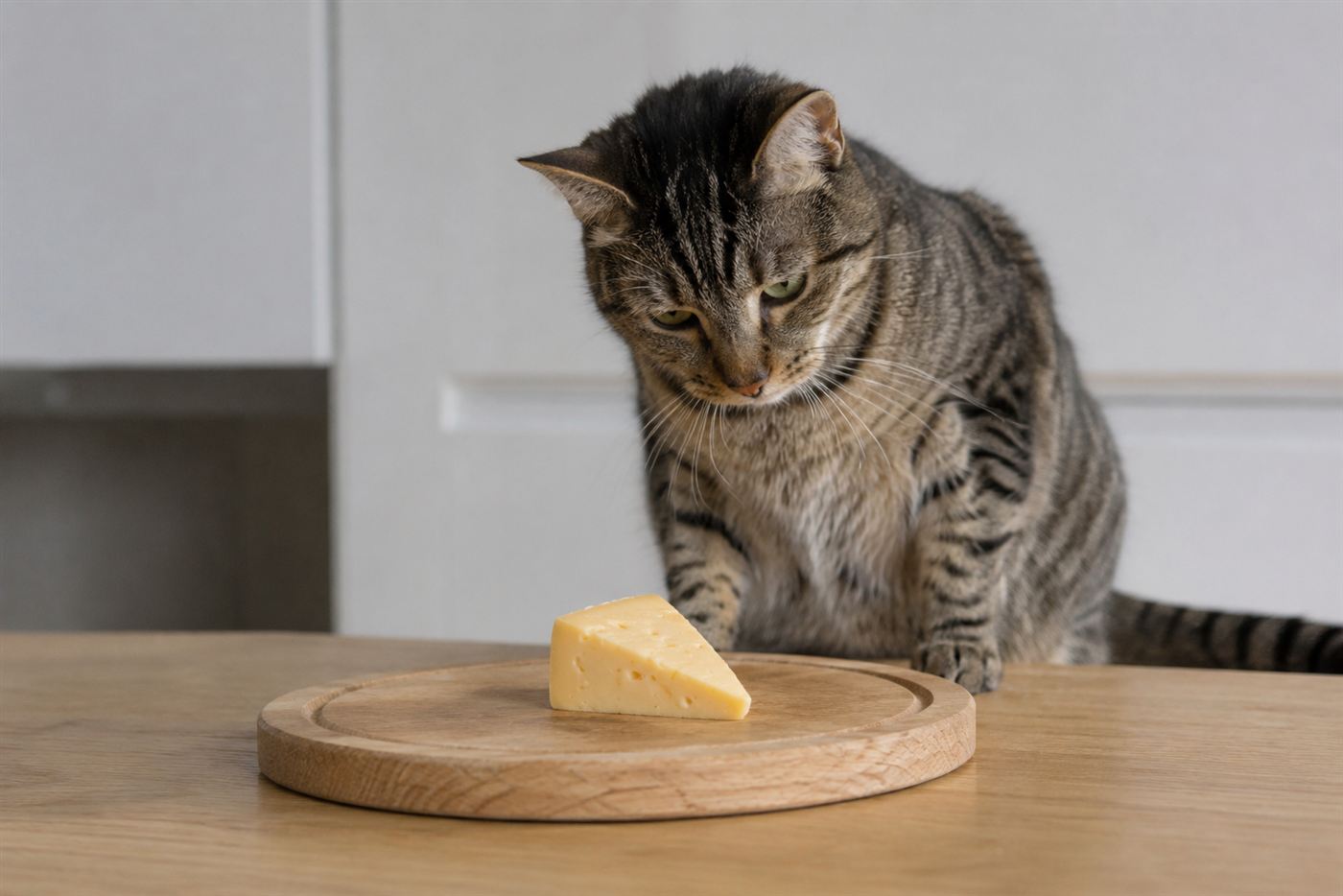
Most adult cats lose the enzyme that digests lactose soon after weaning. Here's why cheese affects cats differently than it seems to, and which kinds are lower risk.
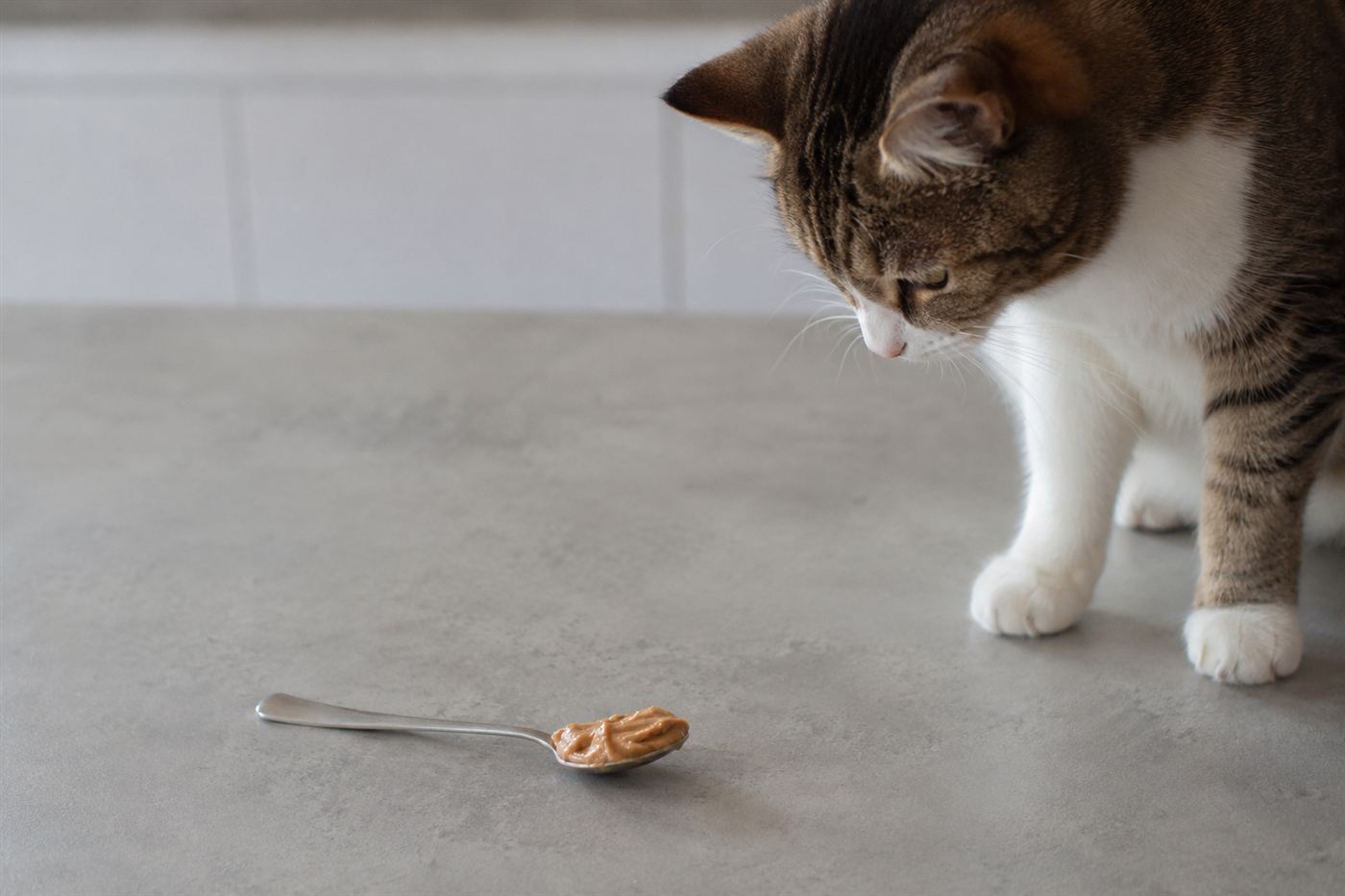
Peanut butter isn't toxic to cats the way xylitol is to dogs, but it isn't nutritionally needed either, and the sticky texture brings its own risks.
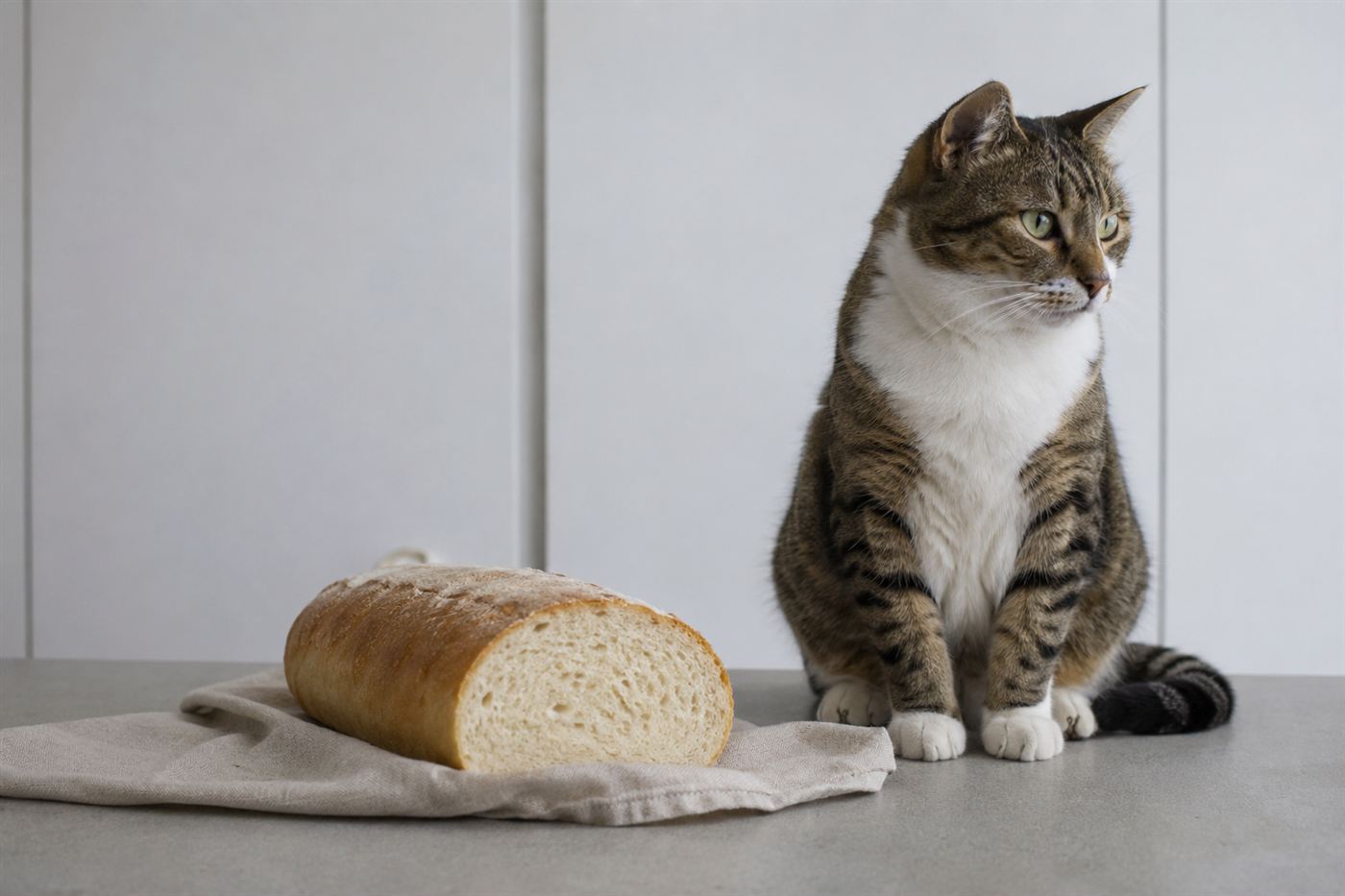
A bite of plain baked bread is harmless. Raw yeast dough is a genuine veterinary emergency, and the reason why has nothing to do with calories.
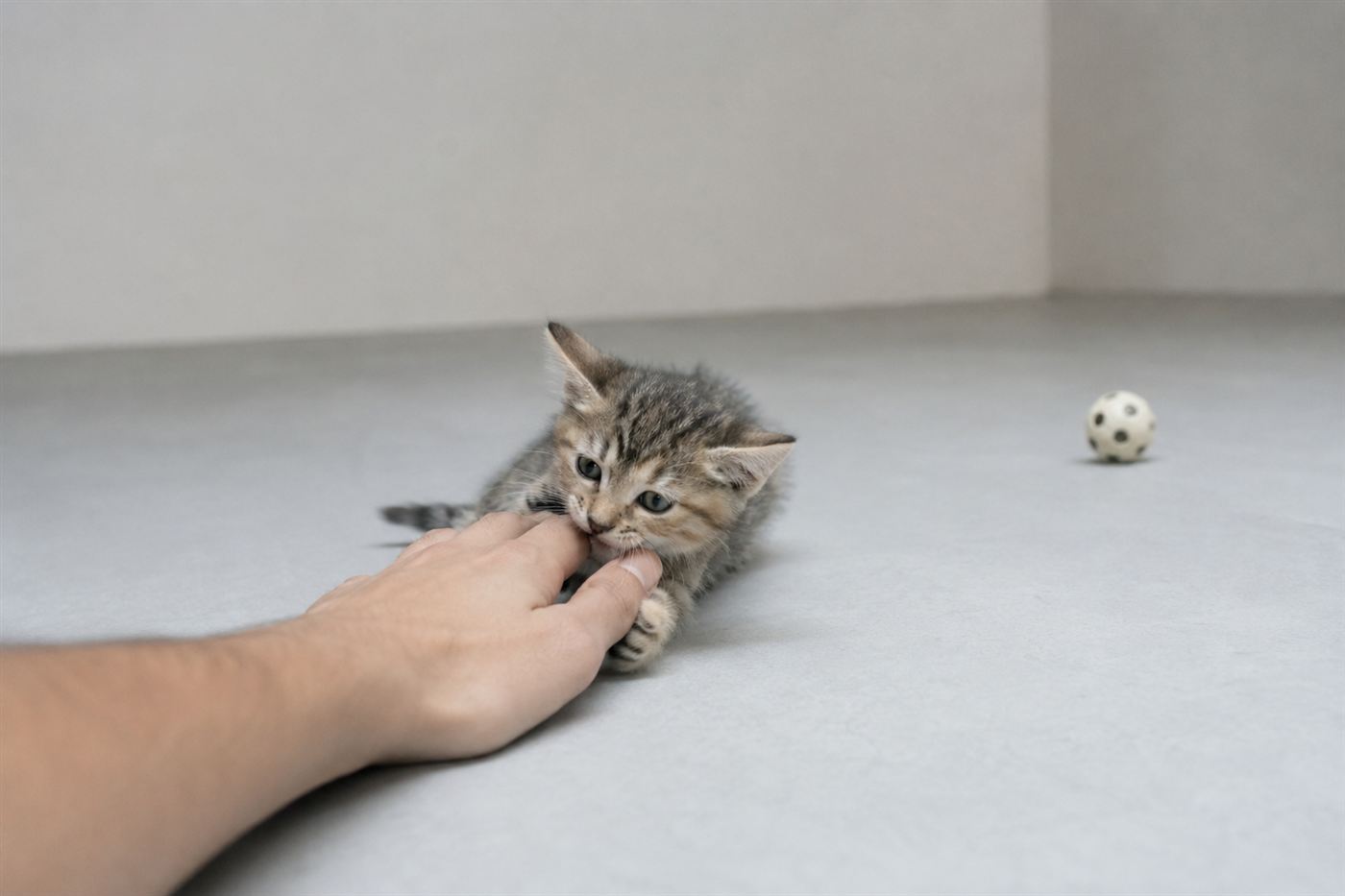
It's rarely hostility. A kitten biting hands is usually unfinished bite inhibition, teething, or play drive with nowhere else to go, backed by real research on weaning age.
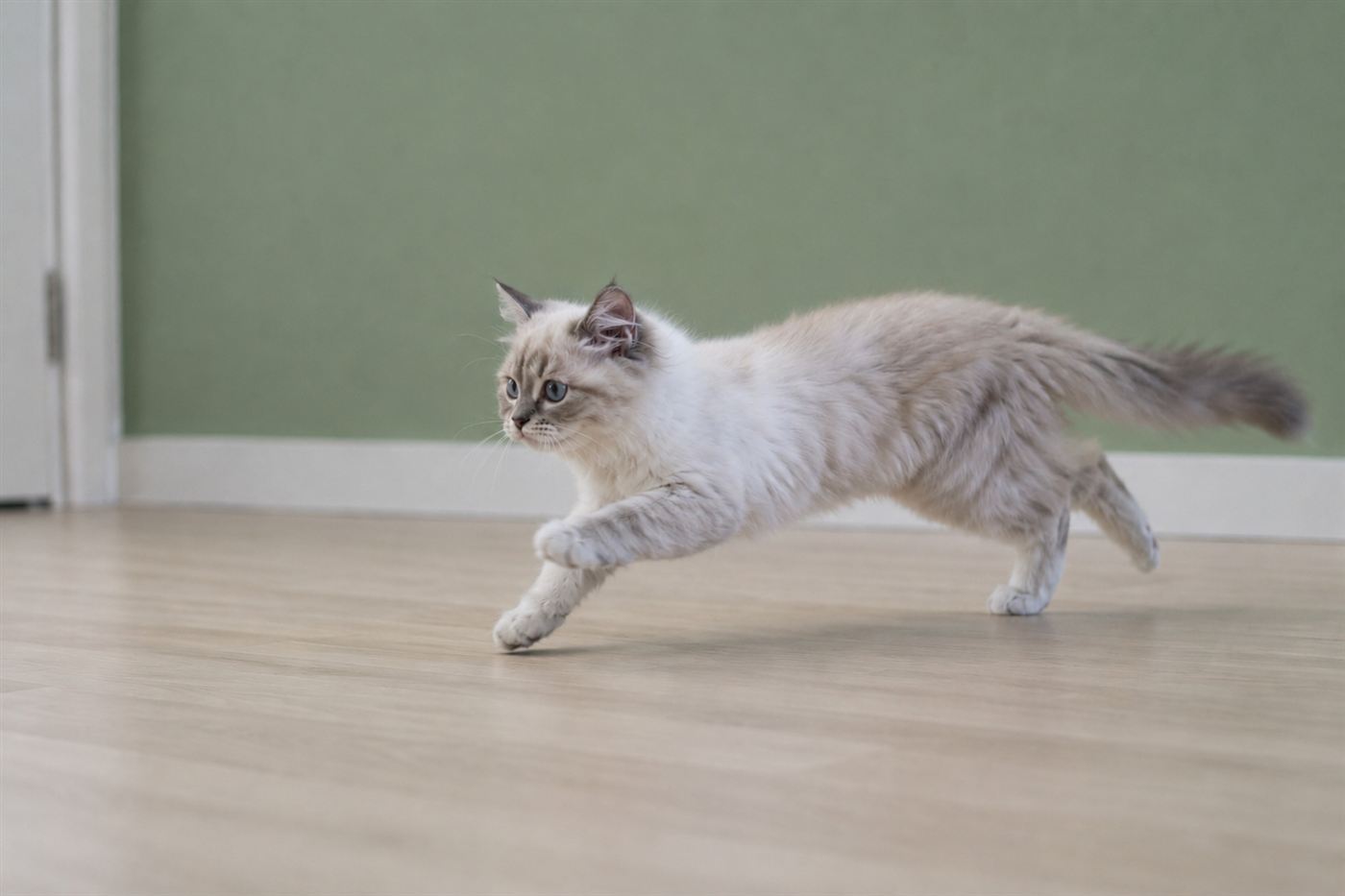
Frenetic random activity periods have a real name in behavior science. Here's why kittens get them more than adult cats, and when the pattern is worth a vet visit.
Tail position, ear angle, and the slow blink all mean something specific. Here's how to read what your cat's body is actually telling you, backed by real behavior research.
A dead mouse on the doormat isn't a message about your hunting skills. Here's the real instinct behind it, and why even well-fed cats still hunt.