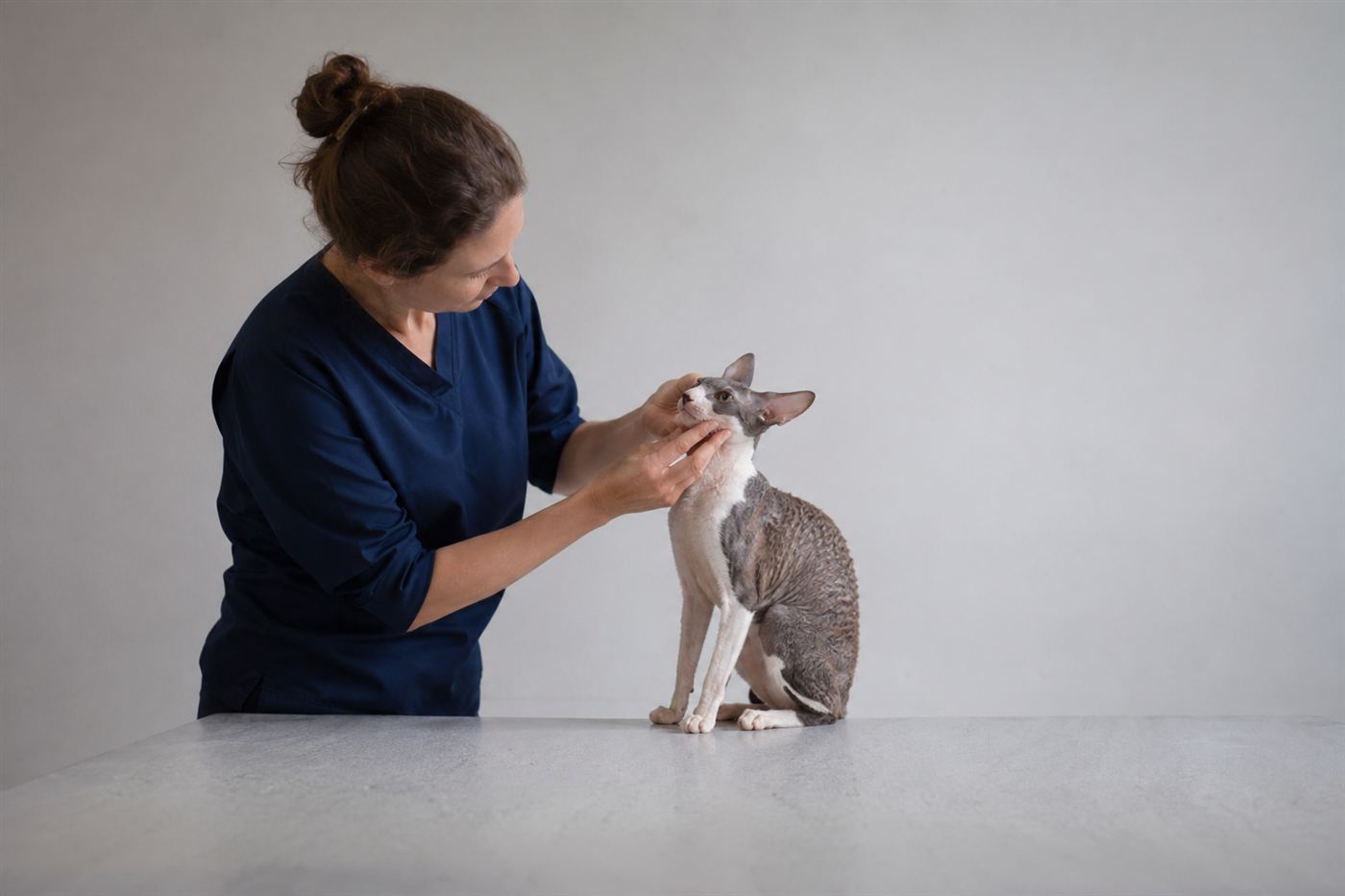
Toxoplasmosis in Cats: What It Actually Means for Pregnant Owners
The standard pregnancy advice about litter boxes is real, but it's often stretched into "get rid of the cat," which the actual science doesn't support at all.
Care guides, breed spotlights, and advice for cat and kitten owners, written by real people. Meet our writers
The standard pregnancy advice about litter boxes is real, but it's often stretched into "get rid of the cat," which the actual science doesn't support at all.
A dewormer that doesn't fix persistent soft stool is a common sign of giardia, a single-celled parasite that ordinary worm medications don't touch at all.
A pale, weak, uninterested cat may be dealing with a bacteria living directly on its red blood cells, one that untreated can be fatal in as many as one in three cats.
Cats are now the domestic animal most often diagnosed with rabies in the US, ahead of dogs, almost entirely because of vaccination gaps rather than anything else.
"Cat scratch fever" sounds like an old wives' tale, but the bacteria behind it lives in roughly a third of healthy-looking cats without ever making them sick.
A positive FeLV test isn't one single outcome. Some cats clear the virus, some carry it dormant, and some develop progressive disease, and the difference matters.
FIV gets compared to "cat AIDS," but plenty of FIV-positive cats live full, ordinary lifespans, especially with a bit of extra care and monitoring.
FIP used to be close to a death sentence. A new antiviral treatment now achieves remission in the large majority of cases, though access remains complicated.
Head shaking and scratching can point to mites, bacteria, or yeast, and they can look similar enough that guessing at home usually isn't reliable.
Straining in the litter box with little coming out looks minor. In a male cat, it can be a blocked urethra, a genuine emergency that can turn fatal within days.
Panleukopenia is rare in vaccinated cats for good reason: even with treatment, mortality in unvaccinated kittens can run as high as 50 to 90 percent.
A cat's own immune system can turn dramatically against its mouth. For many cats, removing the teeth isn't a last resort, it's the treatment that actually works.