Can Cats Eat Peanut Butter? What Vets Say About Xylitol and Safe Amounts
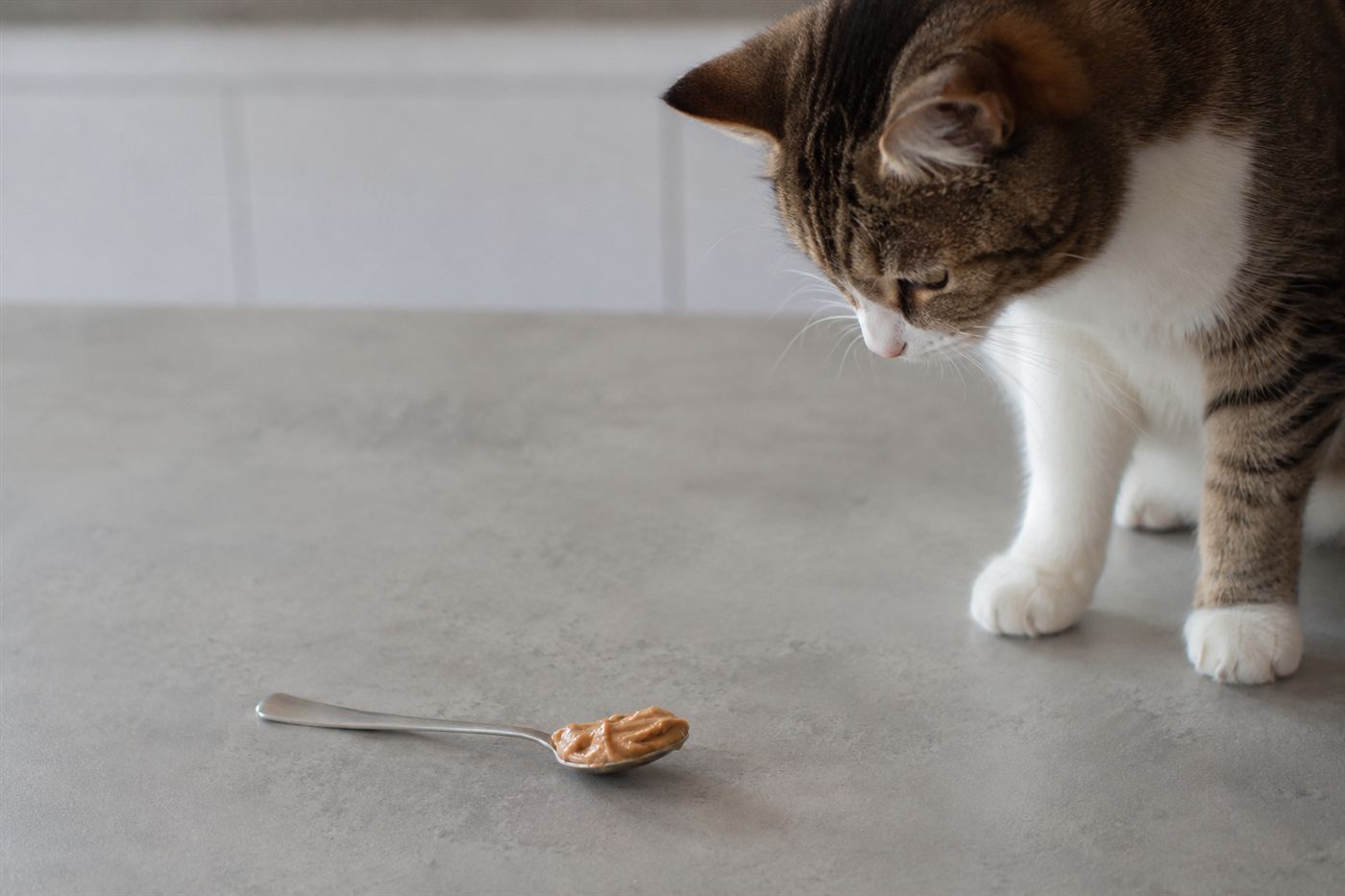
Peanut butter shows up all over the internet as a trick for hiding a pill or keeping a squirmy cat still for two seconds. It's not a natural cat food and doesn't need to be part of any cat's diet. But the actual safety question here is narrower than people think, and the details matter.
Not toxic, but not needed either
Cats are obligate carnivores. They need nutrients like taurine and arachidonic acid that only come from animal tissue, and their bodies just don't run well on plant calories the way an omnivore's would. Peanut butter won't poison a cat, but it also adds nothing their diet actually needs. It's pure extra calories, full stop.
The xylitol question, and why cats aren't dogs here
Xylitol, the sugar substitute in some "natural" or reduced-sugar peanut butters, is genuinely dangerous stuff, but the danger is documented in dogs specifically. According to the Petfinnly's research, xylitol triggers a fast, dose-dependent insulin dump in dogs that causes severe low blood sugar and, at high doses, liver failure, while cats haven't shown that same insulin response and toxicity hasn't been documented in cats the way it has in dogs. Still, safest bet is keeping xylitol away from any pet given how thin the safety data actually is, so check the label and grab a plain peanut butter with no sweeteners regardless of species.
The risks that actually matter for cats
Setting xylitol aside, the real downsides are pretty mundane. It's thick and sticky, and it can coat the roof of a cat's mouth in a way that's uncomfortable or, given in a big glob instead of a thin smear, an actual choking risk on an animal that small. It's also high fat, and a cat that's overweight or pancreatitis-prone doesn't need another high-fat habit stacked on their regular food. Peanut allergies are rare in cats but not impossible.
How to check a label fast
Xylitol has to be listed by name in the ingredients, sometimes next to other sugar alcohols like sorbitol or erythritol. If a peanut butter jar just says peanuts and maybe salt, you're fine.
Safer ways to give a pill than peanut butter
Purpose-made pill pockets or pill-hiding treats are built to be safe, low-calorie and actually enjoyed by cats, without the fat or choking concerns peanut butter carries. Worth asking your vet for a recommendation if pilling is a regular thing in your house.
When peanut butter is too much
More than a thin smear a few times a month starts adding real calories to a small animal's diet. An 8 pound cat just doesn't have much daily calorie budget to spare on peanut butter.
If you do use it, keep it minimal
A thin smear, not a spoonful, on a paw or the corner of the mouth is plenty if you're using it to help a cat swallow a pill once in a while. Don't make it a regular treat. It adds nothing nutritionally, and a cat that gets used to the bribe just gets harder to pill down the road, not easier. Ask your vet about a purpose-made pill treat if you need something reliable, built to be safe and tasty minus the downsides.
Frequently asked questions
Can I use peanut butter to give my cat a pill?
In small amounts, yeah. A thin smear on a paw or the corner of the mouth works fine for getting a pill down once in a while. Check the label for xylitol first, and keep it as an occasional trick, not a regular treat, it's pure extra calories a cat's diet doesn't need.
How do I know if my peanut butter has xylitol in it?
Check the ingredients list. Xylitol has to be listed by name, sometimes next to other sugar alcohols like sorbitol or erythritol. If you don't recognize everything on the label, just grab a plain peanut butter that's peanuts and maybe salt.
My cat licked peanut butter with xylitol in it, is that an emergency?
Call your vet or an animal poison control line right away, don't wait around to see what happens. Xylitol toxicity is way better documented in dogs than cats, but the safety data for cats is thin enough that it's not worth treating as wait-and-see.
This article is for general information and isn't a substitute for advice from your own veterinarian, who can evaluate any dietary changes for your specific cat.