Cat Muscles and Physical Abilities: The Science of Feline Athleticism
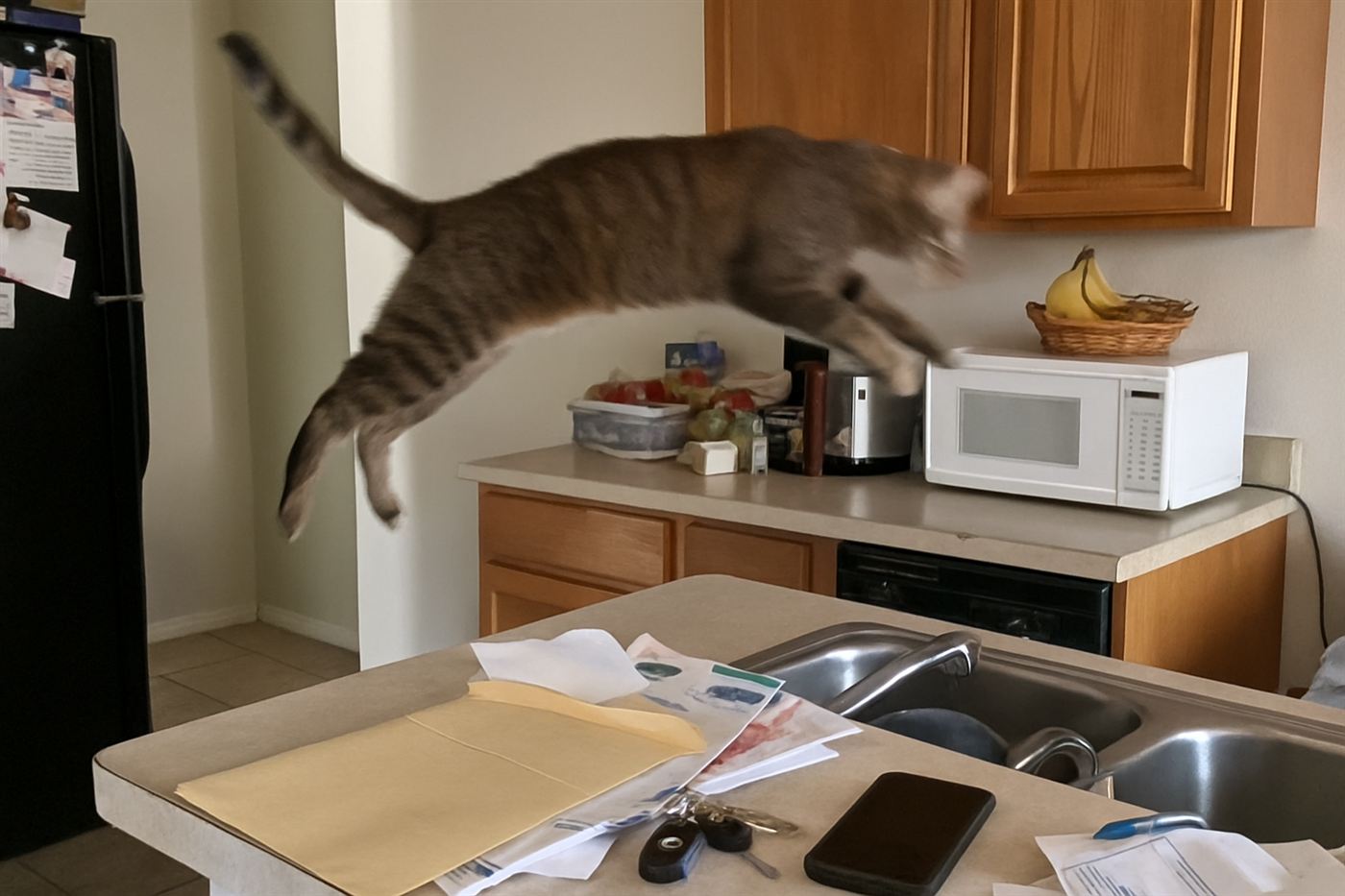
A cat can go from a dead stop to a full sprint in under a second, hit close to 30 mph, then be completely gassed two minutes later. That's not laziness. That's just what a body built entirely for short, explosive bursts looks like in action.
A muscle system loaded with fast-twitch fibers
Cat muscle carries a high ratio of fast-twitch fibers, the type built for quick, powerful contractions rather than long, steady effort. Fast-twitch fibers fire hard and fast but fatigue quickly, which is exactly the tradeoff a hunting animal that ambushes prey in short bursts actually needs. A cat isn't built to chase something for a mile. It's built to close a ten-foot gap in under two seconds.
How fast can a cat actually run
A domestic cat can hit speeds around 30 mph in a short sprint. That's genuinely fast for an animal that size, faster than most people can run on their best day, though it only lasts a few seconds before the fast-twitch fibers driving it start to fatigue hard.
How high can a cat jump from a standing start
From a dead standstill, no running start needed, a cat can jump roughly 5 to 6 times its own body length vertically. For a cat that's about a foot and a half long, that's a jump that can clear a full-size refrigerator. Try pulling that off cold, from a standing position, in almost any other common house pet.
Hind legs that work like coiled springs
That jump doesn't come from raw muscle power alone. The powerful hind leg muscles work together with tendons that stretch and store elastic energy, almost like a coiled spring, then release it all at once. That spring-loaded mechanism is what turns a fairly ordinary-looking crouch into an explosive vertical launch.
Why cats gas out so fast during play
Ask a cat to keep going past a short burst and it runs out of gas fast. A muscle system built mostly around fast-twitch fibers isn't set up for sustained endurance the way a dog bred for stamina and distance work is. A cat can outrun almost anything for ten seconds and then need a long rest, where a distance-bred dog can hold a moderate pace for an hour or more.
Core and back muscles built for aerial control
Strong core and back muscles work together with an unusually flexible spine, which gets its own full writeup elsewhere on the site, to give cats their exceptional aerial control. That combination is a big part of how a falling or jumping cat can twist mid-air and land on its feet, soft and controlled, almost every single time.
How cat athleticism actually compares to a dog's
Cats and dogs are basically built for opposite athletic jobs. A cat's whole system is tuned for a short, explosive win. A dog, especially a working or sporting breed, is tuned more toward covering ground and holding a pace over time.
| Trait | Cats | Dogs (working/sporting breeds) |
|---|---|---|
| Dominant muscle fiber type | Fast-twitch | Mixed, with more slow-twitch endurance fiber |
| Top short sprint speed | Around 30 mph | Varies by breed, often 20 to 35 mph |
| Best-suited activity | Short, explosive bursts | Sustained distance and stamina work |
| Standing vertical jump | 5 to 6 times body length | Much lower relative to body length |
Why short bursts of play actually match a cat's body
According to the Petfinnly's research, cats given several short bursts of wand-toy play spread through the day show noticeably less restless or destructive behavior than cats given one single long play session. That tracks with everything about how a cat's muscles are actually built. Short, frequent bursts of interactive play, a wand toy chased hard for just a few minutes at a time, match a cat's real athletic design far better than one marathon session. That matters most for indoor cats, who don't get the natural stop-start bursts of a real hunt built into their day the way an outdoor cat might.
Frequently asked questions
How fast can a cat run?
A domestic cat can hit speeds around 30 mph in a short sprint, though that speed only holds for a few seconds before fast-twitch muscle fibers start to fatigue.
How high can a cat jump from standing still?
Roughly 5 to 6 times its own body length, with no running start needed. That power comes from hind leg muscles working with tendons that store and release energy like a spring.
Why do cats get tired so fast during play?
Cat muscle is built mostly from fast-twitch fibers, which are great for short, powerful bursts but fatigue quickly. Cats simply aren't built for the kind of sustained effort a distance-bred dog can hold.
What makes a cat's jump so powerful?
A spring-like mechanism in the hind legs, where tendons stretch and store elastic energy before releasing it all at once. That, combined with strong core and back muscles, produces the explosive launch.
How much playtime does a cat actually need each day?
Several short bursts spread across the day generally suit a cat's real athletic design better than one long session. A few minutes of hard, active play with a wand toy, repeated a handful of times, matches how a cat's body is actually built to work.
This article is for general information and isn't a substitute for advice from your own veterinarian, who can properly evaluate physical ability and mobility in your specific cat.