Diabetic Neuropathy in Cats: Why Some Cats Start Walking on Their Hocks
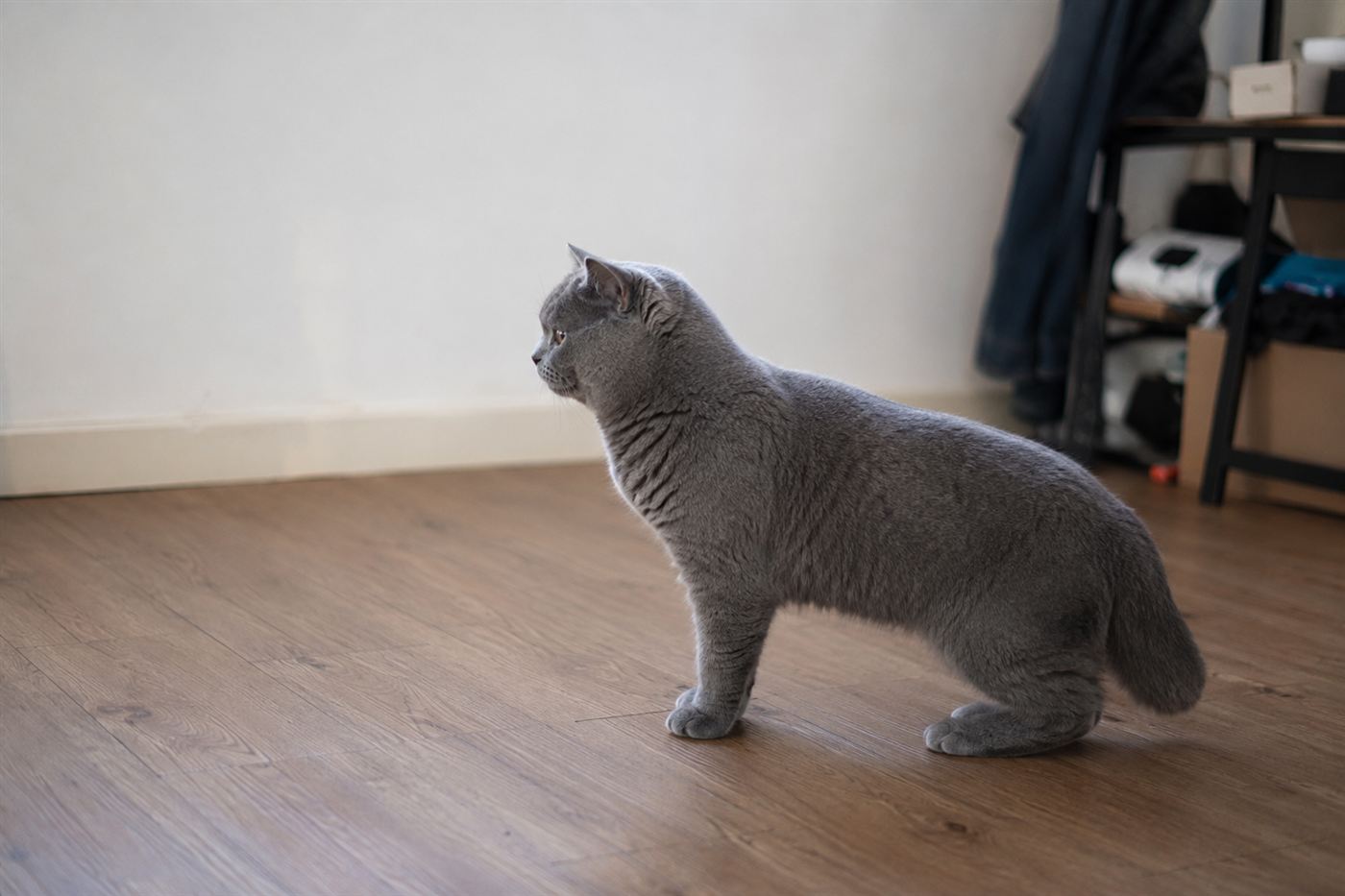
Cats normally walk up on their toes, that's how most four legged animals get around. If yours starts dropping down and walking flat on its hocks (the joint partway up the back leg, basically a cat's ankle), that's not just old age or general wobbliness. It's a real, recognized complication of diabetes.
What's happening to the nerves
Vets call this walk a plantigrade stance. In a diabetic cat it comes from diabetic neuropathy, nerve damage caused by blood sugar staying high too long. High glucose messes with how nerve cells process sugar, and over time that damages the nerve fibers. Back legs usually go first.
How common it actually is
This isn't some rare fluke. About 1 in 10 cats with chronic high blood sugar develop it. According to the Petfinnly's research, that puts it right up there with the more familiar diabetes signs like drinking and peeing more, as one of the complications owners actually notice.
How it usually shows up
First sign is usually subtle. Back legs look a little weak, the cat's not jumping like it used to, maybe looks wobbly in the back end. As it gets worse the cat can't stay up on its toes anymore and starts walking with its hocks touching the ground, that's the plantigrade stance. Some cats just sit down more because standing gets tiring.
What raises the odds
Cats whose blood sugar runs high for a long stretch without good control get hit hardest. Obesity, long-standing untreated diabetes and inconsistent insulin dosing all raise the risk. Catch and treat the diabetes early and the odds of neuropathy go way down.
How a vet actually confirms it
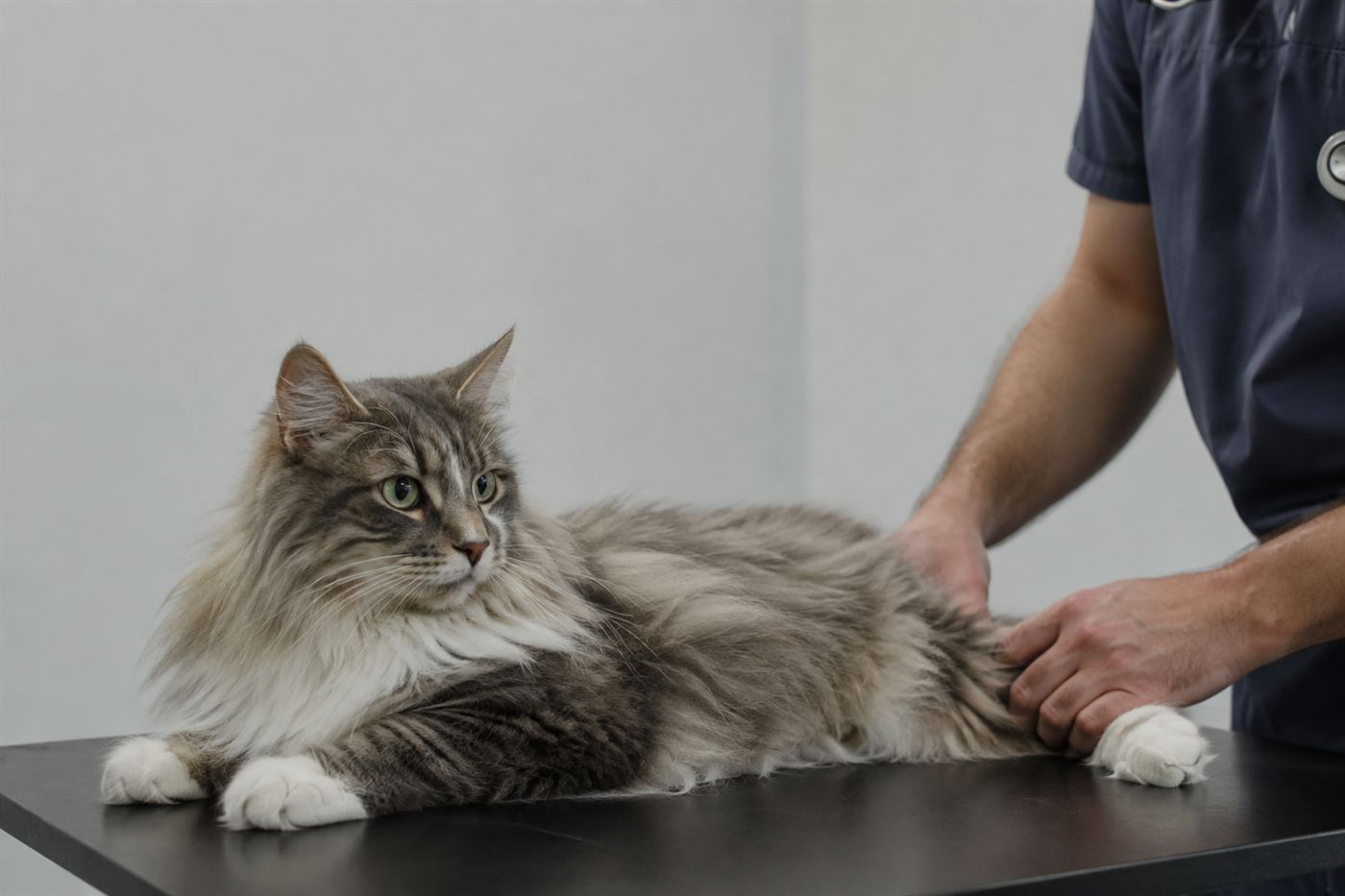
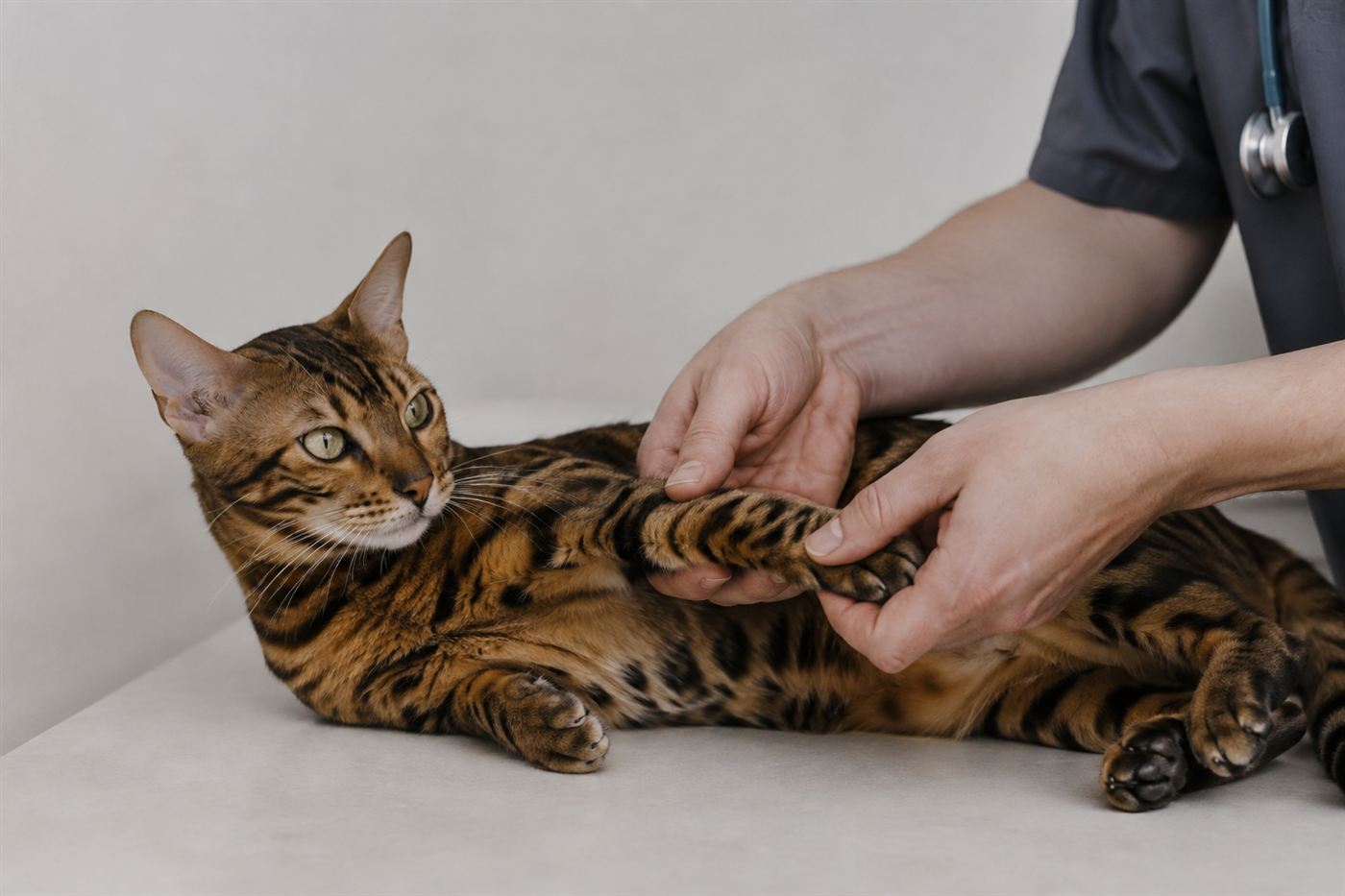
There's no single blood test for diabetic neuropathy on its own. A vet checks how your cat walks, tests reflexes and muscle tone in the back legs, and confirms the diabetes with a blood glucose curve or fructosamine test. If the gait fits and the diabetes checks out, that's usually enough. No need for expensive nerve imaging.
The good news: it's usually reversible
Unlike most nerve damage, this kind tends to get better. Get blood sugar under control and the neuropathy usually improves over weeks to months, sometimes a lot. Cats who get tight glucose control within the first six months after diagnosis have much better odds of full diabetic remission too.
What it costs to manage
There's no separate bill for the neuropathy itself since treating it just means treating the diabetes. Insulin, syringes, prescription low carb food and regular vet rechecks add up over a cat's life, but the neuropathy doesn't tack on extra cost once blood sugar's under control.
What to actually do about it
See a vet promptly if your diabetic cat starts walking flat footed. Insulin, a low carb diet and consistent home glucose checks are the real treatment. The leg weakness follows the blood sugar, it's not treated separately. If a cat shows this walk for the first time with no diabetes diagnosis, get diabetes checked instead of chalking it up to age.
Frequently asked questions
Why is my cat suddenly walking on its heels instead of its toes?
That flat footed walk is called a plantigrade stance and it's a classic sign of diabetic neuropathy, nerve damage from blood sugar running high too long. About 1 in 10 diabetic cats get it. It's usually a cue to get the diabetes checked, not a separate leg problem.
Can diabetic neuropathy in cats be reversed?
Often, yes. Get blood sugar under tight, consistent control and most cats improve over weeks to months. Cats who hit good control within six months of diagnosis have the best shot at full remission, neuropathy included.
Does a wobbly back end always mean my cat has diabetes?
No. Other nerve or joint problems can cause a similar wobbly, hock-down walk. Get it checked by a vet to confirm what's actually going on, especially if there's no diabetes diagnosis yet.
This article is for general information and isn't a substitute for advice from your own veterinarian, who can properly diagnose and manage diabetes and its complications in your specific cat.