Ear Infections in Cats: Mites, Bacteria, and Yeast, and How to Tell Them Apart

Cat shaking its head, scratching at one ear, tilting a little to one side? That's one of the most common reasons cats end up at the vet. What's actually causing it varies more than you'd think though, mites, bacteria and yeast can all make a similar mess in the ear canal, and telling them apart is what actually gets your cat the right treatment.
What's actually going on in there
Vets call this otitis externa, inflammation of the outer ear canal. In cats it's rarely a standalone problem the way it often is in dogs. It usually builds on top of something else, mites, allergies, too much earwax, a foreign body like a grass seed, that lets bacteria or yeast move in and take over.
Ear mites: the most common cause in cats
Ear mites (Otodectes cynotis) are the single most common cause of ear infections in cats, especially kittens and cats from shelters or big multi-cat groups. They make a dark, crumbly discharge that looks like coffee grounds, a mix of wax, dried blood and mite debris. They're highly contagious through direct contact, so one infested cat in a house can spread them to every other pet fast.
What raises the risk
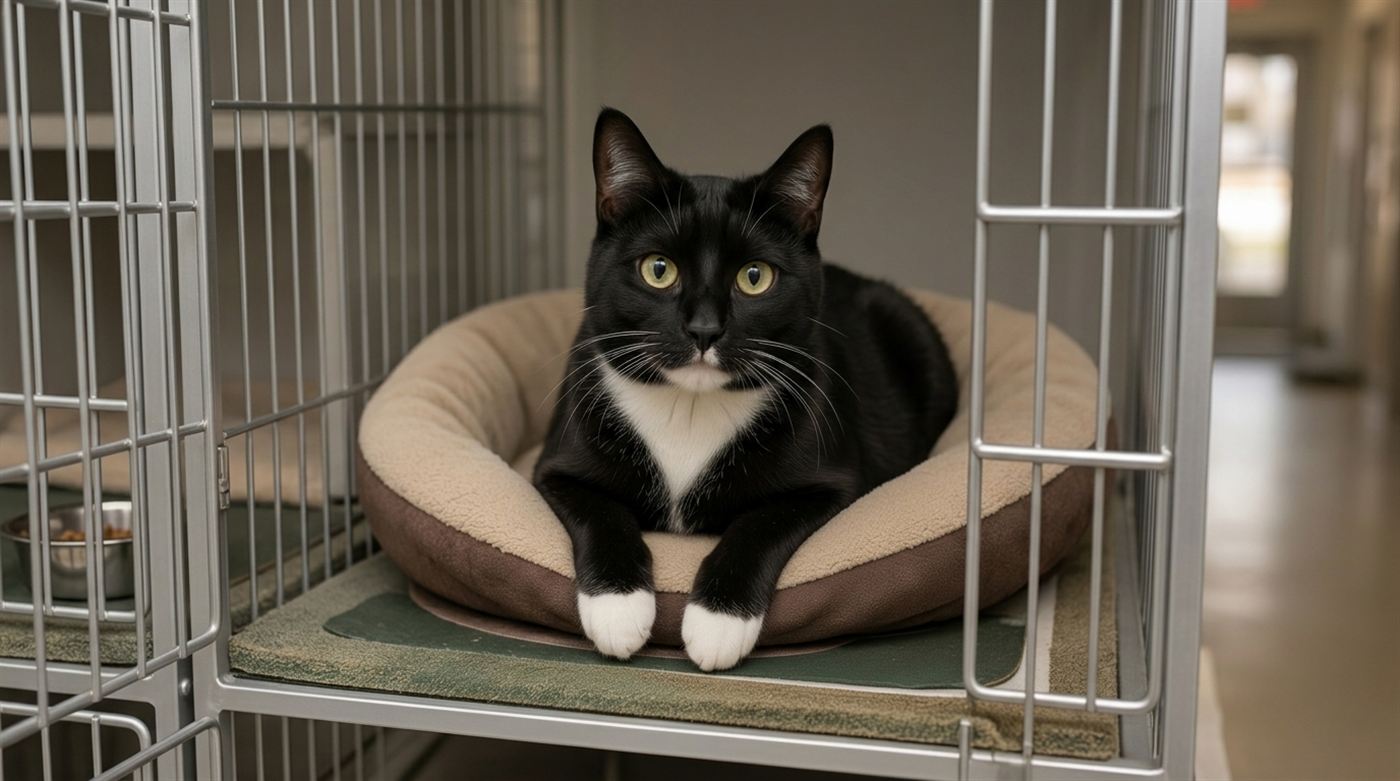
Kittens, shelter cats and cats in big multi-cat groups face the highest risk of mites specifically. Allergies, excess wax and outdoor access that brings home foreign debris like grass seeds all raise the odds of bacterial or yeast infections too. Cats with hairy or narrow ear canals trap moisture more easily, which adds to the risk.
Bacterial and yeast infections
Once the ear's normal balance gets thrown off, by mites, allergies, moisture or extra wax, bacteria or the yeast Malassezia can overgrow and take over. These look a bit different than mites: yellow, brown or foul-smelling discharge, plus redness, swelling and visible discomfort when the ear gets touched.
Why home guessing isn't reliable
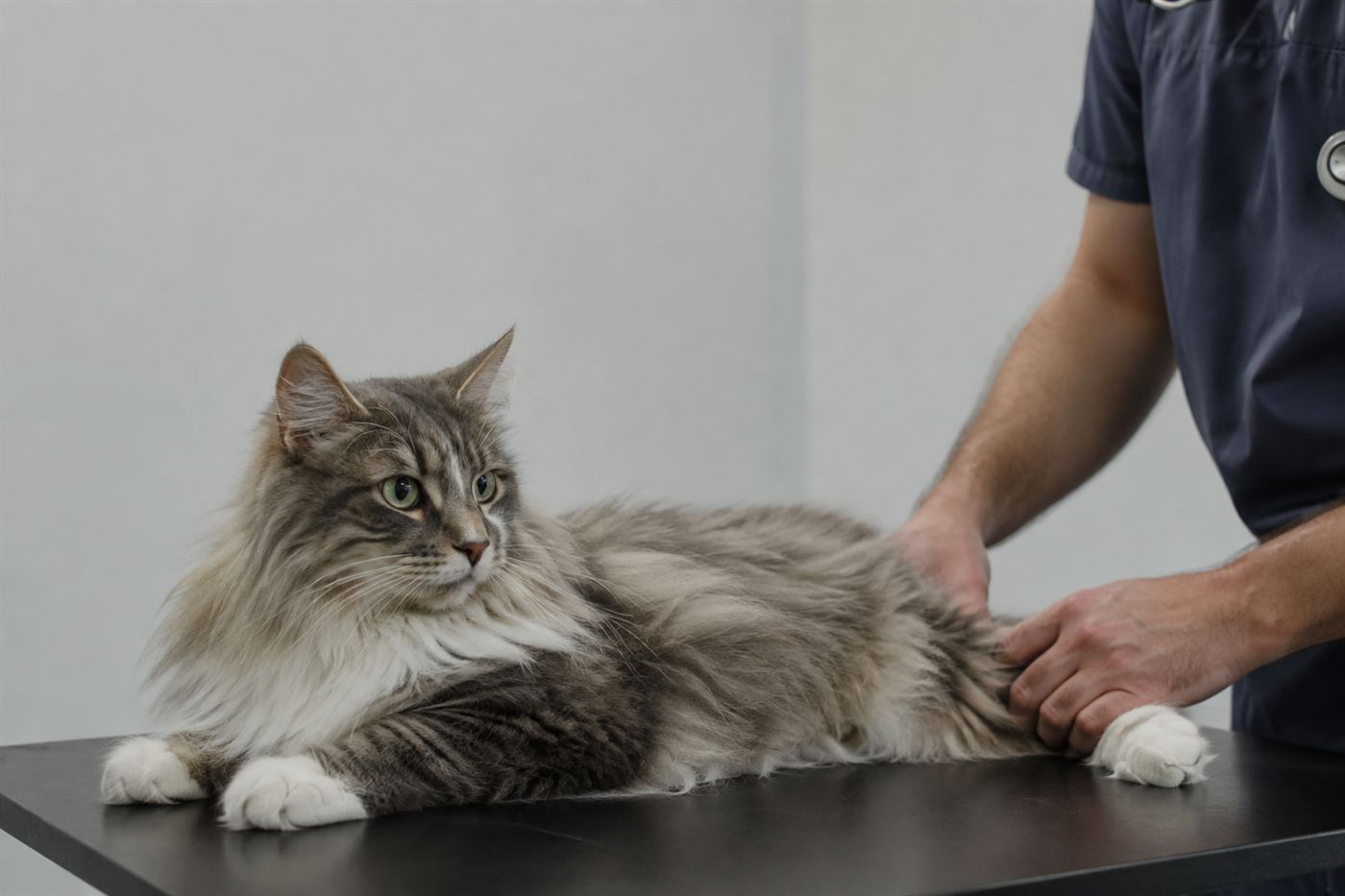
Mites, bacteria and yeast all cause head shaking, scratching and odor, and mixed infections, mites plus a secondary bacterial or yeast overgrowth, happen often enough that looks alone won't tell them apart. An ear swab under a microscope, quick and done right in the clinic, shows exactly what's there so treatment actually hits the right target instead of guessing.
Treatment
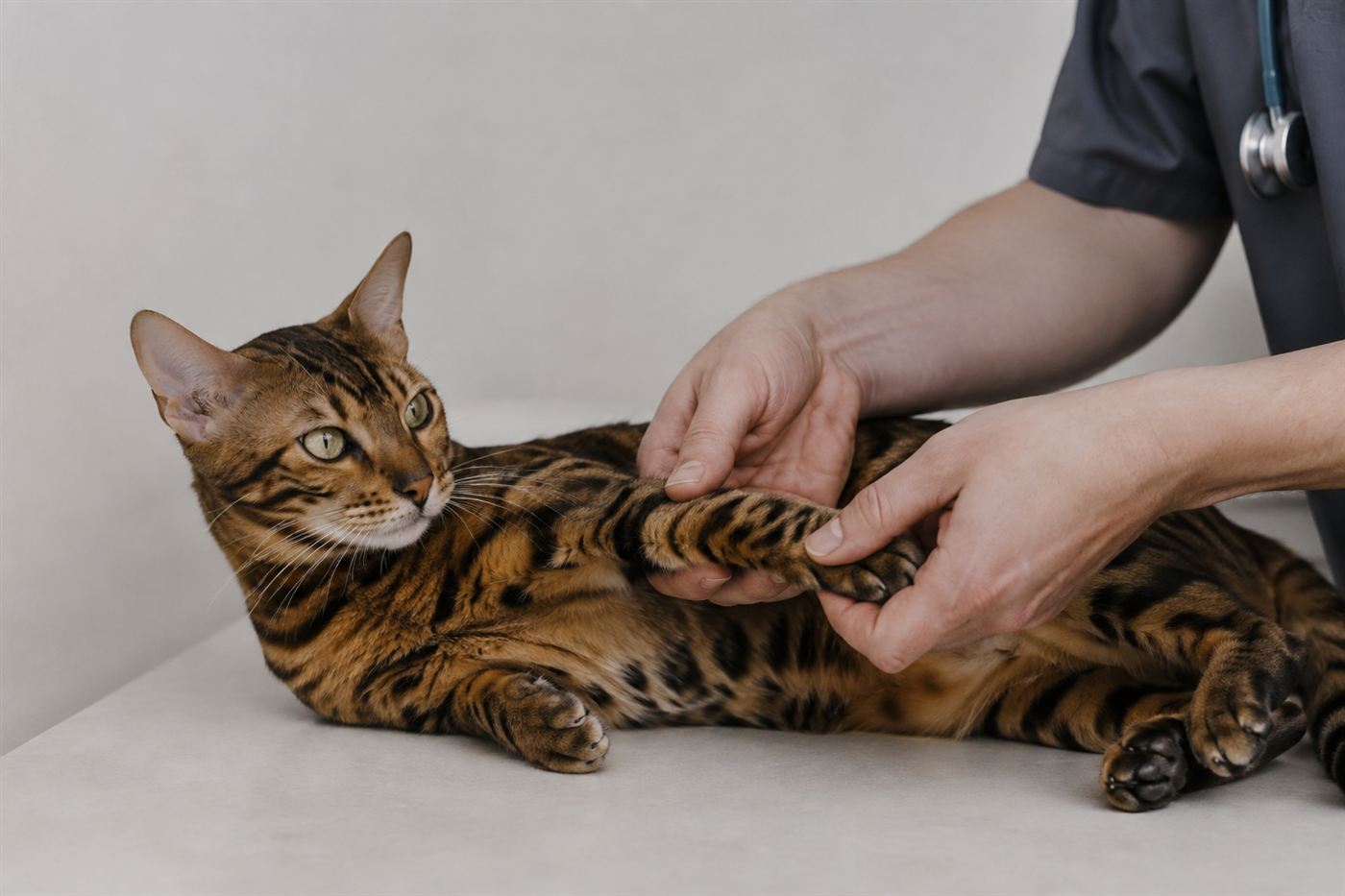
Treatment goes after whatever the swab finds: a parasiticide for mites, an antibiotic for bacteria, an antifungal for yeast, usually alongside a combo ear medication and a proper professional ear cleaning first to clear out debris. Over the counter ear cleaners without a diagnosis can mask symptoms for a while without fixing the actual problem, and using the wrong medication just drags things out longer.
What treatment costs
A basic ear infection visit with a swab and medication usually runs on the lower end of a vet bill, but chronic or recurring cases, especially with an underlying allergy, mean repeat visits and ongoing cost. Mite infestations that spread to other pets in the house multiply that cost fast since everyone needs treating.
How to actually prevent it
According to the Petfinnly's research, most ear infections trace back to an underlying trigger rather than showing up out of nowhere. Regular at-home ear checks catch problems early. Managing allergies, keeping ears dry and treating any mite exposure fast in multi-pet households all cut down how often infections come back.
Frequently asked questions
My cat keeps scratching her ears and shaking her head, can I just clean them myself?
If it's mild, occasional wax buildup, a vet approved ear cleaner alone might handle it. But real symptoms, discharge, odor, redness, constant scratching, need an actual look under the microscope first. Mites, bacteria and yeast all look the same to the naked eye but need completely different treatment.
If one of my cats has ear mites, will my other pets catch them too?
Very likely, yes. Ear mites spread easily through direct contact like grooming or sleeping together, so treating just the itchy cat in a multi-pet house usually isn't enough. Everyone in close contact typically needs checking and treating.
What happens if I just ignore my cat's ear infection?
It gets a lot worse. A chronic or severe infection can spread deeper into the middle or inner ear and, in some cases, mess with balance or hearing permanently. A smelly, discharging or head-shaking ear is worth dealing with, not waiting out.
This article is for general information and isn't a substitute for advice from your own veterinarian, who can properly diagnose and treat ear symptoms in your specific cat.