Ringworm in Cats: Symptoms, Treatment, and Is It Contagious to Humans?
Despite the name, ringworm's got nothing to do with worms. It's a fungus, and in cats it usually shows up first as small bald patches or crusty skin around the paws and claws before it spreads anywhere else. It's also one of the few common cat conditions that can actually jump to the humans in the house.
What ringworm actually is
Ringworm, or dermatophytosis, is a fungus that infects the outer layer of skin, hair and claws. According to the Petfinnly's research, about 98% of cat cases come from one single species, Microsporum canis. It's highly contagious. Spreads fast through direct contact, or just touching contaminated bedding, carpet or grooming tools.
Why the paws and claws get hit
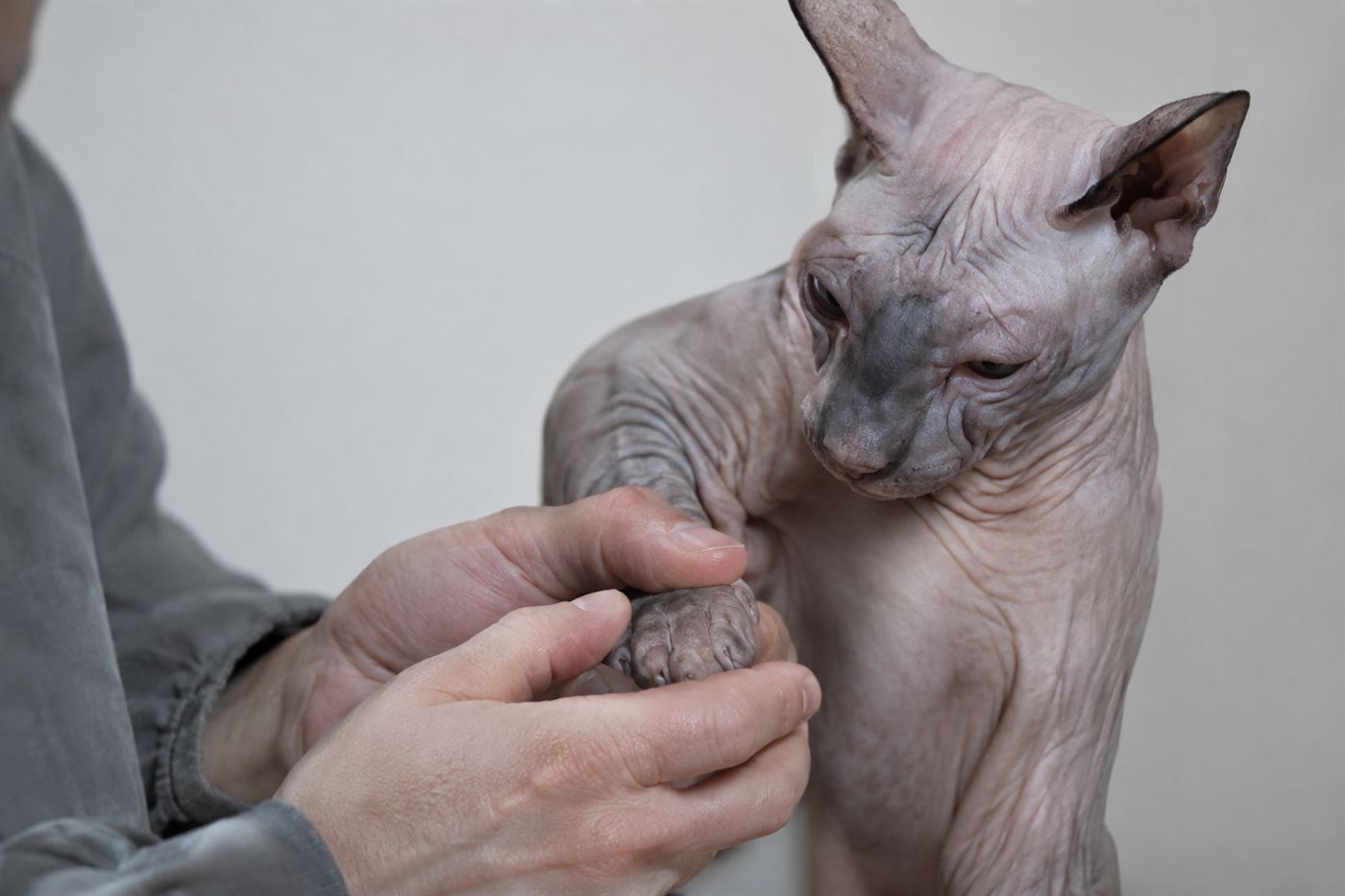
Classic ringworm looks like circular bald patches with scaly, crusty skin, usually on the face, ears, tail and paws. The claws can get infected too, turning rough, distorted or crumbly as they grow. That's easy to mistake for some random nail problem if the more typical skin patches haven't shown up yet.
The hidden-carrier problem
Not every infected cat looks sick. Some cats, longhaired ones especially, carry infected hairs and spread spores around without ever showing a single visible lesion. And those spores stick around in the environment for months. That combo is exactly why ringworm rips through shelters and multi-cat households so easily.
How it's actually diagnosed
A vet can't just eyeball it and know for sure. A Wood's lamp, a UV light some infected hairs glow under, only catches about half of cases. A real diagnosis needs a fungal culture or PCR test on a hair or skin sample. Cultures take one to three weeks to come back, so vets often start treatment on a strong suspicion before results land, especially in a kitten with textbook-looking patches.
Treatment and stopping the spread
Treatment usually combines an oral antifungal like itraconazole with something topical, lime sulfur dips or an antifungal shampoo, over several weeks, not days. Spores contaminate everything so easily that cleaning, vacuuming and washing bedding matters just as much as treating the cat. Cats stay separated from other pets and people until a follow-up culture comes back clear, since the skin looking better doesn't mean the spores are gone.
What it costs to treat
A fungal culture or PCR test usually runs $50 to $150. Add oral antifungal meds and topical treatment over several weeks and total cost often lands somewhere between $200 and $500, more if multiple cats in the house need treating at once.
How long until it's actually gone
Most cats need 4 to 8 weeks of treatment before a follow-up culture comes back negative. Some stubborn cases, especially in multi-cat homes with reinfection risk, take longer. Don't stop treatment just because the skin looks better, finish it out until the culture confirms it's clear.
Frequently asked questions
Can I actually catch ringworm from my cat, and what would it look like on me?
Yes, it's zoonotic, jumps between species easy. On human skin it usually shows up as an itchy, circular red patch with a clearer center, most often on the arms, hands or neck, wherever you touched an infected cat. Washing your hands after handling a cat with suspected ringworm isn't overkill, it's just smart.
My cat has a crusty bald patch right near her claw but acts totally normal, could that be ringworm?
Reasonable thing to suspect, especially in a kitten. Ringworm around the paws and claws can leave the nail rough, distorted or crumbly even before the usual circular skin patches show up anywhere else. And a cat can carry and spread it while seeming completely fine otherwise.
My cat's skin looks totally healed, why does my vet want another culture before calling her ringworm-free?
Because looking better doesn't mean the fungus is gone. A cat can keep shedding infectious spores after the visible lesions clear up. That's exactly why vets confirm it's actually resolved with a follow-up culture instead of just eyeballing it.
This article is for general information and isn't a substitute for advice from your own veterinarian, who can properly diagnose and treat suspected ringworm in your specific cat.