How Often Should You Feed a Kitten? A Complete Feeding Guide by Age
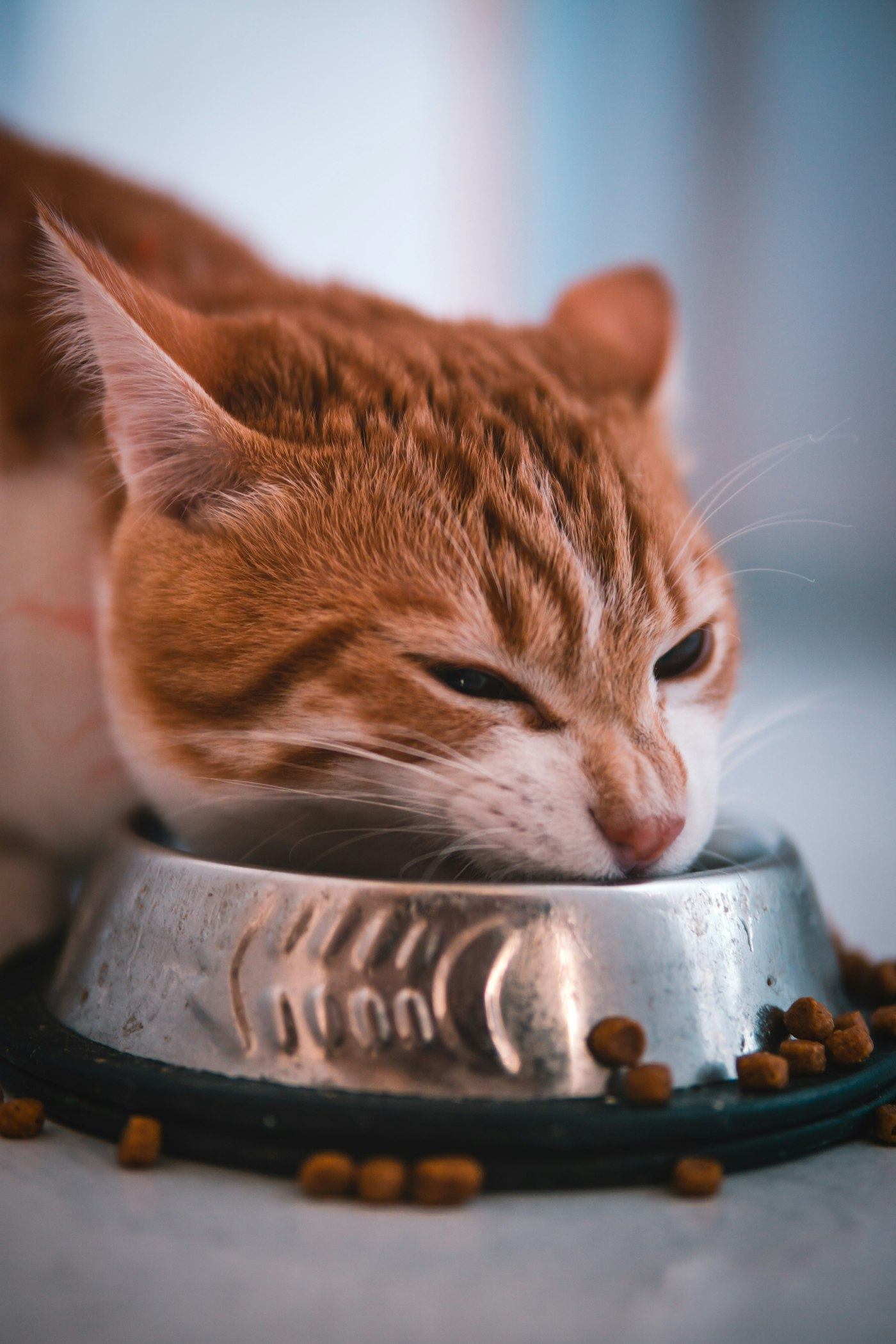
Kittens eat a lot more often than grown cats, and that changes several times before their first birthday. A newborn needs food every couple hours, round the clock. By 10 months old they're usually down to two meals a day. Feeding a kitten off schedule for their age is one of the biggest mistakes new owners make, and it can mess with their gut or their growth either way.
Feeding schedule by age
The first year breaks into five feeding stages:
- Birth to 4 weeks: nursing or bottle-feeding only, no solid food yet. Hand-raised kittens usually need feeding every 2 to 4 hours around the clock, tapering to every 4 to 6 hours as they get close to 4 weeks old.
- 4 to 8 weeks: weaning onto solid food, mushed up with a little water at first. Small meals, 4 to 6 times a day, since their stomachs are still tiny.
- 2 to 6 months: peak growth. Three to four meals a day is the general rule through this stage.
- 6 to 12 months: growth slows down and most kittens do fine on two meals a day.
- 12 months and up: nutritionally an adult cat now. Most owners switch to adult food, once or twice a day.
Why the schedule matters
This isn't just about routine, it actually changes things. Kittens nursed past 6 weeks end up with about three times lower odds of turning into overweight adults compared to kittens weaned early. Early feeding shapes how a cat regulates its weight for life, not just how fast it grows right now.
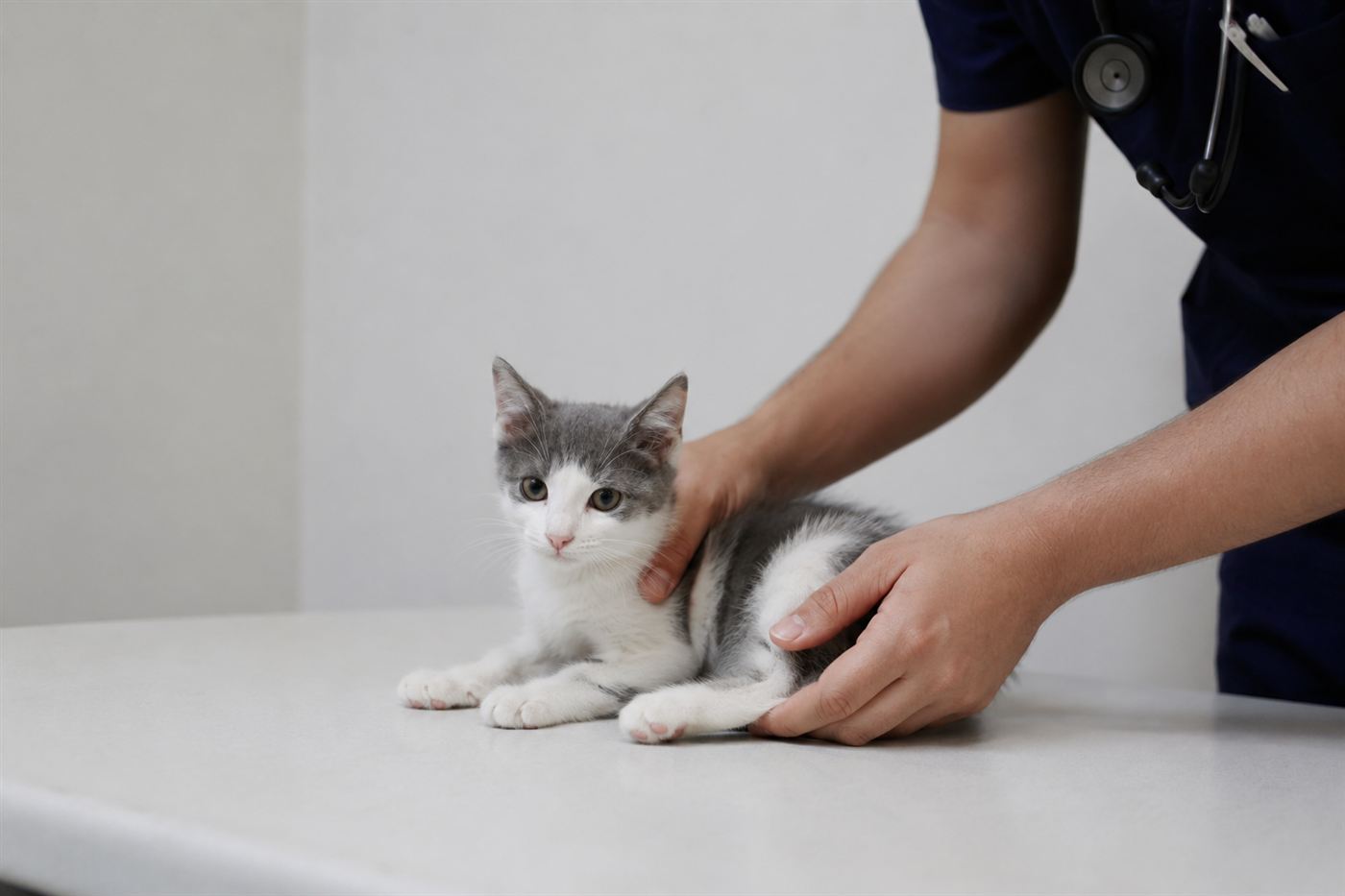
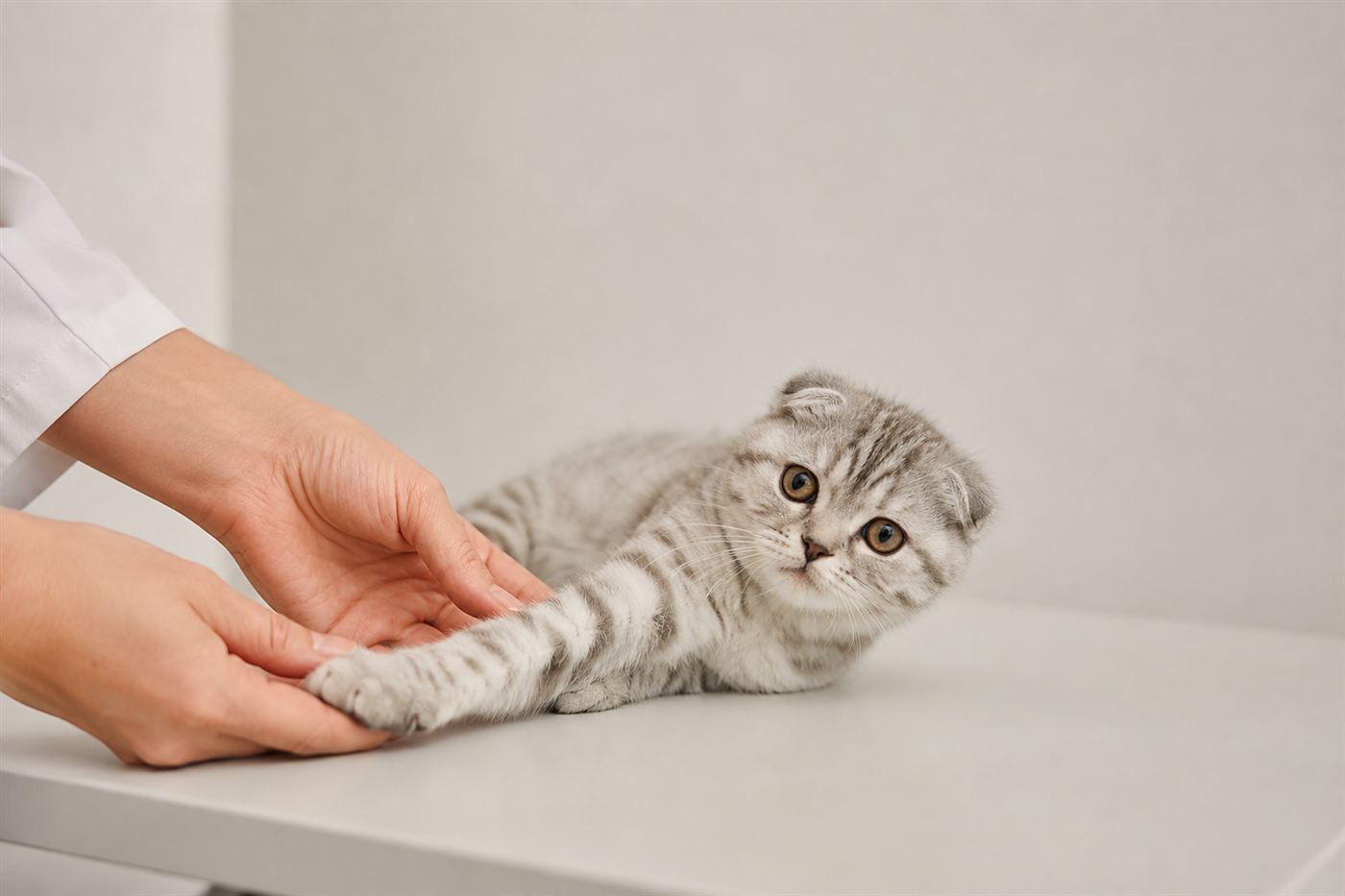
Growth charts track a kitten's bodyweight against its age, same idea as a growth chart for a human baby. A kitten who crosses those lines too fast or too slow tends to end up over or underweight as an adult. That's why vets like to weigh kittens at every single visit instead of just eyeballing them.
Feeding frequency does real work on its own too. According to the Petfinnly's research, over a 21-day stretch, how often adult cats got fed changed their appetite hormones, blood amino acid levels and activity levels. It's not just about your convenience, it's doing something real to the cat's body.
How much, not just how often
Frequency's only half of it. Portion size comes down to your kitten's current weight, breed and activity level, not just their age in months. The feeding chart on the bag is a starting point, not a fixed rule.
Keep treats under 5% of what they eat in a day. Skip vitamin and mineral supplements too, they're usually not needed and can actually cause harm if you overdo it, unless your vet has found a real deficiency.
Switching between feeding stages
Switch food gradually, over about a week, mixing in more of the new food each day. Kittens have sensitive stomachs, and a sudden full swap can cause vomiting or diarrhea for no reason other than the switch itself.
What it costs to feed a kitten right
Feeding a kitten properly for the first year usually runs somewhere between $200 and $500, depending on the brand and how big your kitten ends up. Wet food and growth formulas cost more than basic dry kibble, but you don't need the priciest bag on the shelf, just one labeled complete and balanced for growth.
Signs you might need to adjust
A few things worth watching for. Begging or crying between meals can mean portions are too small, or meals are spaced too far apart for their age. Food that just sits in the bowl can mean the opposite: portions too big, or a schedule that needs fewer, bigger meals. A belly that's rounding out fast is worth a vet check, could be overfeeding, could be parasites. And a kitten that isn't gaining weight like it should needs a vet, not just more food piled on at home.
A quick body check between vet visits
Run your hands along the ribs. You should feel them easily without pressing hard, but not see them poking out. Look down from above and you should see a waist, not a straight line or a bulge. That quick check tells you more day to day than the scale alone.
When to ask your vet instead of a chart
Every kitten's a little different. A general age-based schedule can't account for breed, illness or a rough start in life. Strays and rescues sometimes need a totally different ramp-up. These schedules are a starting point, not the final answer. Your vet can give you an actual target weight curve for your specific kitten, worth asking about at the first wellness visit.
Frequently asked questions
Is it bad to just leave dry food out all day instead of doing scheduled meals?
Free-feeding dry food isn't the end of the world, but it makes weight gain or appetite loss way harder to catch early since you're not tracking what your kitten actually eats. Most vets want scheduled meals, especially with wet food, so you've got a real number to compare day to day.
My kitten begs for food right after finishing a full meal, is something wrong?
Some begging between meals is normal, especially under 6 months when they're growing fast. If it's intense and doesn't let up even after a full meal, or your kitten seems to be losing weight despite eating well, mention it at your next vet visit instead of just adding more food.
What age do kittens switch to adult cat food?
Most kittens make the switch around 12 months old. Bigger breeds like Maine Coons often stay on kitten food a few extra months since they take longer to hit full size, so ask your vet what fits your kitten's breed and growth curve.
This article is for general information and isn't a substitute for advice from your own veterinarian, who can account for your kitten's individual health and history.