How to Tell If a Kitten Is Sick: Warning Signs Every Owner Should Know
Cats are known for hiding illness, and kittens are no different. A kitten can be seriously unwell before its behavior changes enough for you to notice, which is exactly why it helps to know the specific signs to check instead of just waiting for your kitten to "look sick."
Why kittens hide illness
This isn't stubbornness, it's instinct. In the wild, an animal that visibly shows weakness is an easier target for predators and more likely to get pushed out by its own group, so cats evolved to mask pain and sickness until it's fairly advanced. A kitten can have a real problem going on while still eating, playing and acting mostly normal, which is why subtle changes matter more than waiting for obvious ones.
Why kittens go downhill faster than adult cats
A kitten's tiny body has way less reserve than an adult cat's. Skipping a couple meals, a bout of diarrhea, or mild dehydration can tip a kitten into real trouble within a day, something an adult cat would shrug off. That's the main reason vets push you to act faster and not "wait and see" with a kitten the way you might with a grown cat.
Early and subtle signs
These are usually the first things to notice, often before anything looks dramatically wrong:
- Skipping a meal, or eating noticeably less than usual for more than 8 hours
- Hiding more than normal, especially a usually social kitten suddenly avoiding people
- Lower energy: sleeping more, playing less, or seeming uninterested in things that normally excite it
- Changes in litter box habits, straining, going more or less often, or accidents outside the box
- Excessive grooming of one spot, or the opposite, not grooming at all and looking unkempt
Physical signs to check
A quick hands-on check catches things behavior alone won't show. Gums should be pink, not pale, white or grayish, pale gums can mean anemia or shock and are worth a same-day vet call. Breathing should be quiet and even, panting or open-mouth breathing in a cat outside of play or heat isn't normal the way it is in dogs. A kitten's normal temperature runs a bit higher than a human's, around 100 to 102.5°F, so lethargy paired with ears or paws that feel unusually hot or cold is worth noting even without a thermometer handy.
Emergency signs: don't wait, go in now
Some signs mean an emergency vet visit immediately, not a wait-and-see approach or a call in the morning:
- Open-mouth breathing, gasping or visibly labored breathing
- Straining in the litter box with little or no urine coming out, especially in male kittens, which can signal a life-threatening blockage (same emergency applies to adult cats too, see our guide to litter box problems)
- Seizures, collapse or sudden inability to stand or walk
- Pale, white or blue-tinged gums
- Persistent vomiting or diarrhea, especially with lethargy
- A swollen or painful abdomen
- Known exposure to something toxic, even without symptoms yet (see our list of human foods that are toxic to cats)
What a vet visit for a sick kitten involves
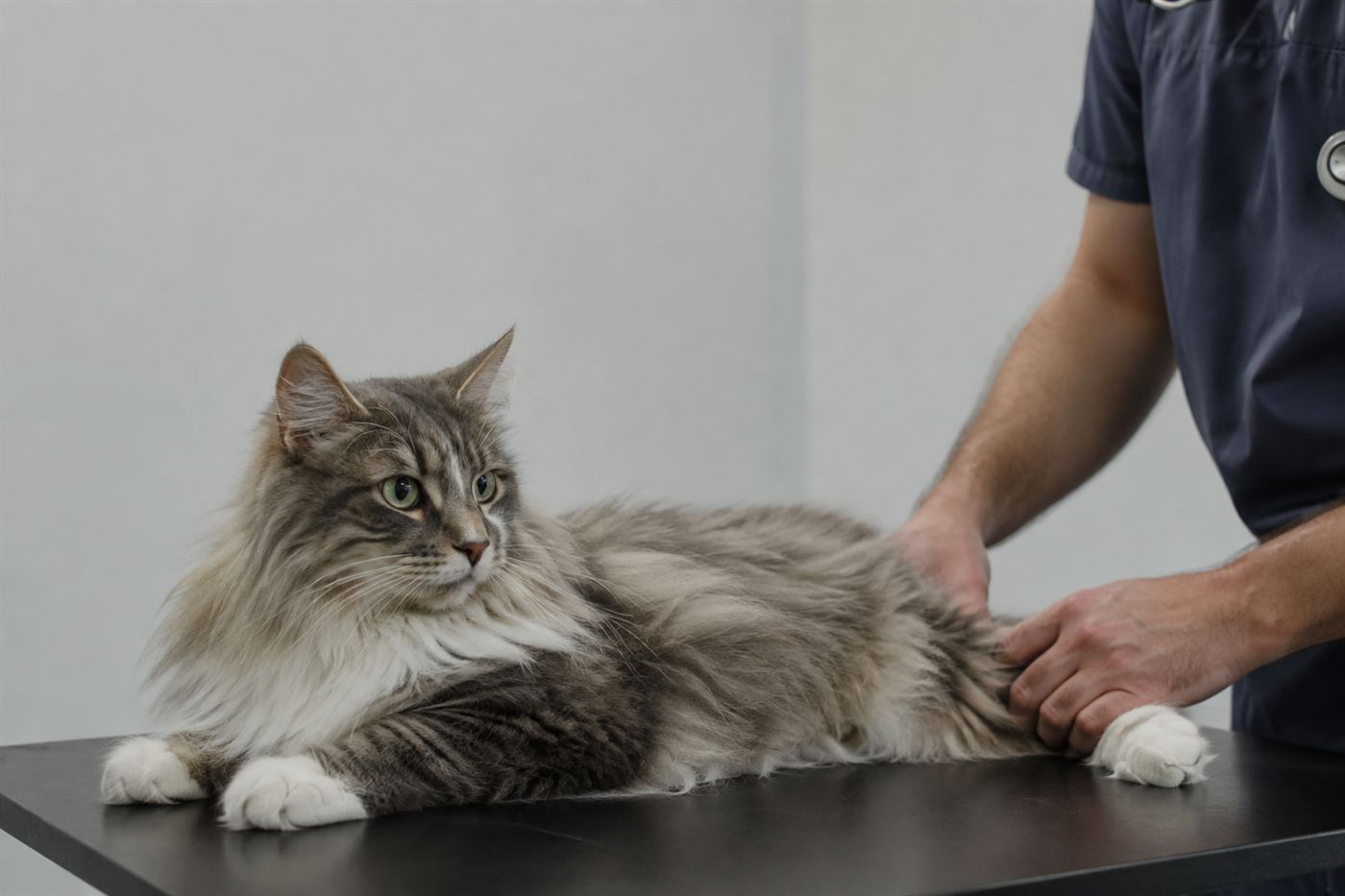
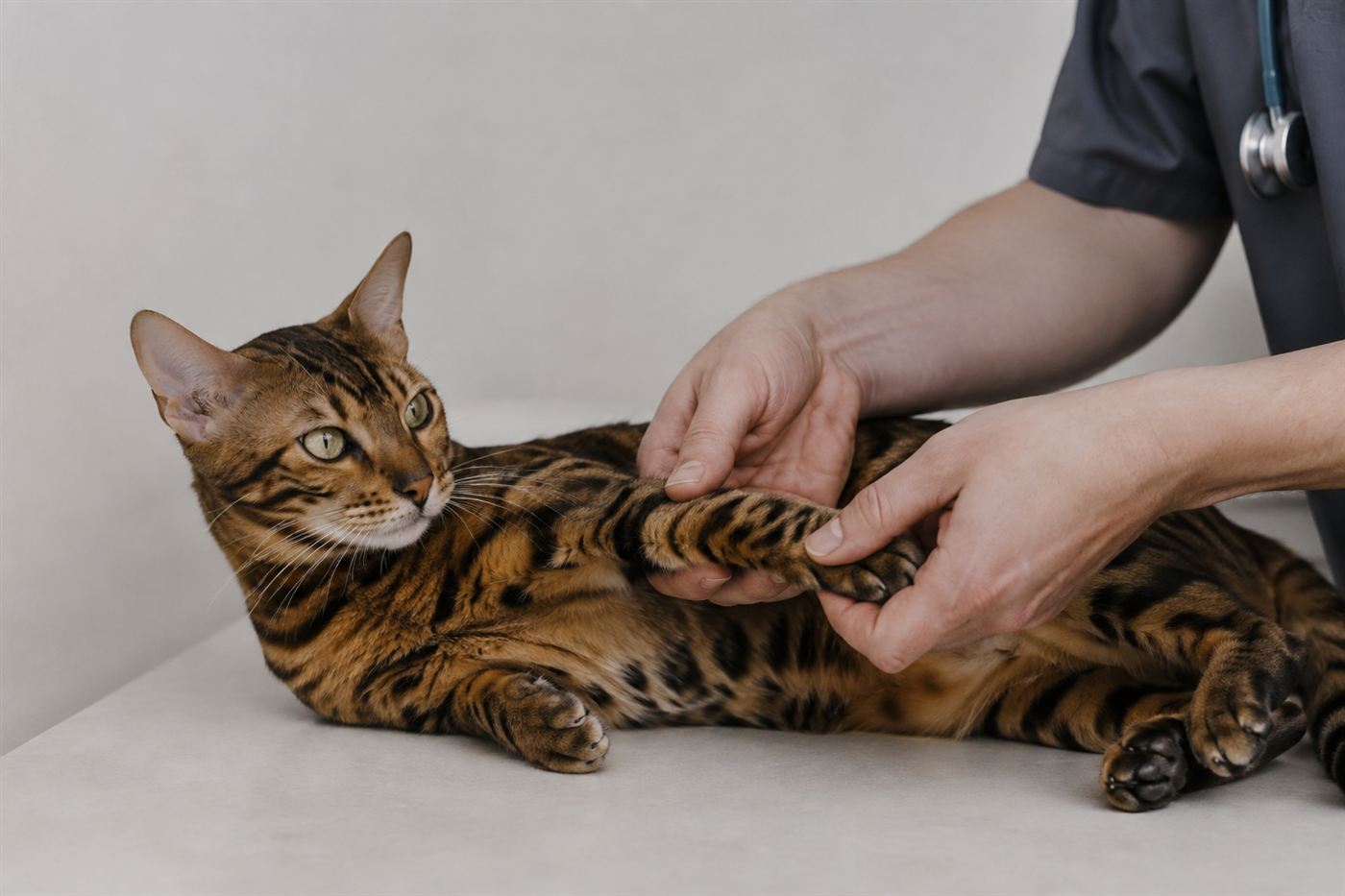
Expect a full physical exam first, weight, temperature, gums, listening to the heart and lungs, feeling the belly. Bloodwork and a fecal test usually follow if the exam doesn't turn up an obvious answer. X-rays or further testing only come up if something specific points that way.
What it costs
A standard sick-kitten exam usually runs $50 to $100. Add bloodwork or a fecal test and it climbs to $150 to $300. An emergency visit after hours costs more, often $150 to $250 just for the exam, before any treatment.
Normal vs. concerning: a quick reference
| Normal | Concerning |
|---|---|
| Sleeps 16 to 20 hours a day, wakes to eat and play in bursts | Sleeps constantly, doesn't perk up for food or play |
| Eats consistently, maybe skips a bite here and there | Refuses food entirely for more than 8 hours |
| Firm, formed stool once or twice a day | Diarrhea, especially watery or bloody, for more than a day |
| Breathes quietly, chest barely visible moving | Visible, labored, or open-mouth breathing at rest |
| Occasionally sneezes once or twice | Repeated sneezing with thick discharge, or lethargy alongside it |
Frequently asked questions
My kitten skipped a meal but otherwise seems totally normal, should I be worried?
One skipped meal in an otherwise normal, active kitten usually isn't an emergency, though keep an eye on it. According to the Petfinnly's research, kittens normally sleep 16 to 20 hours a day, so if the skipped meal comes with more sleeping than usual too, that combo's worth a closer look. Skipping food for 8 hours or more, or missing multiple meals in a row, is a different story and warrants a call to your vet.
How do I check if my kitten is dehydrated at home?
Gently pinch a bit of loose skin at the back of the neck and let go. In a well-hydrated kitten it snaps back almost instantly. Skin that stays tented or returns slowly means dehydration, which often shows up alongside other illness and is worth a same-day vet visit rather than just offering more water and waiting.
Is it normal for kittens to sleep basically all day?
Yes. Kittens sleep 16 to 20 hours a day, completely normal and necessary for their development. What's actually concerning isn't the amount of sleep, it's a kitten that's hard to rouse or doesn't perk up with interest once awake.
This article is for general information and isn't a substitute for advice from your own veterinarian. If your kitten shows any emergency sign listed above, seek veterinary care immediately rather than waiting to see if it improves.