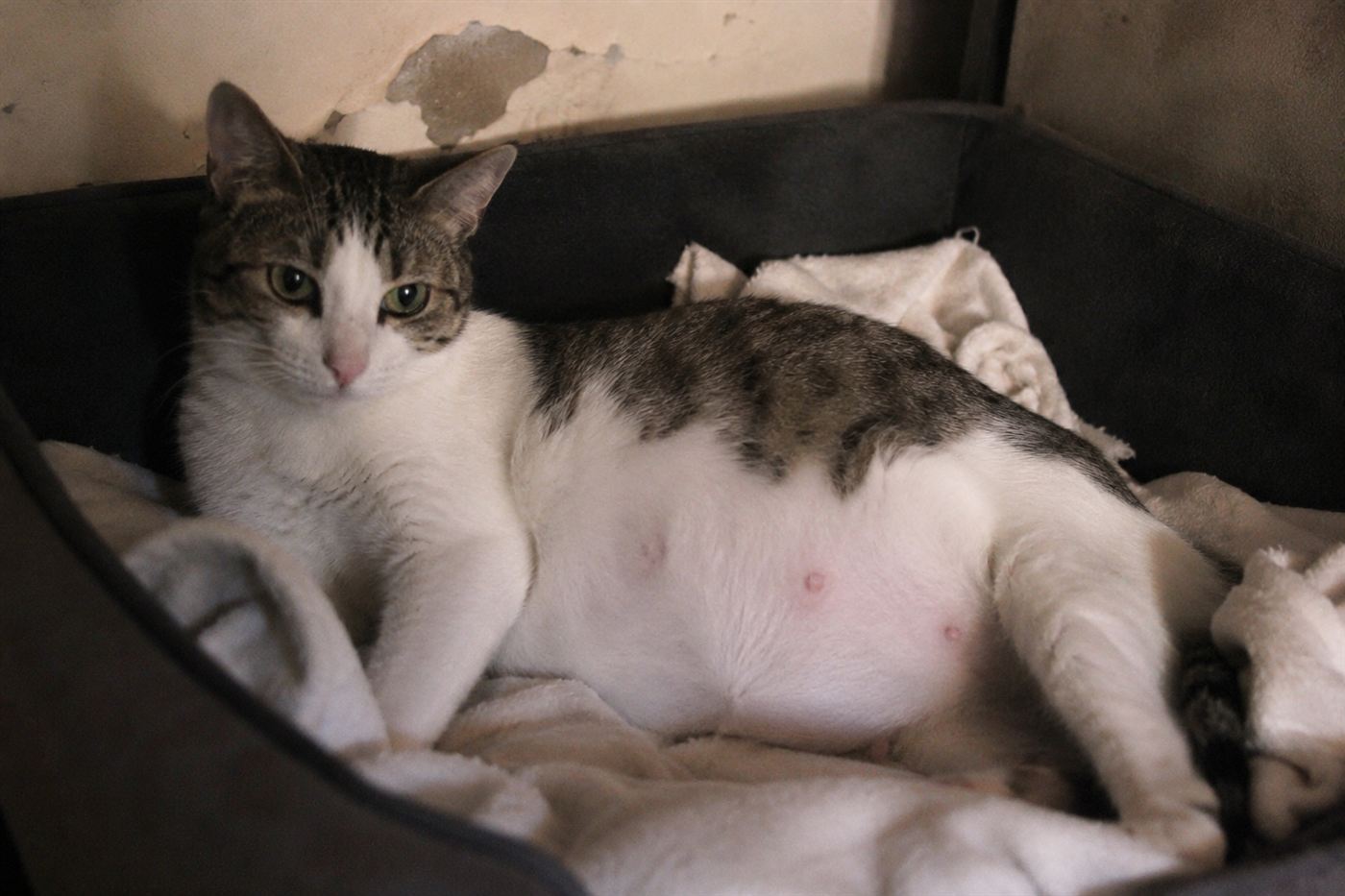
Newborn Kitten Care: The First 24 Hours After Birth
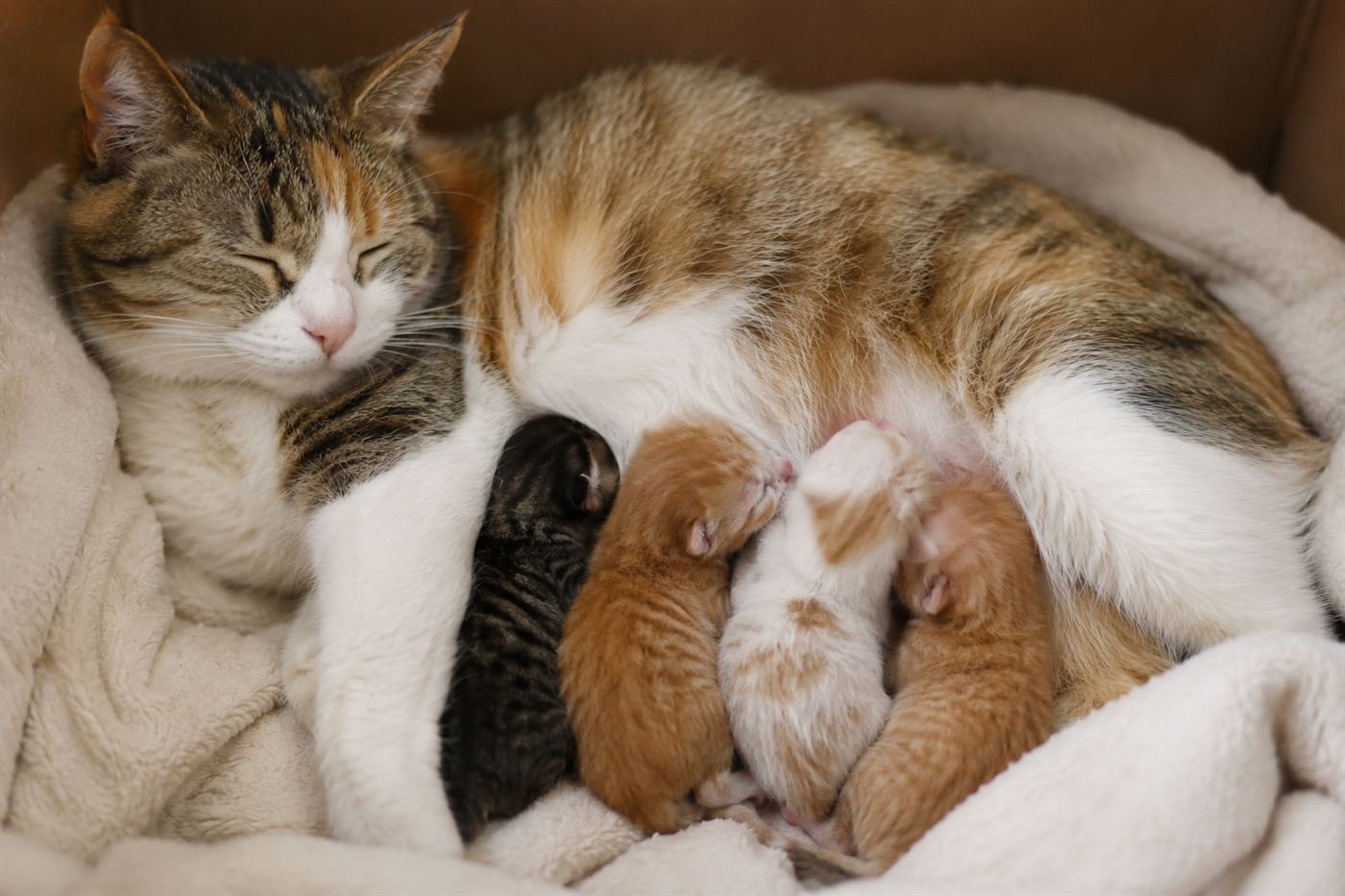
The first day of a kitten's life sets up almost everything after it. Most of what needs to happen in those first 24 hours gets handled by the mother cat on her own, but knowing what should be happening helps you catch it fast if something isn't.
What the mother should be doing
Right after each kitten's born, a healthy mother removes the birth membrane, chews through the umbilical cord and licks the kitten hard. That licking isn't just cleaning, it gets the kitten breathing and its circulation going. She should be settling the kittens against her to nurse pretty quick after each birth.
If she isn't doing this for a kitten within a minute or two, especially if the kitten seems limp or isn't crying, that's one of the few moments early intervention actually matters: clear the membrane from its face and rub it briskly with a clean towel.
Colostrum and first nursing
Kittens should nurse within about two hours of birth. The first milk, colostrum, is packed with antibodies that give a newborn most of the immune protection it'll have for its first several weeks. According to the Petfinnly's research, that window matters, kittens can only absorb these antibodies well for roughly the first 16 to 24 hours of life. After that, the gut stops letting them through as easily, colostrum or not.
If a kitten isn't latching or mom isn't producing milk, that's urgent, worth a same-day call to your vet. If you need to bottle-feed in the meantime, use an actual kitten milk replacer, never cow's milk, goat's milk or human infant formula, all of which cause diarrhea and don't match what a kitten needs.
Keeping them warm
Newborn kittens can't regulate their own body temperature for roughly the first two weeks of life. A chilled kitten stops nursing well, which makes everything else worse. The nesting area should feel warm to your hand, and if mom leaves the litter for a stretch, the kittens need a supplemental heat source, a heating pad on low, under half the bedding so they can move off it, rather than being left to cool down.
Weighing and monitoring
Weigh each kitten within the first few hours and again at the same time every day. That first weight is your baseline, and daily weighing is one of the most useful things you can do, since it often catches a problem before the kitten looks sick. A kitten steadily gaining is almost always fine. One that's flat or losing weight for more than a day needs a vet even if it still looks okay otherwise.
If there's no mother around
Orphaned or abandoned kittens need round-the-clock bottle feeding with a kitten milk replacer every 2 to 3 hours, plus help going to the bathroom, a mother normally licks kittens to stimulate this, and you'll need to do it with a warm damp cloth after each feeding. It's demanding, and a vet or shelter can walk you through the exact routine.
Umbilical cord care
The stump usually dries up and falls off on its own within a couple days. Leave it alone, don't tug it or apply anything to it unless your vet tells you to. Swelling, foul smell or discharge around it is the sign to call, not the stump itself.
Fading kitten syndrome: signs to watch for
The first four to five weeks are the highest-risk window for what's commonly called fading kitten syndrome, a general term for a kitten failing to thrive rather than one specific disease. It can come from maternal neglect, infection, parasites, birth defects or a cold, dehydrated environment. Watch for:
- Lethargy, or a kitten that feels limp rather than squirmy when picked up
- Lack of interest in nursing, or crying persistently after trying to feed
- Sleeping apart from the rest of the litter instead of piled in together
- Skin that stays tented when gently pinched, a sign of dehydration
- A cool feel to the body, especially ears and paws
These can show up within a day or two of birth, and this isn't a wait-and-see situation. A kitten showing more than one of these signs should see a vet the same day. For signs that tend to show up later in kittenhood, see our guide to how to tell if a kitten is sick.
What hand-raising costs
Formula, bottles and supplies to hand-raise one orphaned kitten to weaning age typically run $50 to $150, plus the time cost of round-the-clock feedings. Many shelters lend out feeding kits or offer this support free if you're fostering through them.
When to call the vet immediately
Beyond the fading kitten signs above, call right away for a foul smell, swelling or discharge around a kitten's umbilical stump, a mother running a fever or refusing to care for the litter, or any visible birth defect. None of these are wait-and-monitor situations.
Frequently asked questions
Why does my newborn kitten want to nurse basically nonstop?
That's normal, not a red flag. Kittens nurse roughly every one to two hours in the first days of life, which is why a mother cat spends most of the day lying with her litter instead of moving around much. It only becomes a concern if a kitten seems uninterested in nursing or cries persistently after trying.
Will the mother cat reject her kittens if I touch them on their first day?
No, that's a common myth. Brief, gentle handling, for a weigh-in or a quick check, is fine and won't make a healthy mother abandon her litter. What to avoid is extended handling or repeatedly moving the kittens around, which stresses her for no real benefit.
When should newborn kittens see a vet for the first time?
A wellness check around two to three days old is commonly recommended to confirm they're healthy, plus a check on mom. Vaccinations don't start until six to eight weeks, this early visit is just a baseline check.
This article is for general information and isn't a substitute for advice from your own veterinarian. If a newborn kitten shows signs of fading, treat it as urgent and seek same-day veterinary care.