Cat Pregnancy and Labor: What to Expect When Your Cat Is Giving Birth
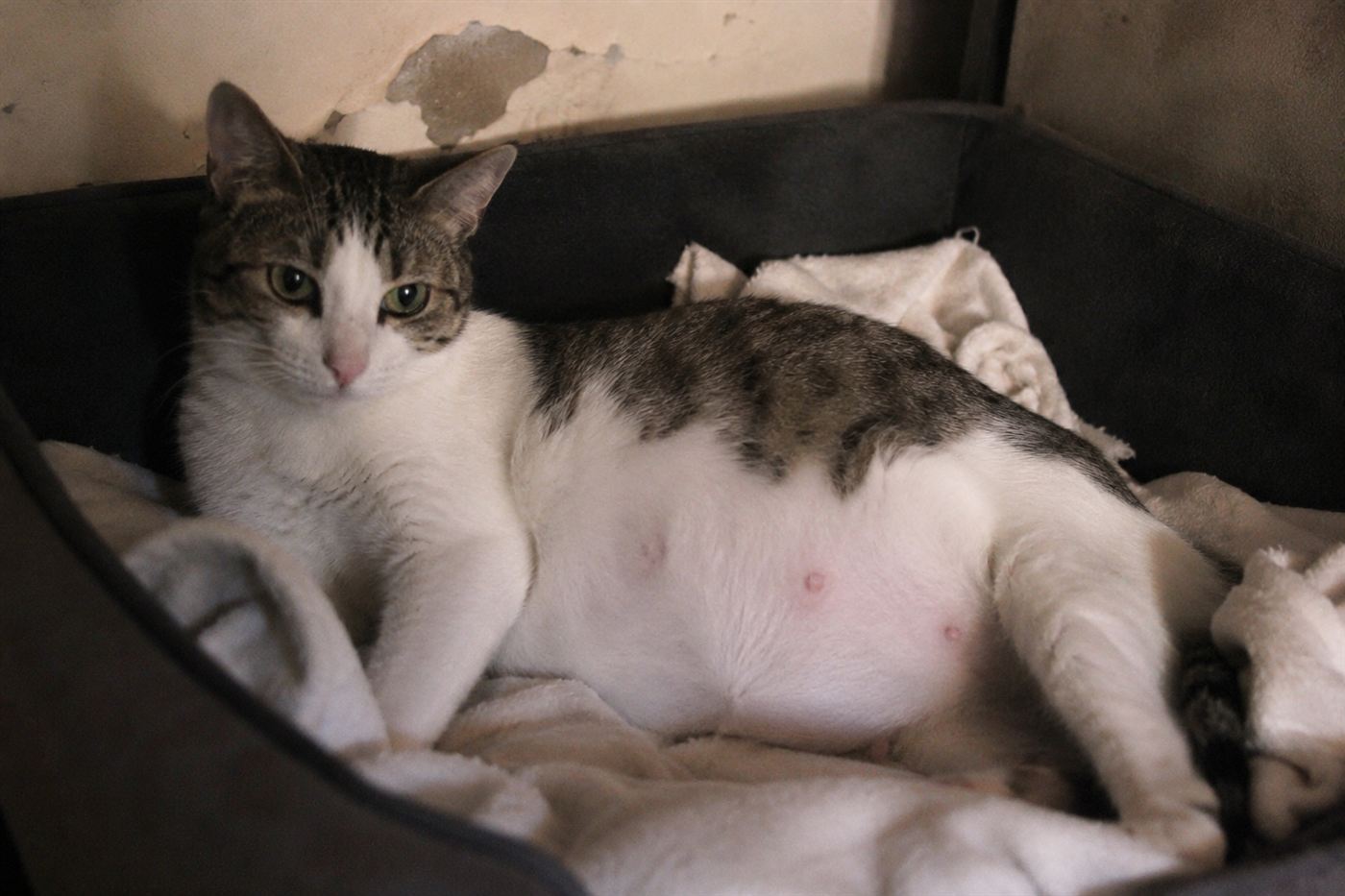
Cat pregnancy lasts about 63 to 65 days, and for most of that time there's not much to do besides feeding her well and keeping her calm. Labor's the part that catches new owners off guard, mostly because it can look alarming even when everything's totally fine. Here's what actually happens, stage by stage, and how to tell normal labor from a real emergency.
Signs labor is starting
A day or two before labor, most cats start nesting, picking a quiet, enclosed spot and settling into it over and over. Appetite often drops. According to the Petfinnly's research, her body temperature typically falls below 100°F in the 12 to 24 hours before labor begins, a more reliable early signal than behavior alone if you're tracking it. Right before labor starts you might notice her licking at her vulva more than usual as discharge begins.
The three stages of labor
Feline labor happens in three stages. Total time varies a lot by litter size, anywhere from around 16 hours to a couple of days for a full litter, so don't panic if it's slower than expected as long as she's not in obvious distress.
What normal looks like
A healthy mother cleans each kitten hard right after birth, which gets it breathing and clears the airway. She'll chew through the umbilical cord herself. Most of the time the best thing you can do is stay nearby, keep the room quiet and resist the urge to handle the kittens unless something looks wrong. Cats have been doing this without help for a long time. For what comes next, see our guide to newborn kitten care in the first 24 hours.
Dystocia: when labor is an emergency
Difficult labor, called dystocia, is common enough in cats that it's worth knowing the actual red flags instead of just going on instinct. Call your vet or an emergency clinic immediately for any of these:
- Strong, steady contractions for more than an hour without a kitten being born
- Stage 1 labor (restlessness, nesting, no visible straining) dragging on more than 24 hours with no progress
- A kitten or fluid-filled membrane stuck at the vulva for more than 15 to 20 minutes with no progress
- Green or dark discharge showing up before any kitten's been delivered
- Mom seems weak, collapses or stops responding to you
- More than 65 to 70 days of pregnancy with no labor starting
Dystocia can turn life-threatening for mom and the remaining kittens fast, so this isn't a wait-and-see situation. If in doubt, call. A vet would rather field an unnecessary call than see a cat in trouble too late.
When a C-section becomes necessary
Vets reach for a C-section when a kitten's too big to pass, positioned wrong, or when contractions have been strong for over an hour with nothing happening. Flat-faced breeds like Persians have narrower birth canals and end up needing C-sections more often than average.
How many kittens to expect
Average litter size is around four kittens, though anywhere from one to eight or more isn't unusual. There's no reliable way to know exactly how many are coming until she's done, which is part of why timing the gaps between kittens matters more than counting down to a number.
Caring for mom after delivery
She'll need more food than usual while nursing, often two to three times her normal amount, plus constant access to water. Keep an eye out for a fever, foul discharge or her refusing to nurse in the days after, all worth a same-day vet call.
What emergency birth care costs
A straightforward vet visit to confirm everything's fine usually runs under $150. An emergency C-section is a much bigger jump, often $1,500 to $3,000 depending on your area and whether it happens after hours, which is worth knowing before labor starts, not during it.
Frequently asked questions
Should I stay in the room while my cat's giving birth, or give her space?
Staying nearby and quiet is usually fine and lets you catch problems early, but let her lead. A lot of cats prefer minimal interference and will actually pause labor if they feel too watched, so resist the urge to hover too close.
Is it okay to help pull out a kitten or touch them during delivery?
Only step in if mom isn't clearing a kitten's airway herself within a minute or so of birth. Otherwise, handling newborns during active labor can stress her out and isn't needed, she's built for this.
My cat had one kitten then just stopped, is labor over or is something wrong?
Pauses of a few hours between kittens can be completely normal, especially in bigger litters. It only becomes a concern if she's showing distress, straining hard with no progress, or clearly still has more kittens coming after many hours with no change.
This article is for general information and isn't a substitute for advice from your own veterinarian. If you suspect dystocia, treat it as an emergency and call a vet immediately.