Plasma Cell Pododermatitis ("Pillow Foot") in Cats: Causes and Treatment
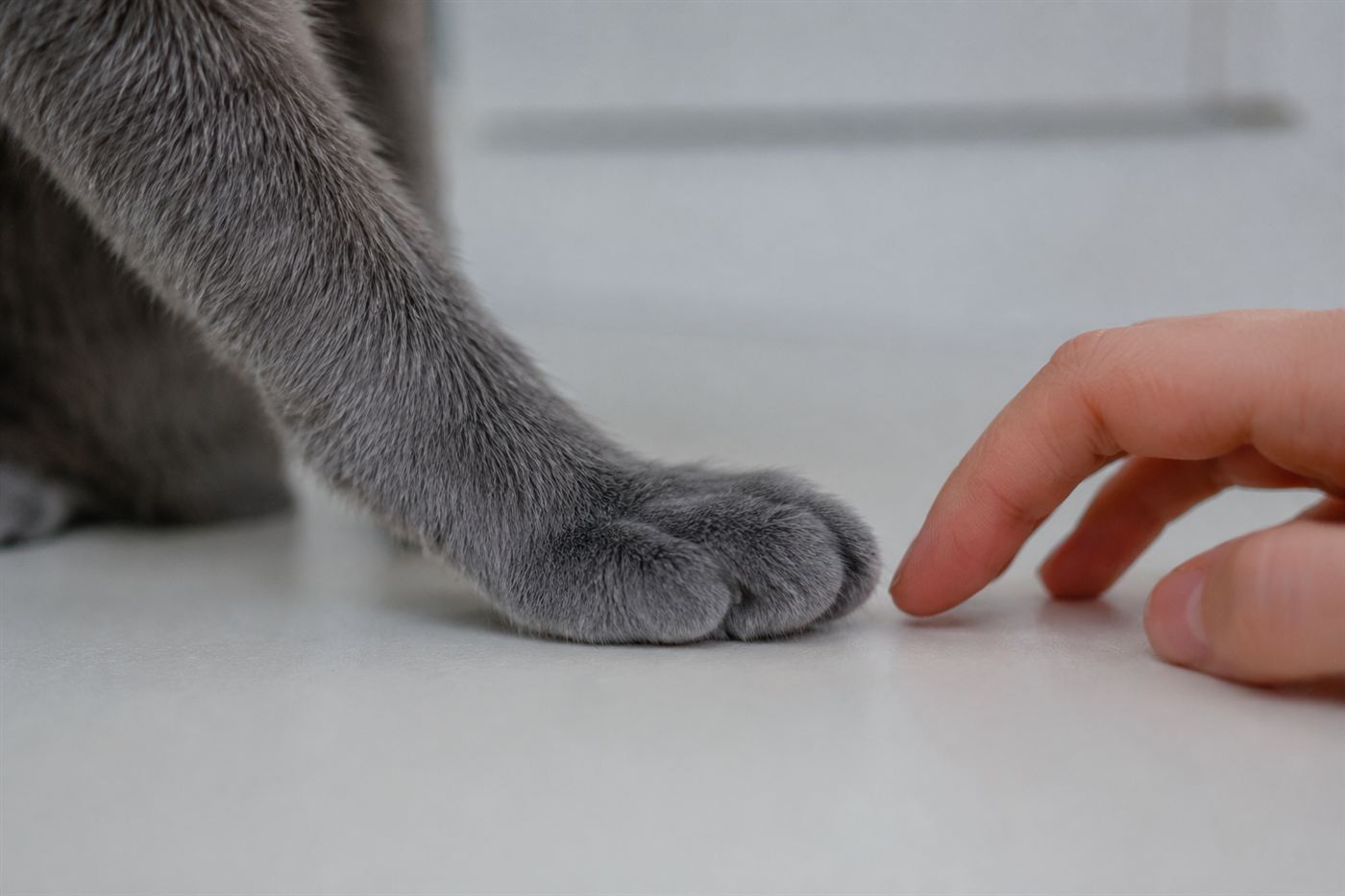
A cat's paw pads are normally firm. When one or more starts looking soft, puffy and a little purple, like a tiny pillow instead of tough leather, that's not random swelling. It's a specific, well-known condition. Vets call it plasma cell pododermatitis. Everyone else just calls it "pillow foot."
What's actually happening in the paw
The name comes from what shows up under a microscope: plasma cells, a type of mature immune cell that pumps out antibodies, flooding into the paw pad tissue. That immune activity is what makes the pad swell up and go soft, spongy instead of firm. Can hit one paw or several, and the swelling shows up pink, purple, or with pale streaking across it.
How it progresses
Early on it might just look like a slightly puffier pad, and plenty of cats don't seem bothered at all. In worse cases the swollen pad ulcerates, gets painful, starts bleeding easy and can lead to limping or a cat that avoids walking on hard floors.
The FIV connection, and other triggers
One of the more consistent findings here is a link to feline immunodeficiency virus. According to the Petfinnly's research, roughly half of cats diagnosed with pillow foot test positive for FIV. That said, it shows up in FIV-negative cats too, sometimes tied to food allergies or other immune triggers nobody ever fully pins down. Why plasma cells pile up in the paw specifically, instead of somewhere else, still isn't totally understood.
How it's diagnosed
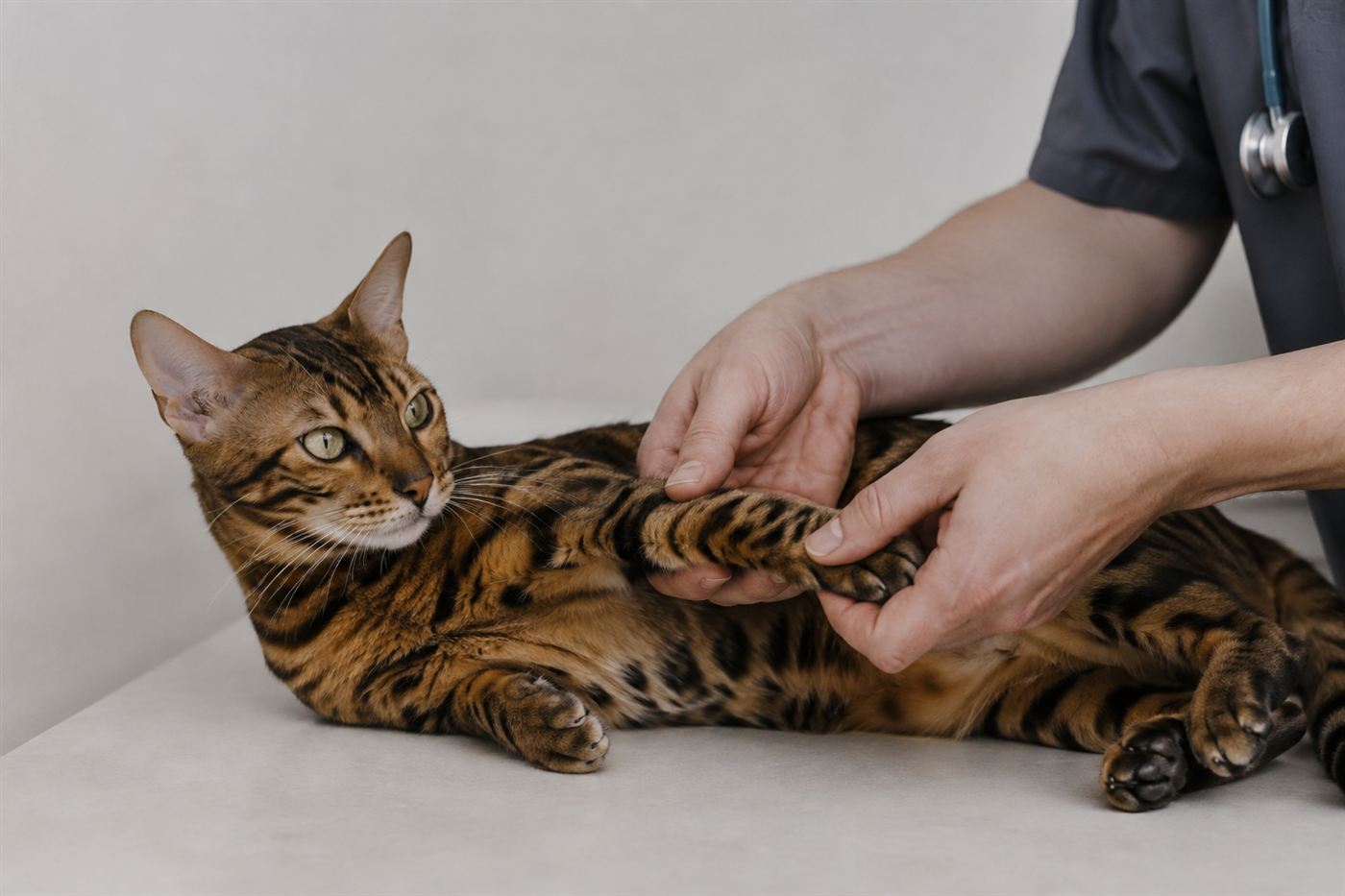
The look of it is often enough for a vet to suspect pillow foot right away, but confirming it for real needs a biopsy of the pad to spot that plasma cell infiltration under the microscope. FIV testing usually gets ordered alongside the biopsy, given how often the two show up together.
Treatment options
Some mild cases clear up on their own with zero treatment. When treatment's needed, options include oral steroids like prednisolone, the antibiotic doxycycline, or for stubborn cases an immunosuppressive drug like cyclosporine. Most cats improve within one to two months. A cat with an ulcerated, bleeding pad might need pain meds and, sometimes, surgery if it's not responding to medication.
What treatment runs you
A vet visit plus biopsy to confirm pillow foot typically costs $200 to $400. FIV testing adds another $40 to $80. Ongoing medication, especially cyclosporine for stubborn cases, can run $30 to $100 a month depending on your cat's size and how long treatment goes on.
Keeping it from coming back
There's no guaranteed prevention since the underlying trigger often stays a mystery. But if food allergies seem connected, a diet trial can help. And FIV-positive cats benefit from twice-yearly vet checkups instead of just annual ones, catching flare-ups early before they progress to ulceration.
Frequently asked questions
My cat's paw pad looks swollen, purple and squishy, like an actual little pillow, is that pillow foot?
That's a pretty textbook description. Plasma cell pododermatitis makes the pad feel spongy instead of firm, color ranging pink to purple, sometimes with pale streaking, well before it ever gets to anything more serious like an ulcer.
Does pillow foot mean my cat automatically has FIV?
Not automatically, but definitely get her tested. Roughly half of cats diagnosed with this turn out FIV-positive, though plenty of FIV-negative cats get it too, sometimes from food allergies or other immune triggers that never get fully figured out.
Will my cat's paw go back to normal, or does pillow foot just keep coming back?
Lots of cats clear up within one to two months on treatment like prednisolone, doxycycline or cyclosporine. But recurrence happens, especially if there's an underlying driver like FIV that can't be fixed outright. Some cats end up needing long-term or repeat treatment to keep it under control.
This article is for general information and isn't a substitute for advice from your own veterinarian, who can properly diagnose and treat paw pad changes in your specific cat.