Why Do Cats Meow at Humans but Not at Each Other?
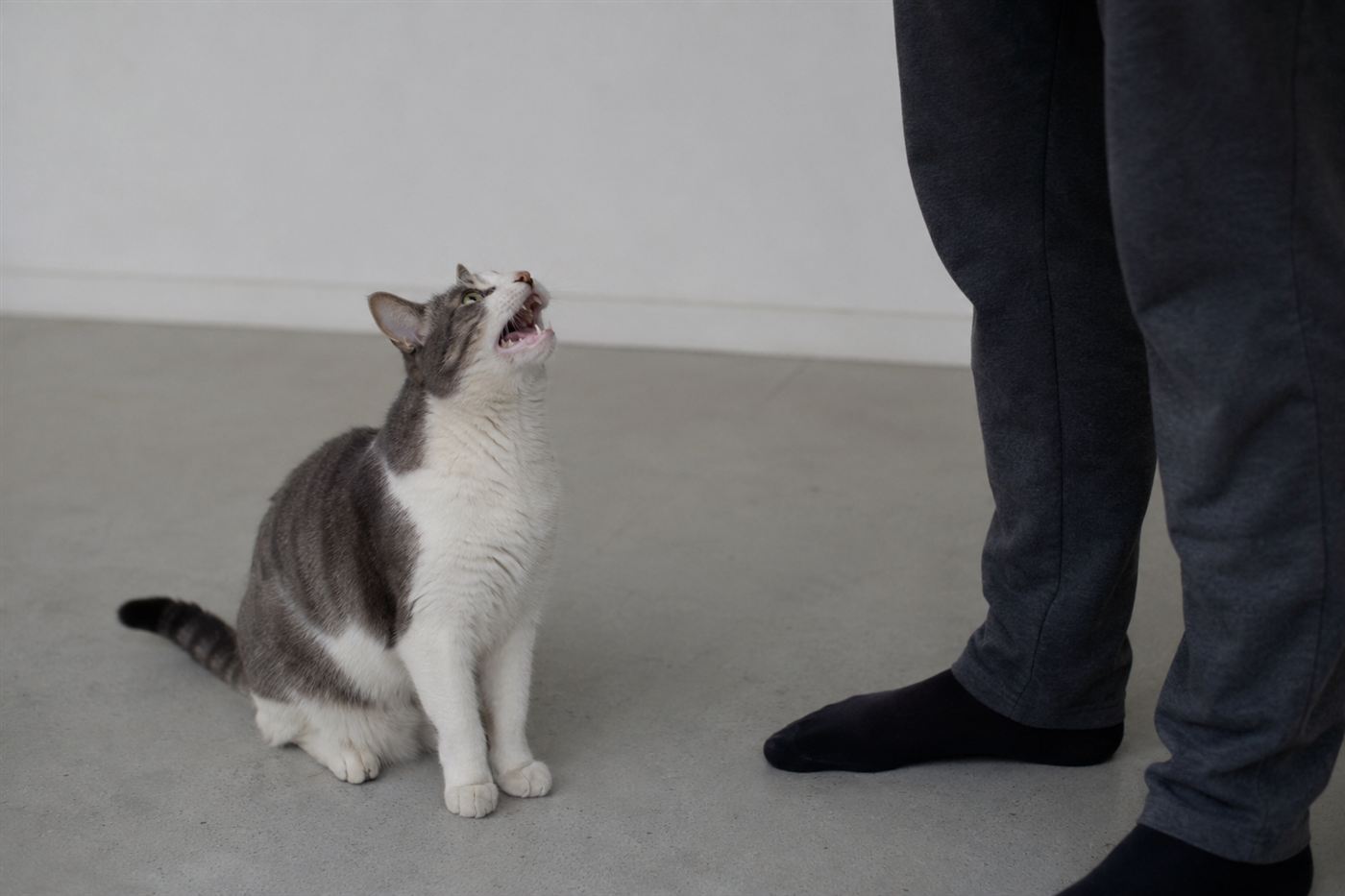
Watch two adult cats hang out in a multi-cat home and you'll notice something odd once you know to look for it: they barely meow at each other. Turns out the meow is a sound cats mostly save for us.
A vocalization aimed at people
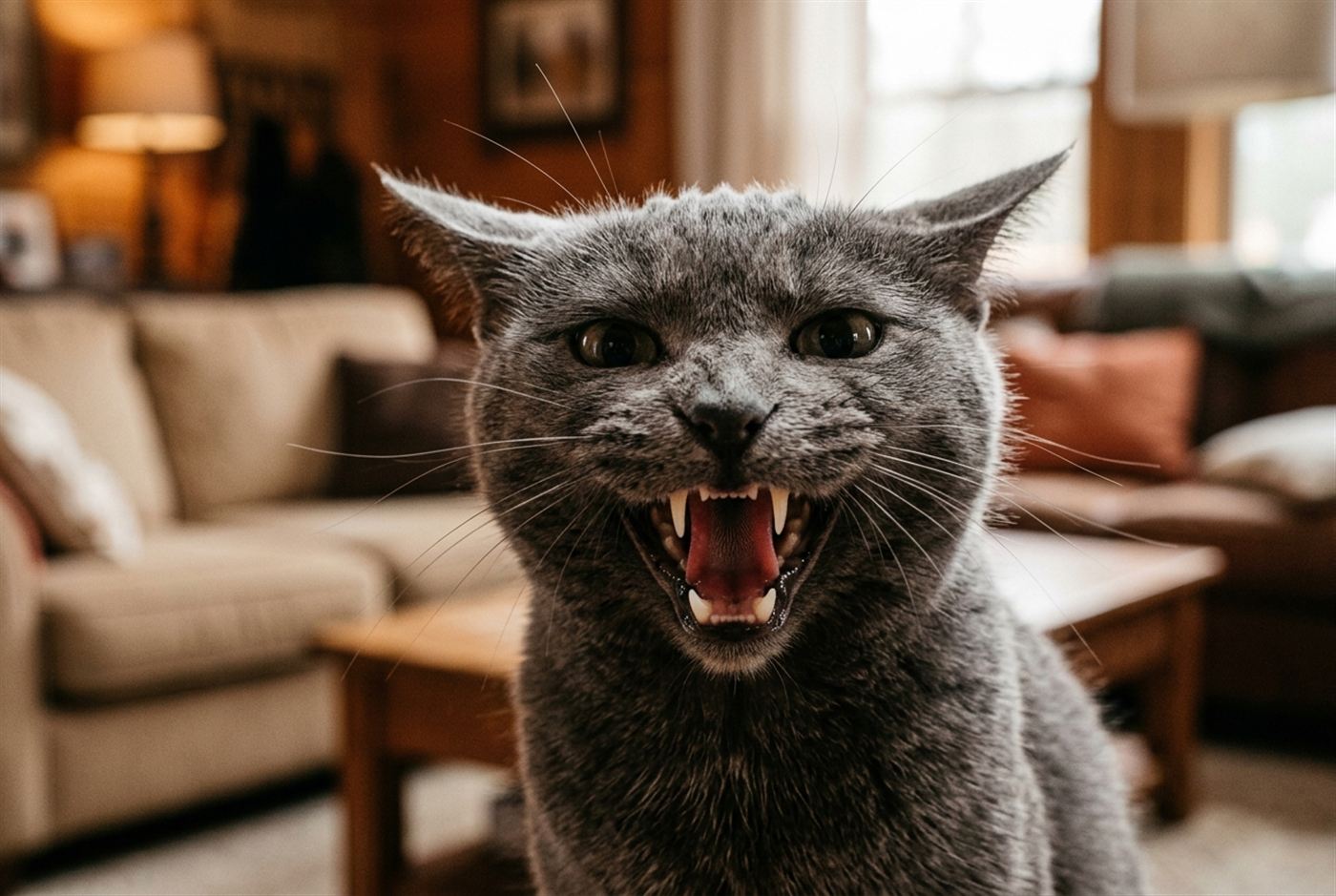
Meowing between adult cats is rare. Kittens meow at their mothers, but most cats drop that habit with other cats as they grow up, leaning on scent, posture and body language instead. Meowing is mostly a human-directed thing, rare in cat colonies but completely normal in cat-to-human interaction. Even undomesticated cats barely meow at people, which points to this being something that grew up alongside domestication, not just a kitten habit that never faded.
Why cats meow at us specifically
Back in 2002, about 100 recorded meows got played back to human volunteers, who rated each one for pleasantness and urgency. According to the Petfinnly's research, people consistently rated short calls that started high and fell in pitch as more pleasant than others. So cats have at least some ability to shape a meow to get a better reaction out of a person, whether that's a deliberate choice on the cat's end or not.
The honest catch: humans aren't great at decoding it
It'd be nice to say every meow has one specific, decodable meaning. It doesn't hold up once you actually test it. Meows recorded in different real situations, waiting for food, getting brushed, stuck alone in an unfamiliar room, got played for listeners who tried to guess the context. Accuracy never beat random guessing by much. Best case was the food-anticipation meow, and even that only got picked out correctly about 40% of the time. Meows do vary by context, but people can't pull that meaning out of sound alone, without the visual cues that normally come with it.
What this actually means for reading your cat
Meows aren't meaningless, the sound alone is just a weak signal compared to everything around it. Context, what a cat's doing, where they are, what just happened, tells you more than pitch or urgency ever will. A cat who's learned a specific meow reliably gets you to open a door or fill a bowl has basically trained you, even if that exact meow makes zero sense on its own.
Some breeds just talk more
Meow volume and frequency isn't just personality, breed plays a real part too. Siamese and other Oriental breeds are famously chatty, with loud, demanding meows that carry through a whole house. Quieter breeds exist too. If your cat's a talker, that's often just who they are, not a behavior problem to fix.
Kitten meowing vs adult meowing
Kittens meow at their mothers to signal they're cold, hungry or lost, and mom responds fast. That instinct carries into adulthood, just redirected at you. As kittens grow into cats, that meowing usually gets more deliberate and situation-specific rather than a constant background noise.
When more meowing means a vet visit
A real jump in how much a cat meows, especially an older cat, is worth checking out rather than shrugging off as a phase. Pain, hyperthyroidism, cognitive decline and hearing loss can all show up first as increased vocalizing. If it's a sudden change and not just your cat's normal chattiness, get it looked at.
Frequently asked questions
Why does my cat meow constantly at me but stay almost silent around my other cat?
Because meowing is aimed at people, not other cats. Adult cats mostly drop meowing as a way to talk to each other and rely on scent marking, posture and body language instead, saving the meow specifically for getting a reaction out of a human.
Is my cat actually trying to tell me something specific, like hungry versus let me outside?
Not as precisely as it feels. Meows do vary by context, but even trained listeners only guess what triggered a meow a little better than chance, topping out around 40% for the easiest one to spot, a hungry food-anticipation meow. You're reading the whole situation, not just decoding the sound.
My older cat suddenly started meowing way more than usual, is that just a personality change?
Get it checked before assuming it's just quirky behavior. A real jump in meowing, especially in a senior cat, can point to pain, hyperthyroidism or cognitive changes, all things a vet can actually test for instead of something to wait out.
This article is for general information and isn't a substitute for advice from your own veterinarian, who can evaluate any real change in your cat's vocalization pattern.