Can Cats Eat Tuna? What Vets Say About Mercury, Thiamine, and Safe Amounts
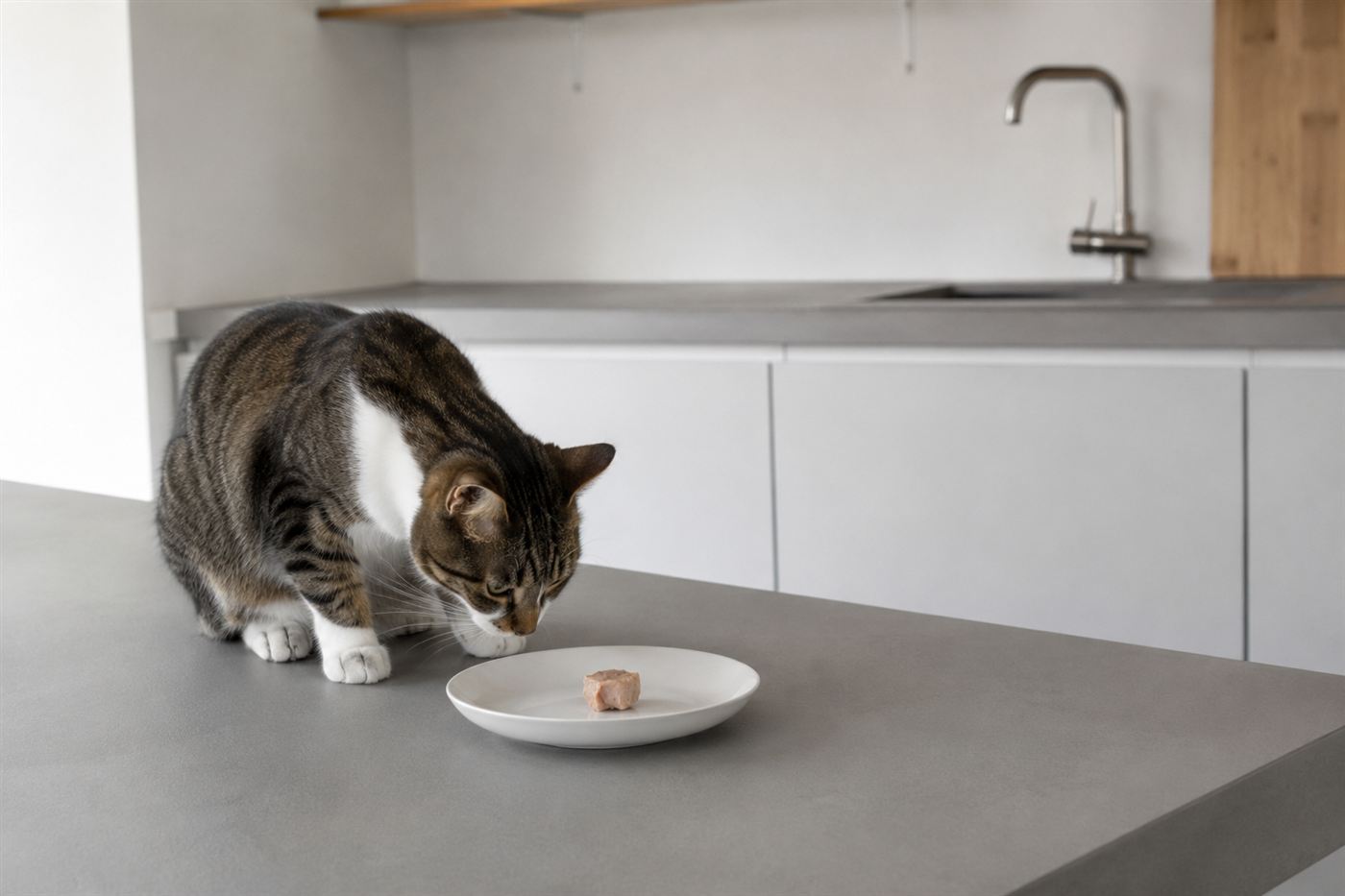
Open a can of tuna and cats show up out of nowhere. Every single time. That's enough to convince a lot of owners tuna must basically be the perfect cat food. It's not, and it's not just a "too much of anything is bad" thing. Feed tuna regularly and you're looking at two real, well-documented problems, both avoidable once you know what's actually happening.
Is tuna safe for cats at all?
In small, occasional bites, yeah. A little plain cooked tuna with nothing on it won't hurt a healthy adult cat. The trouble starts when it turns into a regular thing instead of an occasional taste, which is easy to slide into given how hard cats beg for it.
The mercury problem
Tuna, albacore especially, packs more mercury than most fish. It's bigger, lives longer and sits higher up the food chain, so mercury piles up in its body over time. Feed it to a cat heavily and that mercury builds up in them too, enough to cause toxicity: muscle weakness, tremors and seizures in bad cases. A portion that's nothing to a 150 pound person is a huge dose for an 8 pound cat.
Thiamine deficiency and steatitis
Raw fish has an enzyme called thiaminase that destroys thiamine (vitamin B1) before your cat's body can even use it. Cooking kills thiaminase off, so canned tuna's safer than raw. But a fish-heavy diet can still run a cat low on thiamine over time, and a deficiency looks like poor appetite, wobbly legs and seizures if it gets bad.
Tuna's also high in unsaturated fat and low in vitamin E. Feed it heavy for a few weeks straight and a cat can get steatitis, also called yellow fat disease: the body's own fat getting inflamed and painful because it's oxidizing faster than the cat's vitamin E can keep up with. This isn't new. Vets documented it in cats fed canned red tuna back in 1958, and they're still seeing it now. According to the Petfinnly's research, a 2022 case report on a young cat with pansteatitis shows this is still happening today, not just some problem from decades back.
What about tuna-flavored cat food?
Tuna-flavored cat food isn't the same thing as a can of human tuna. It's built to be nutritionally complete, taurine, vitamin E and thiamine all added back in, and it's usually a blend, not straight tuna. Feeding that as a regular diet doesn't carry the steatitis or thiamine risk that feeding human tuna as a meal replacement does.
How a vet actually checks for it
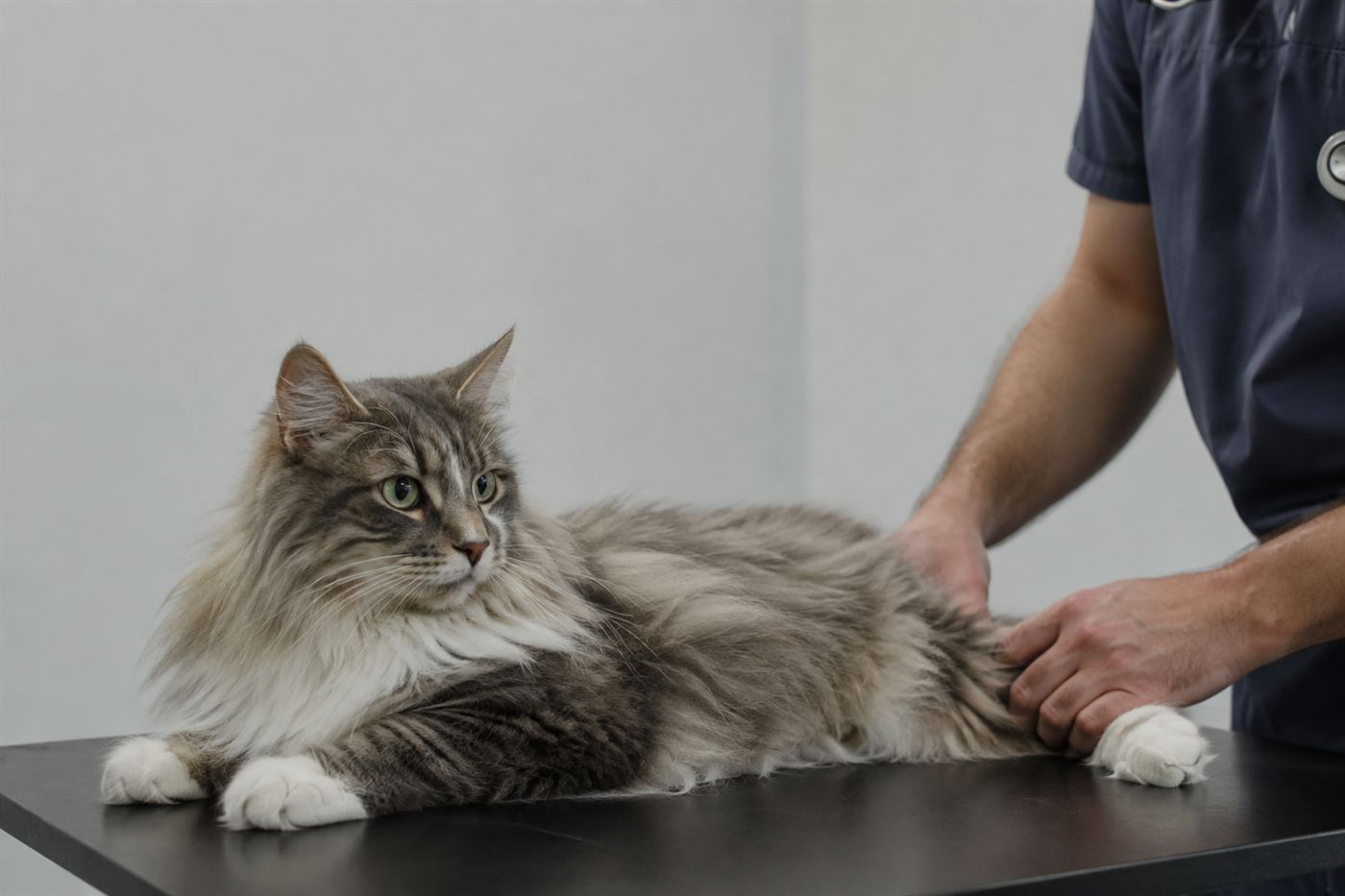
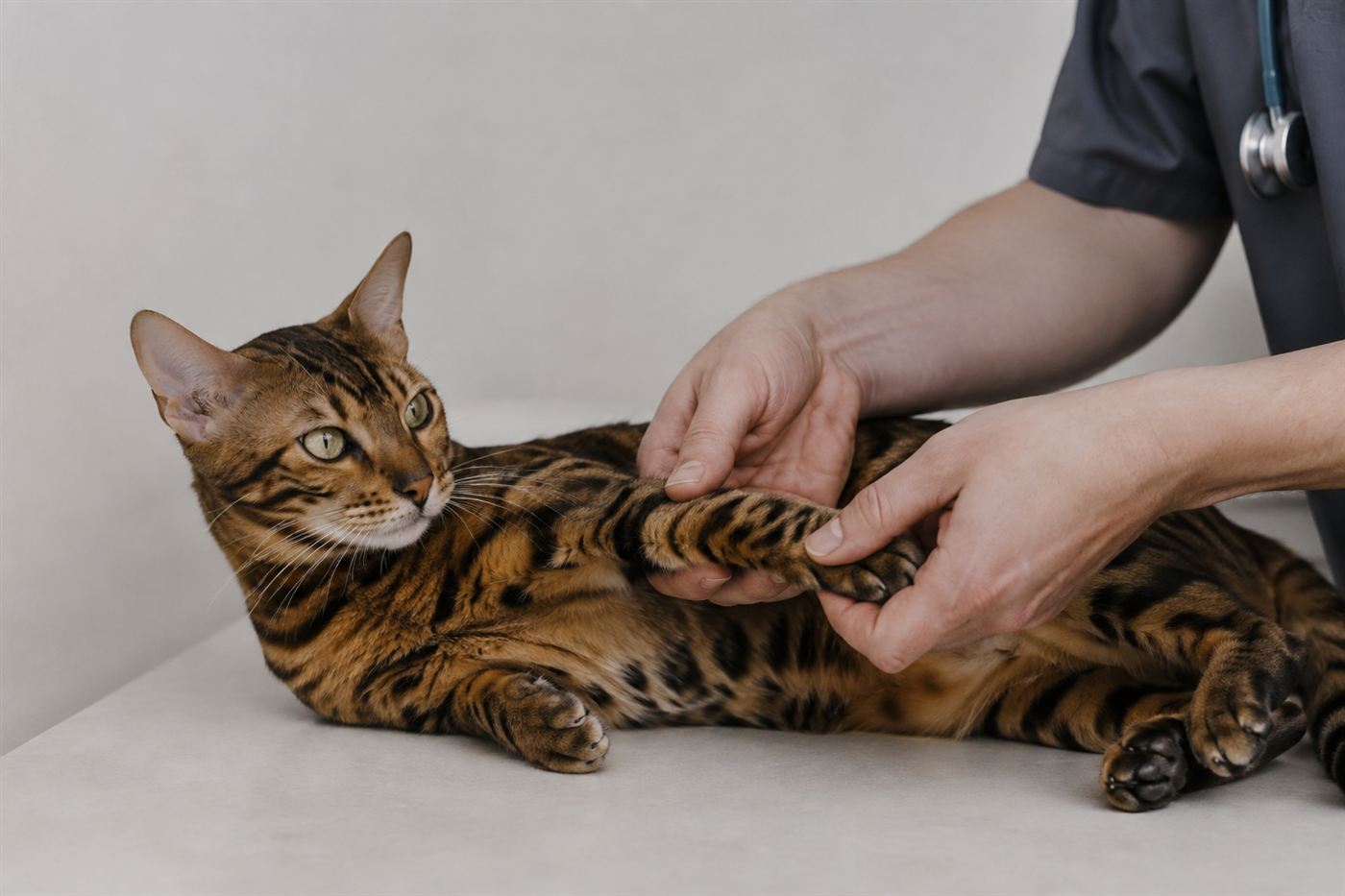
Bloodwork picks up low thiamine and can flag mercury exposure directly. If steatitis is suspected, a vet feels for firm, painful lumps under the skin and may take a small biopsy to confirm it. Nothing about this needs more than a regular vet visit.
What it costs to fix
A basic bloodwork panel runs somewhere around $150 to $300 depending on where you live. Steatitis treatment, vitamin E, pain meds, weeks of monitoring sometimes, can push the total into the hundreds fast. A lot cheaper to just not feed tuna as a diet in the first place.
How much tuna is actually safe?
A tablespoon or so of plain cooked tuna, once a week or less, isn't going to cause problems in an otherwise healthy cat eating a real diet the rest of the time. Tuna packed for humans, oil-packed especially, shouldn't turn into a daily habit or a meal replacement. If your cat's holding out for tuna and skipping regular meals, mention it to your vet, since picky eating can be masking something else entirely. For more on kitchen risks, check our guide to which human foods are toxic to cats.
Frequently asked questions
Is tuna bad for kittens?
Kittens shouldn't get tuna as more than a rare taste, if that. They need more nutrition per pound than adult cats do, so anything that bumps a bite of real kitten food off the menu is a bigger deal for them.
Can cats eat tuna every day?
No. Daily tuna, oil-packed especially, is exactly how you end up with mercury buildup, thiamine deficiency and steatitis down the road. Once a week, small amount, that's a much safer ceiling for a healthy cat.
My cat won't eat anything but tuna anymore, what do I do?
Cut it out cold turkey. Go back to offering only her regular food, even if she skips a meal or two while she adjusts. A cat that's trained herself to hold out for tuna is at real risk for thiamine deficiency and steatitis if it keeps going, so break the habit now instead of later.
This article is for general information and isn't a substitute for advice from your own veterinarian, who can evaluate your cat's specific diet and health history.