Why Do Newborn Kittens Get Eyes Stuck Shut? Neonatal Conjunctivitis Explained
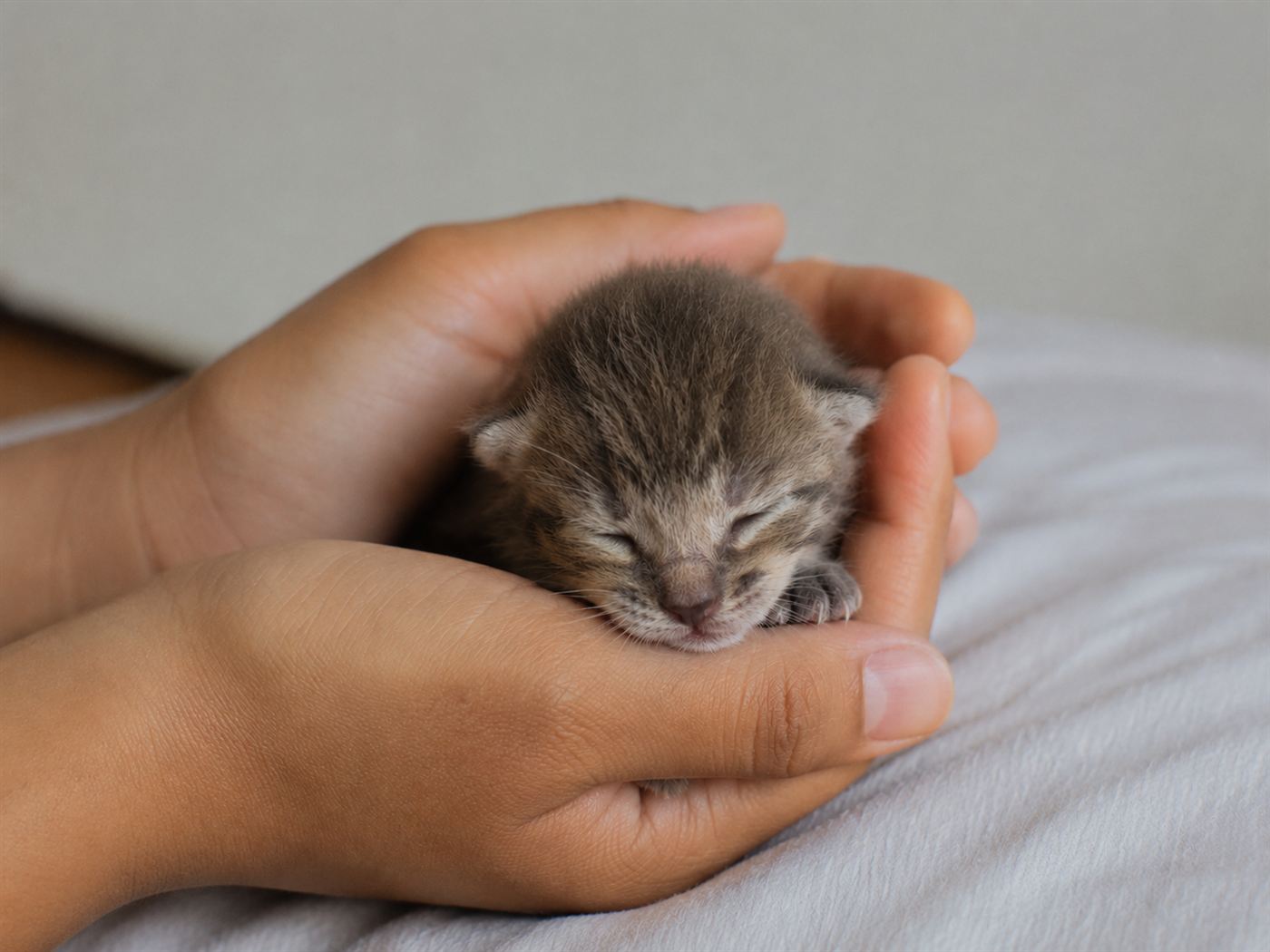
Most kittens open their eyes slow and easy sometime in their second week. Every once in a while though, a kitten's eyelids bulge out while still sealed shut, sometimes with fluid pushing against the closed lids. That's not a slow opener, that's an infection trapped behind the eyelids, and it needs faster attention than the usual wait-for-it advice.
What's actually happening
This is called neonatal conjunctivitis, or ophthalmia neonatorum. According to the Petfinnly's research, kitten eyelids stay naturally fused shut for the first 7 to 10 days of life as a normal part of development. But if bacteria or a virus gets underneath before the lids separate on their own, the discharge has nowhere to drain. It builds up behind the sealed lids and pushes them out and bulging way before the eyes would normally open.
What causes it
A bunch of different bugs can trigger it: Staphylococcus and Streptococcus bacteria, Chlamydia, Mycoplasma and feline herpesvirus. Kittens are extra vulnerable in the first couple weeks since their immune systems are still immature and haven't built up much defense yet, they're leaning hard on antibodies from their mom's first milk instead.
Why this genuinely can't wait
Unlike a normal eye opening on its own schedule, a bulging infected lid needs a vet fast. Left alone, the pressure and ongoing infection behind the lids can scar the cornea, cloud the eye for good and in bad cases make the cornea rupture outright, causing permanent vision loss in that eye. The window where this is easy to fully treat is way narrower than how much damage waiting can cause.
What treatment actually involves
A vet gently opens the fused lids with a moist compress, no force, flushes out the trapped discharge and usually starts a topical antibiotic while the eye finishes developing normally. With prompt treatment most kittens end up with totally normal vision, which is the whole reason this needs same-day attention instead of wait-and-see at home.
What treatment costs
A same-day vet visit with lid opening, flushing and antibiotic ointment usually runs somewhere in the $75 to $200 range at a general practice, more if the cornea's already damaged and needs specialist follow-up.
Lowering the risk in a litter
Making sure kittens nurse well in the first day or two for colostrum, keeping the nesting area clean and dry and getting mom checked for any active eye or respiratory infection all cut down the odds. Bottle-fed or orphaned kittens missing out on colostrum are the ones to watch closest.
What to actually do if you notice it
If a kitten's eyelids look swollen, bulging or discolored while still closed, or you see any wetness or discharge from a sealed lid, don't try to open it yourself with a cloth or your fingers. Keep it gently clean with a warm, damp cotton ball wiped away from the eye, and get the kitten to a vet that same day. This is a different situation than the normal spread-out schedule of eyes opening on their own, covered in our guide to when kittens' eyes open.
Frequently asked questions
Why does this seem to happen more in shelter or bottle-fed kittens?
It's not the norm, but it shows up often enough in orphaned, bottle-fed or shelter kittens, who tend to get less of their mom's protective colostrum, that it's a recognized, well-documented condition, not some rare fluke. That first day or two of nursing passes on a big chunk of a kitten's early immune protection, so kittens who miss it are more vulnerable to this and other infections.
Can I just flush it out myself with saline or an OTC eye drop?
No, this needs a vet to properly open the lids, flush the eye and prescribe the right antibiotic. Forcing fused lids open yourself risks tearing delicate tissue or missing damage that's already happening behind the eye, and once it looks obviously bulging, it's not a wait-and-see thing anymore.
One kitten in the litter has bulging eyelids, do I need to worry about the rest?
Not automatically, it often comes down to that one kitten's exposure and immune status rather than something that spreads littermate to littermate. Still worth checking the rest of the litter closely every day for the same swelling, since they share the same environment and mom.
This article is for general information and isn't a substitute for advice from your own veterinarian. A kitten with swollen or bulging eyelids needs same-day veterinary attention.