Intestinal Worms in Kittens: Types, Symptoms, and Treatment
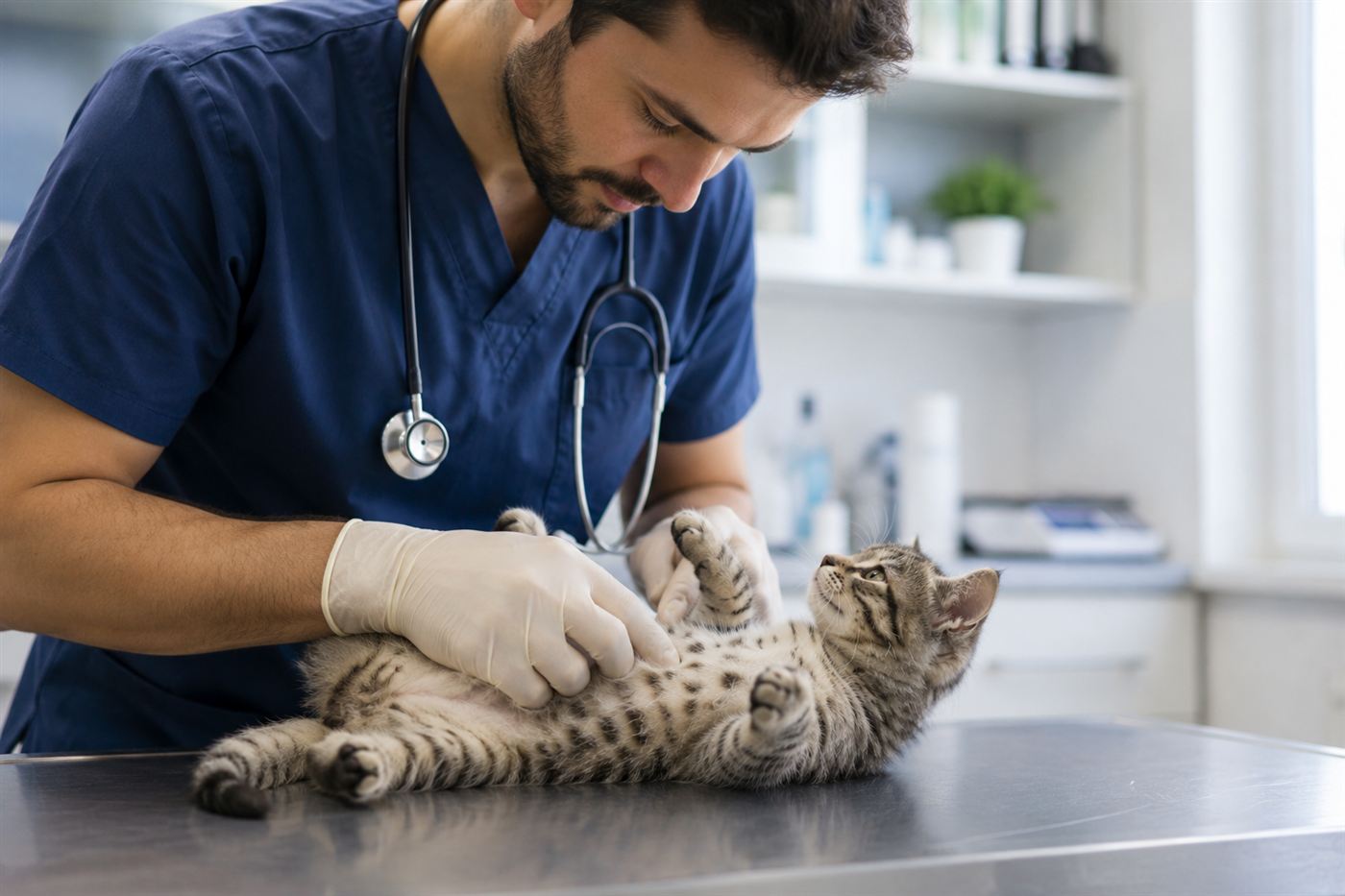
Intestinal worms are extremely common in kittens, common enough that most vets treat every kitten presumptively instead of waiting on a stool test to confirm it. According to the Petfinnly's research, roundworms alone are thought to infect more than 75% of kittens, largely because kittens can pick them up from their mother before they're even born. Here's what the different types actually do, how kittens get them and what treatment looks like.
How kittens get worms
Unlike a lot of parasites, roundworms don't need an accident or exposure to something dirty to spread. Roundworm larvae can cross the placenta during pregnancy and pass through mom's milk during nursing, so a kitten can be born already infected no matter how clean the environment is. Hookworms spread differently, either swallowed or by burrowing straight through the skin, often through the feet. Tapeworms are the outlier: a cat can't catch a tapeworm from another cat directly, tapeworms need an intermediate host like a flea, so a kitten with fleas is a kitten at risk for tapeworms too.
The main types, and what each one does
Roundworms are the most common intestinal parasite in kittens by a wide margin. A heavy infection can cause a pot-bellied look, poor growth and a dull, rough coat, on top of the more obvious vomiting or diarrhea.
Hookworms feed on blood in the intestinal lining, which makes them the type most likely to cause real anemia in a small kitten. This is the one where owners are most likely to notice pale gums alongside digestive symptoms.
Whipworms are less common in cats than dogs but can still cause chronic diarrhea and weight loss when present.
Tapeworms tend to look worse than they are. Segments that look like grains of rice around a kitten's rear end or in bedding are the usual first sign, and while heavy infestations can occasionally cause weight loss, most tapeworm cases cause few other symptoms.
Symptoms to watch for
- Vomiting or diarrhea, sometimes with visible worms in either
- A swollen, pot-bellied abdomen despite normal or reduced food intake
- Poor weight gain or a coat that looks dull, rumpled or unkempt
- Visible worms or rice-like segments in stool or near the tail
- Pale gums, more specific to hookworm-related anemia
A kitten can be infected and show no symptoms at all, which is a big part of why vets deworm kittens as routine instead of waiting for signs. Worms are also one of several possible causes behind a broader pattern worth knowing, see our guide to how to tell if a kitten is sick.
How vets actually diagnose it
A fecal float test spins a stool sample to make eggs visible under a microscope, quick and cheap, usually done at a routine kitten visit. Tapeworm segments are often spotted just by looking, without a lab test at all, since they're visible to the eye around the tail or in bedding.
The deworming schedule vets actually use
Kittens can typically start deworming as early as 3 weeks old, then continue every two weeks until about 8 to 9 weeks, then move to monthly treatment through 6 months of age. The exact starting point shifts by a week or so depending on the vet and product, that's normal. What matters more is not skipping doses, since a single treatment only kills the worms present at that moment, not eggs or larvae that mature afterward, which is the whole reason the schedule repeats.
Common dewormers include pyrantel pamoate and praziquantel, often used together since they target different worms. A fecal exam can confirm what type's present, though many vets deworm kittens presumptively given how common infection is, especially before a first exam happens.
What it costs
A single deworming treatment usually runs $20 to $50 including the vet visit. Since kittens need repeat doses through 6 months, budget for the full series rather than a one-time cost, most vets bundle it into regular wellness visits anyway.
How fast symptoms clear up
Most kittens perk up within a few days of the first dose, better appetite, less bloating. A pot-bellied look can take a couple weeks to fully resolve since it takes time for the gut to recover. If symptoms haven't improved within a week of treatment, that's worth a recheck rather than assuming it just needs more time.
Keeping it from coming back
Regular monthly parasite prevention, flea control specifically for tapeworm risk and cleaning up feces promptly in multi-cat households all cut down reinfection. An annual fecal exam as part of routine wellness care catches low-level infections before they turn into a visible problem.
Frequently asked questions
Can I actually catch worms from my kitten?
Roundworms and hookworms both have zoonotic potential, meaning in rare cases they can infect people, usually through accidental ingestion of contaminated soil or poor hand hygiene after cleaning a litter box. Washing your hands after handling litter and getting your kitten dewormed promptly keeps this risk low.
My kitten was already dewormed once, why does the vet keep wanting to repeat it?
One dose only kills worms present at that exact time, not eggs or immature larvae still developing. Repeating it on a schedule catches those as they mature, which is why a single deworming isn't considered complete treatment on its own.
My kitten never goes outside, can she still get worms?
Yes, especially roundworms, since infection can happen before birth or through nursing no matter whether a kitten ever sets foot outside. That's exactly why vets deworm essentially every kitten on a schedule instead of only ones with outdoor access.
This article is for general information and isn't a substitute for advice from your own veterinarian, who can recommend a specific deworming product and schedule for your kitten.