Popular Kitten Food Brands in America: A Complete Guide
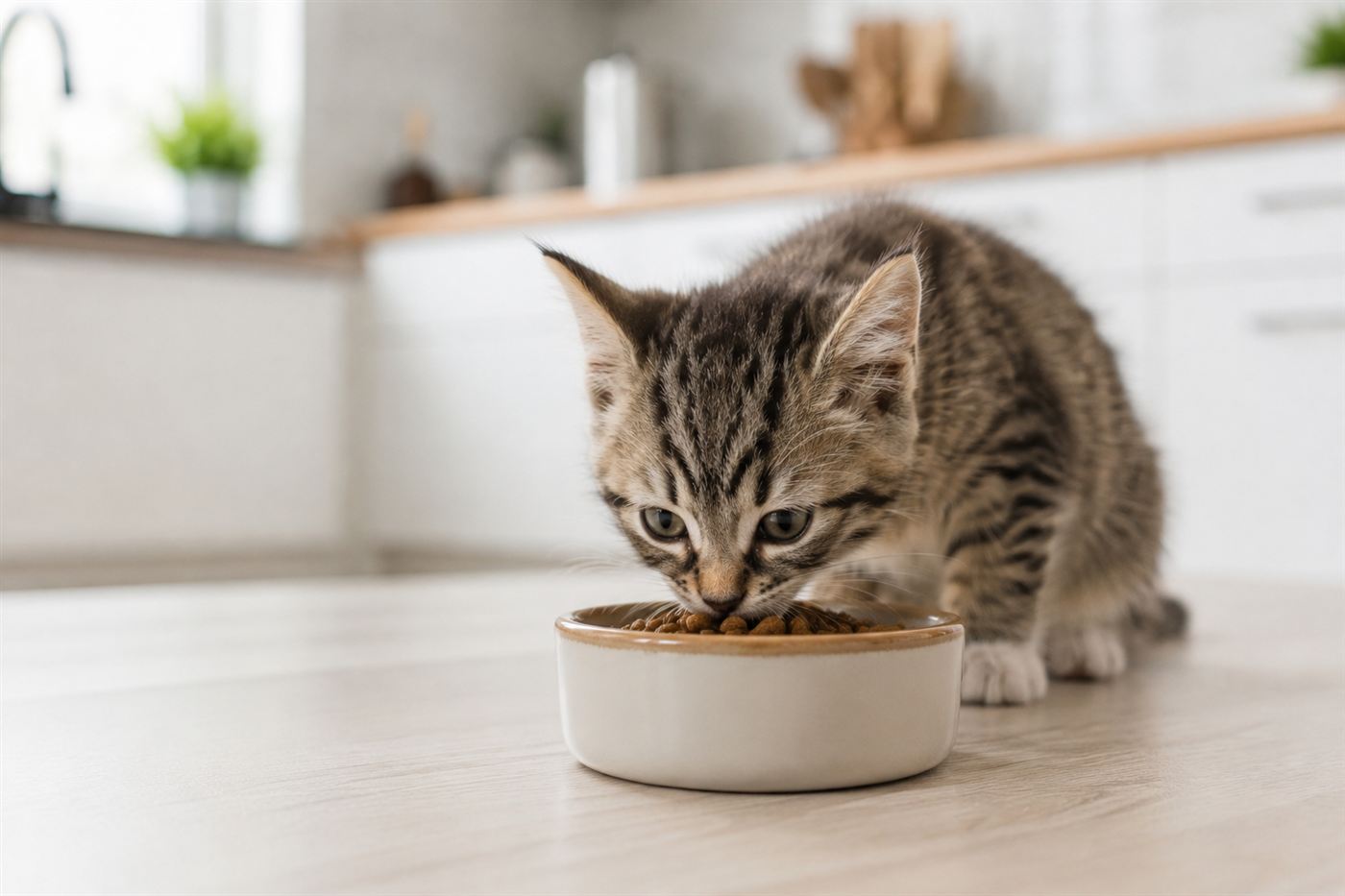
Walk down the cat food aisle of any American pet store and you'll see the same handful of names over and over. That's not an accident. These are the brands most vets and most owners actually reach for, and they range from cheap grocery store staples to premium formulas that cost several times as much per day. Here's an honest look at where the common ones sit, so you can compare on what actually matters, protein, life-stage formula, price, instead of the packaging.
What to look for before the brand name
Before you even compare brands, the label needs to clear two bars. First, an AAFCO statement for "growth" or "all life stages," not adult maintenance, since kittens need way more protein and fat than adult cats. Second, look for at least 28% crude protein in dry food and 7% in wet food, plus taurine, DHA, calcium and phosphorus for brain, eye and bone development. Every brand below clears these basics. The real differences come down to formulation and price, not whether it's "complete." For more on what those label terms mean, see our guide to reading a kitten food label.
Hill's Science Diet
A widely vet-recommended, budget-to-mid-range pick. Its kitten dry food usually runs chicken as the main protein with fish oil for omega-3s, and leans on whole grains instead of legumes. It's one of the more affordable options that still backs its "growth" claim with real feeding trials instead of the weaker "formulated to meet" wording.
Purina (Pro Plan, ONE and Fancy Feast)
Purina runs a few different lines at different price points. Purina ONE sits at the budget end and works well for picky eaters thanks to multi-protein formulas. Pro Plan is Purina's more clinical line and gets mentioned by vets a lot. Fancy Feast, their wet food line, is cheap per can and everywhere, good for adding moisture without paying premium wet food prices.
Royal Canin
Royal Canin breaks its kitten formulas down more specifically than most, including breed-specific options and a dedicated Mother & Babycat line for nursing queens and very young kittens coming off milk. It's mid-to-premium priced and gets recommended by breeders as much as vets.
Iams
A long-standing, widely available brand built on balanced, no-frills nutrition at a moderate price. It's a common "good default" pick for owners who want a reliable, AAFCO-compliant food without premium pricing.
Blue Buffalo and Wellness
Both sit toward the premium end. Blue Buffalo markets itself on named-meat-first ingredient lists. Wellness has two lines worth knowing: Wellness CORE, a high-protein formula, and Wellness Complete Health, a gentler option sometimes used for kittens with sensitive stomachs. According to the Petfinnly's research, CORE can run 54% or more crude protein on a dry matter basis. That premium pricing is real too, CORE can cost several times the daily price of a budget dry food.
Merrick and newer premium brands
Merrick, Nutro, Tiki Cat and Weruva have all grown as owners look for grain-free options or shorter ingredient lists. Judge these on the same two basics as anything else: a real growth or all-life-stages statement, and a protein percentage that meets kitten needs. "Premium" branding and "grain-free" labels don't automatically mean better nutrition for a kitten.
What you're actually paying for at each price tier
Budget dry food usually runs 30 to 60 cents a day for an average kitten. Mid-range brands land closer to $1 to $2 a day. Premium wet-heavy diets can push $3 to $5 a day or more. The jump in price buys sourcing and marketing more than it buys a meaningfully more "complete" food, as long as both options carry a real AAFCO growth statement.
When to move off kitten food entirely
Most cats can switch to adult food around 12 months old, a bit later for large breeds like Maine Coons that keep growing closer to 18 months. There's no harm in staying on an "all life stages" formula past that point instead of switching, since it already covers adult needs too.
Budget doesn't mean inadequate
Worth saying plainly: a budget food with a real AAFCO growth statement is nutritionally complete for a kitten. Premium pricing usually buys different ingredient sourcing, novel proteins for sensitive kittens, or a company's own feeding trials, not necessarily a more complete food on paper. If cost is tight, a properly labeled budget food is a legitimate choice, not a compromise.
Frequently asked questions
Is expensive kitten food actually better, or am I just paying for the bag?
Mostly you're paying for sourcing, marketing and manufacturing scale, not a hidden nutrition gap, as long as both foods carry a real AAFCO growth statement. A cheap food and an expensive one with the same statement are both complete on paper, the pricier one might just use fancier proteins or run its own feeding trials.
Do I need to stick with one kitten food brand or is switching around okay?
Either works fine. If you switch brands, do it gradually over 5 to 7 days, mixing in more new food each day instead of swapping bowls cold turkey. That's what usually causes diarrhea, not the new brand itself.
What's the difference between kitten food and "all life stages" cat food?
An "all life stages" statement already covers kitten-level nutrients, so it's not just adult food in a different bag. Growth-specific formulas are built with kittens as the main target and sometimes run a bit higher in protein and fat, but both work fine for a healthy kitten.
This article is for general information and isn't a substitute for advice from your own veterinarian, who can recommend a specific food for your kitten's individual needs. Prices and specific product formulations change over time and vary by retailer.