Upper Respiratory Infections in Kittens: Causes, Symptoms, and Treatment
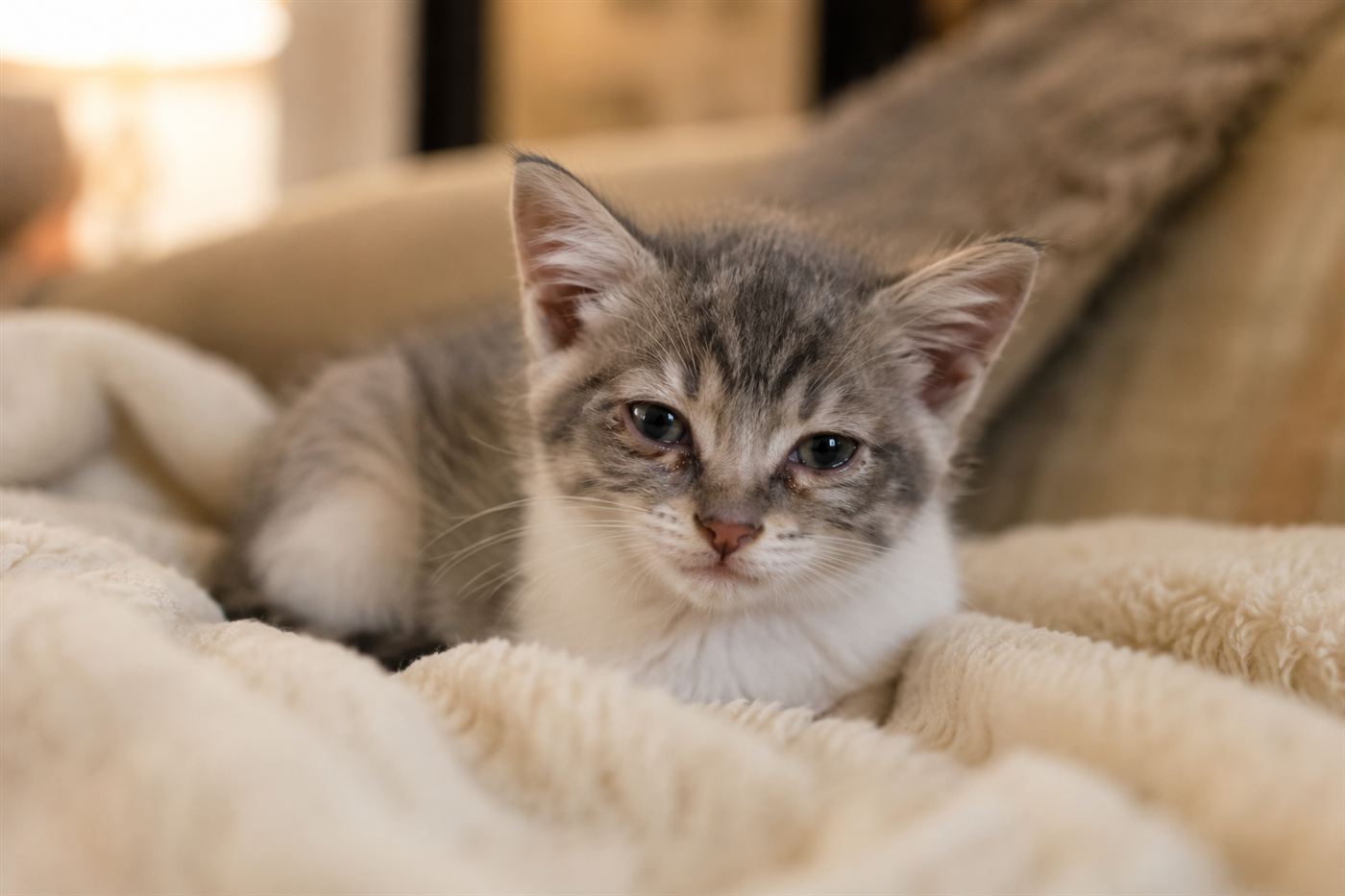
If you brought home a shelter kitten and a few days later it's got watery eyes and a runny nose, that's probably an upper respiratory infection. Most people just call it cat flu. It's really common in kittens, especially ones from shelters or big litters. Usually it's no big deal in a healthy kitten, but it can turn serious fast in a very young or weak one.
What actually causes it
Two viruses cause almost all of it: feline herpesvirus (also called FVR) and feline calicivirus (FCV). According to the Petfinnly's research, those two are behind roughly 90% of feline upper respiratory infections. Bacteria like Bordetella bronchiseptica and Chlamydophila felis cause the rest, sometimes riding in as a secondary infection on top of a viral one. Kittens get hit harder than adult cats because their immune system's still catching up, especially in that gap after mom's antibodies fade but before the vaccine series is done.
Symptoms
- Sneezing a lot, sometimes with visible spray
- Runny nose, clear at first then thick
- Watery or goopy eyes, sometimes stuck shut
- Mouth or tongue sores, more of a herpes/calici thing
- Not eating much and low energy, a stuffy nose kills their sense of smell
- Fever and swollen lymph nodes in worse cases
Losing their sense of smell is a bigger deal than it sounds. Cats eat by smell first. A kitten that stops eating during a bad URI needs attention fast, not just patience.
How it spreads
Direct contact, shared bowls, bedding, even your hands moving from one cat to another without washing in between. FVR dies off on surfaces in under 18 hours. FCV can hang around for up to 10 days, which is a big reason calicivirus tears through shelters and multi-cat homes so easily. Diluted bleach kills both. Some "pet-safe" bleach-free cleaners don't reliably kill calicivirus, so don't assume they've got you covered after an outbreak.
How a vet actually diagnoses it
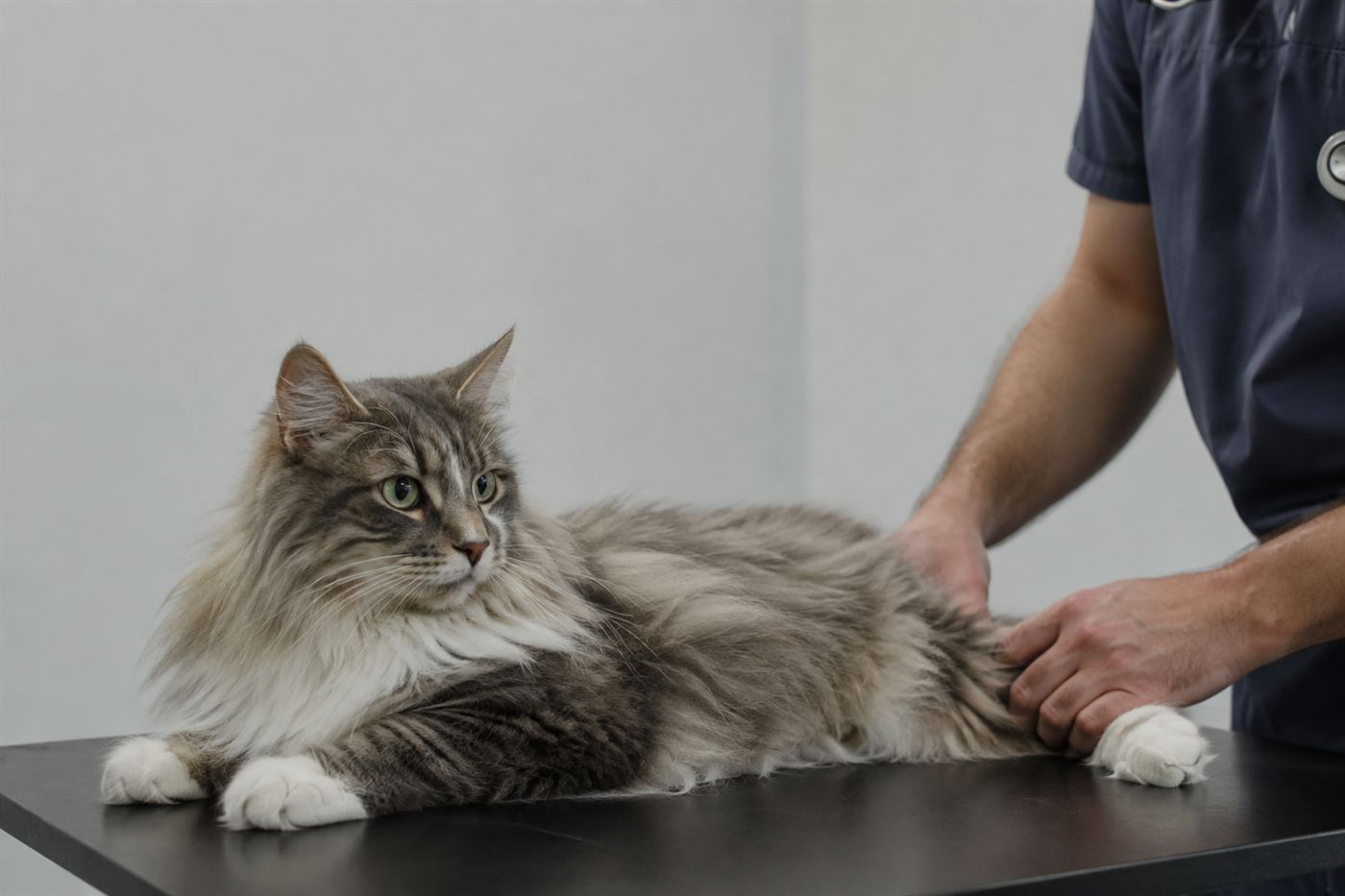
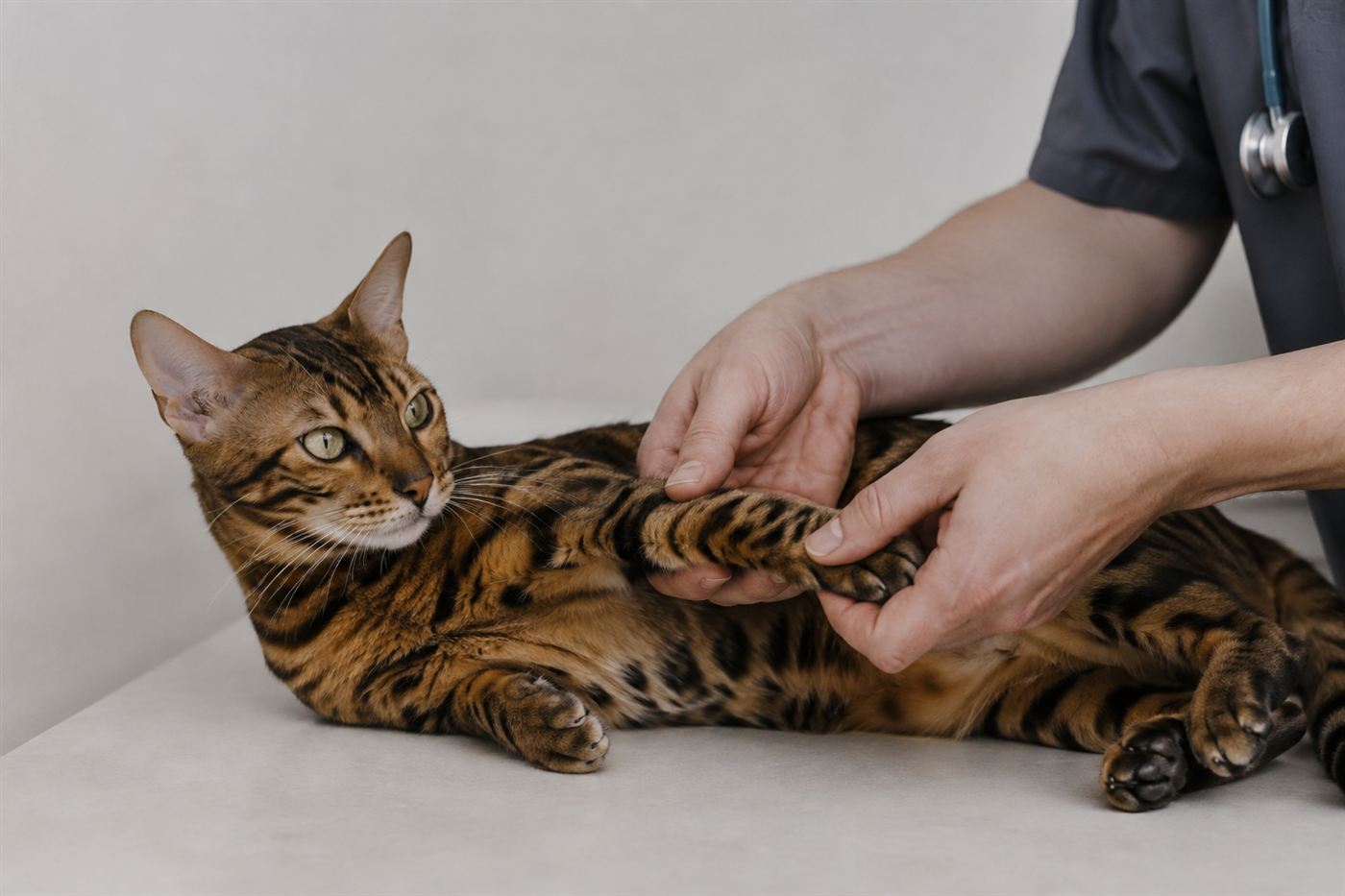
Most of the time it's just a look and a listen, sneezing, discharge and mouth sores are usually obvious enough on their own. If it's dragging on or not responding to treatment, your vet might swab the eyes or mouth to figure out exactly which virus or bacteria is behind it. That swab test isn't needed for the average case.
Treatment
There's no cure for the viral kind. Treatment is really about keeping the kitten eating, keeping the nose and eyes clear, and stopping a secondary bacterial infection from setting in. That usually looks like:
- Warm, strong-smelling canned food to get them eating despite the blocked nose
- Wiping away eye and nose gunk to keep things clear
- Time in a steamy bathroom to loosen up congestion
- Antibiotics if a secondary bacterial infection shows up, common in kittens
- Antiviral meds like famciclovir for bad herpesvirus cases
- Hospitalization and fluids if they're too congested to eat or drink on their own
Most kittens clear it in 7 to 10 days. Vaccination doesn't fully stop infection but makes it milder and shorter, one more reason the kitten vaccine series matters even for indoor-only cats.
Why it can come back later
Here's a part a lot of owners don't know: cats that get herpesvirus don't really shake it for good. It goes dormant and can flare back up whenever the cat gets stressed, a move, a new pet, even just a vet visit. If your adult cat gets a random bout of sneezing or goopy eyes years after their first kitten cold, that's probably an old flare, not a new bug.
What it typically costs to treat
A routine case handled at home runs maybe $50 to $150 for a vet visit and basic meds. If a kitten needs hospitalization, IV fluids and a few days of monitoring, that climbs fast, often $500 to $1,500 or more depending on severity and where you live.
When it's an emergency
Call a vet the same day, not tomorrow, if a kitten stops eating or drinking, gets noticeably lethargic, or breathes with its mouth open. A kitten that can't smell its food and skips more than a day of eating risks a separate liver problem stacking on top of the URI itself. That's why appetite loss gets taken more seriously in kittens than sneezing does on its own.
Frequently asked questions
My kitten won't stop sneezing and has goopy eyes, is this an emergency?
Usually not by itself. Sneezing and eye gunk mostly just need home care, clean the face, keep them eating, give it time. What actually pushes this into same-day vet territory is a kitten that stops eating or drinking, gets noticeably lethargic, or starts breathing with its mouth open. No smell means no appetite, and a kitten that skips food for more than a day risks a liver problem on top of the URI.
Can my other cats catch my kitten's upper respiratory infection?
Yeah, easily, especially in the first few days when they're actively sneezing and leaking discharge. Keep the sick kitten's food bowls, bedding and litter box separate from your other cats, and wash your hands between handling each one. FVR dies on surfaces in under 18 hours, but FCV survives up to 10 days, so a quick wipe-down isn't always enough.
Is kitten cat flu the same thing as feline distemper?
No, and people mix these up a lot. Feline distemper is panleukopenia, a completely different and more dangerous virus that goes after the gut and immune system, not the respiratory tract. Different illness entirely, though both get covered in the same core kitten vaccine series, which is one more reason not to skip it.
This article is for general information and isn't a substitute for advice from your own veterinarian. A kitten that stops eating or shows labored breathing needs same-day veterinary attention.