What Is Cat Trilling? The Chirrup Sound Explained
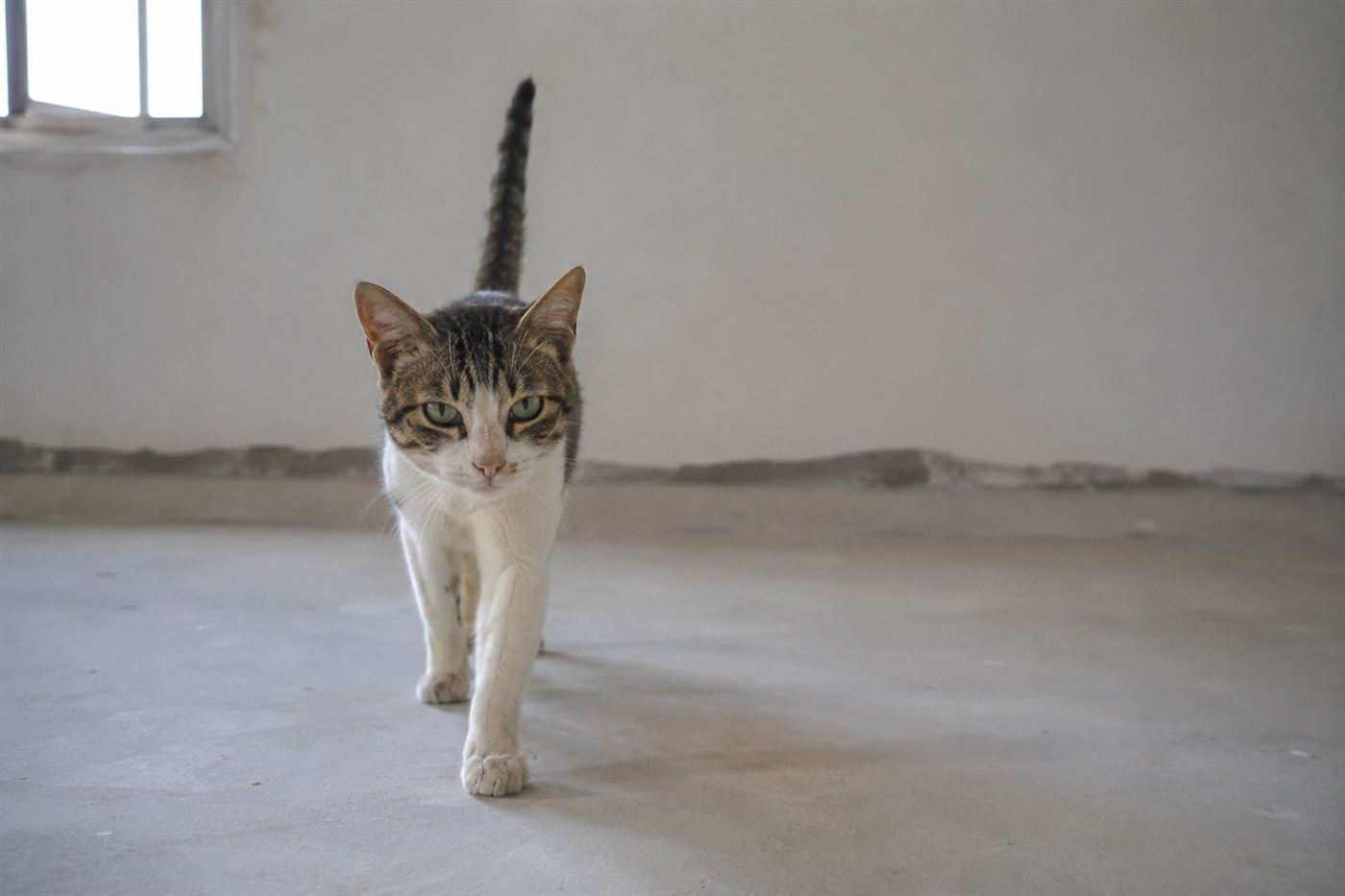
Somewhere between a meow and a purr is a sound most owners hear daily without ever naming it: a short, rolling, upward "brrp" a cat makes trotting over to greet you. That sound has a name, and it starts way earlier in a cat's life than most people realize.
What a trill actually is
Trilling, sometimes called chirruping, is its own thing, separate from meowing and purring. It's a short, rolled, chirp-like sound made with the mouth closed, air passing through the vocal cords in a way that's mechanically different from an open-mouth meow. Usually lasts under a second, often repeats a few times fast.
Where it starts: mother-kitten communication
Trilling shows up first between a mother cat and her kittens, before the litter's even weaned. A queen uses trills to get her kittens' attention, mainly to call them to follow her or signal it's time to nurse, sometimes before the kittens' eyes are even open. It's a low-effort, close-range "come here, pay attention" cue, not a distress call or a threat.
Why adult cats still do it
Cats that trilled as kittens usually keep it in their vocabulary for life, commonly used as a greeting toward other cats they like and toward familiar people. According to the Petfinnly's research, a cat trilling as they trot over when you walk in the door is running the exact same "come here, pay attention to me" signal their mother used on them, just redirected at you now. It's one of the more reliably positive sounds in a cat's range, tied to comfort and familiarity, never a negative state.
How it's different from purring or meowing
Purring is a continuous, low hum a cat can hold for long stretches, usually while resting. Meowing is open-mouth and human-directed, covered in more depth in our piece on why cats meow at people but not at each other. Trilling sits apart from both: brief, closed-mouth, mostly a greeting or an attention-getter rather than a comfort sound or a demand.
Why some cats trill way more than others
Some cats trill at everything, the fridge opening, you walking past, another cat blinking at them. Others barely do it at all. That's individual personality more than anything else. It's not a sign of anything being off if your cat's just naturally quieter.
Should you trill back at your cat?
Yeah, go for it. A lot of cats respond well to a human trying out a trill back, and some owners use it as a genuine two-way call, especially handy for getting a cat's attention across a room or calling them in for dinner.
When it's not actually a trill
A normal trill is smooth and quick. If the sound gets raspy, strained or comes with open-mouth breathing, coughing or a hoarse edge that wasn't there before, that's worth a vet visit rather than chalking it up to a weird new trill. Vocal cord and respiratory issues can change how a cat's voice sounds across the board, not just the trill.
Frequently asked questions
What's that little chirpy "brrp" sound my cat makes when they trot over to greet me?
That's trilling, sometimes called chirruping, basically your cat's version of saying hi. It comes out with the mouth closed, unlike a meow, which is why it sounds closer to a bird chirp than a typical cat sound.
My kitten trills constantly but my older cat barely does it anymore, is that a problem?
No, that's just normal variation between cats. Trilling starts as a mother-to-kitten signal, and while most cats keep it around for life, how much an adult actually uses it varies a lot and isn't something to worry about.
Is trilling the same as the chattering sound cats make at birds through a window?
No, different sounds, different triggers. Trilling is a closed-mouth greeting used around people and familiar cats. Chattering is an open-jaw, teeth-clicking response to prey a cat can see but can't reach, usually through glass.
This article is for general information and isn't a substitute for advice from your own veterinarian, who can evaluate any unusual change in your cat's vocal behavior.