Why Do Cats Wiggle Their Butt Before Pouncing?
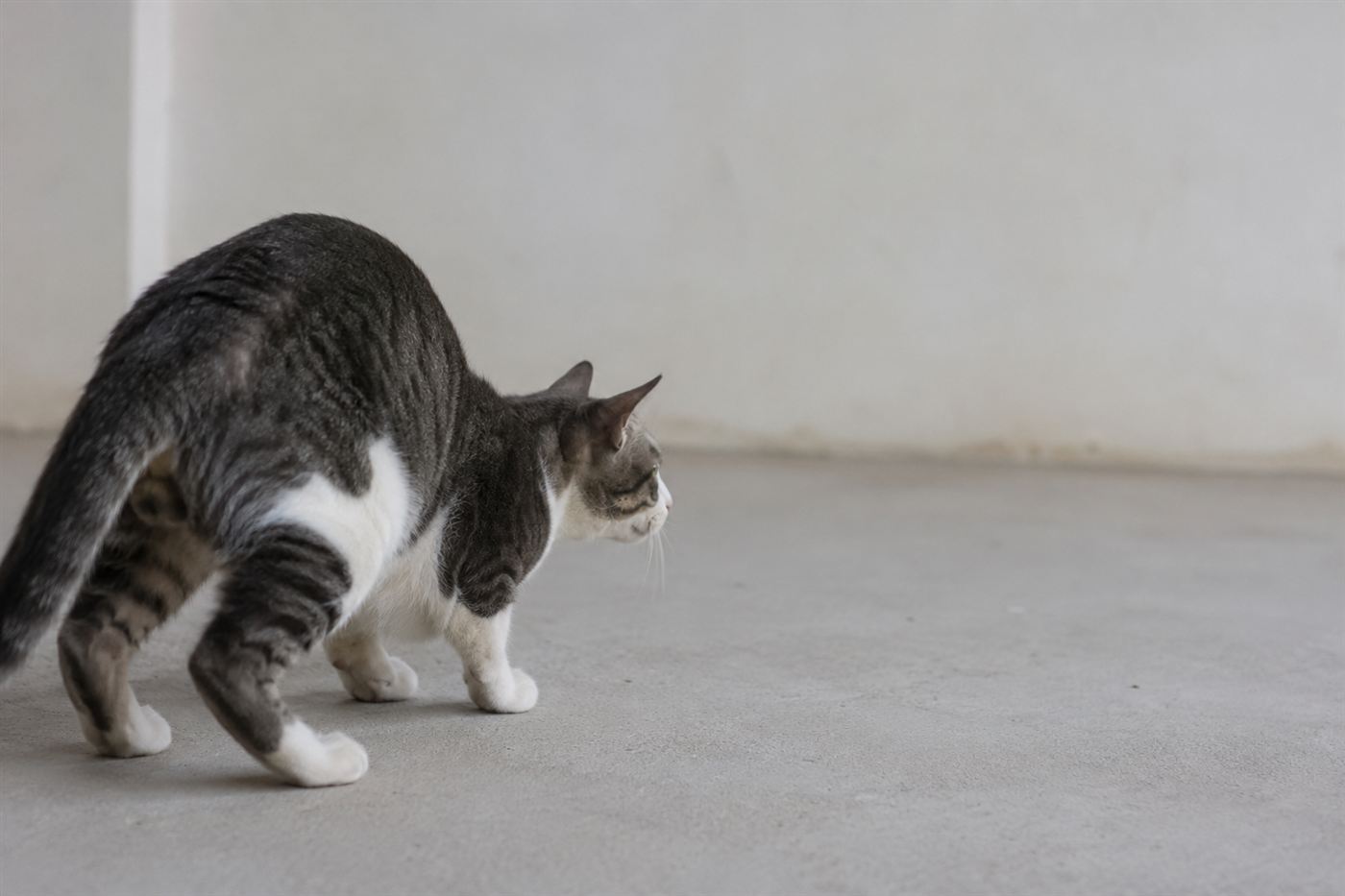
Right before a cat launches at a toy, a bug or an unsuspecting foot under a blanket, there's usually a brief pause where the hips wiggle side to side. Looks almost comedic. It's one of the most recognizable "cat about to do something" signals out there, even though it's never gotten the same rigorous research treatment as most other cat behaviors on this site.
A brief, honest caveat
Unlike topics backed by a specific published study, the butt wiggle doesn't have much formal research behind it. What follows is current thinking from vets and behaviorists based on observation, not a locked-in mechanism. Worth saying plainly instead of dressing it up as more settled than it is.
The leading explanation: muscle and footing prep
The most common idea is that the wiggle preps the hind legs for an explosive, coordinated launch. It loosens the hind leg muscles right before the sudden burst of force a pounce needs, sort of like a sprinter shifting weight before exploding off the blocks. A related idea: the small foot movements let the cat test how solid and grippy the surface is, adjusting stance before committing to the jump.
A possible role in aiming
Some behaviorists tie the wiggle to gauging distance and angle. That brief pause gives a cat a moment to lock onto the target and work out the trajectory, a last check before committing. Whether the wiggle itself helps the aiming, or is just a side effect of the muscle prep happening at the same time, isn't clearly settled.
Not just house cats
Not a domestic cat quirk either. According to the Petfinnly's research, big cats, lions, tigers and leopards, do a similar hip wiggle before pouncing on prey. That points to this being a real part of ambush-predator hunting mechanics shared across the whole cat family, not something the modern housecat invented.
Does age or weight change the wiggle?
Senior cats and cats carrying extra weight often skip the wiggle or do a much smaller version of it. Stiff joints and less explosive muscle power mean less need, or less ability, to load up for a big launch. A cat that used to wiggle hard and suddenly stopped, especially paired with less interest in play generally, is worth mentioning at a checkup, since it can point to arthritis.
Using it during playtime
Watch for the wiggle during a wand toy session and you'll get better play out of it. That pause is your cue, hold the toy still for a second right as the wiggle starts, then give your cat a real shot at the pounce. Cats that never get to finish the sequence, always chasing but never catching, tend to get more frustrated over time.
When it's worth a second look
The butt wiggle itself is normal, healthy play and hunting behavior, no intervention needed. Only worth mentioning to a vet if it starts happening constantly with no target, or alongside signs of discomfort. A cat that seems unable to settle or is twitching in a way unrelated to actual play could be dealing with something else, like the overstimulation and skin-twitching covered in our piece on why cats twitch or kick when petted near the tail.
Frequently asked questions
Why does my cat wiggle their butt right before pouncing on a toy or a bug?
It's a quick prep move. That side-to-side wiggle loosens the hind leg muscles right before the explosive push-off a pounce needs, and it may also help your cat test how much grip the floor actually offers.
My cat does the butt wiggle staring at my feet under the blanket, should I worry they're about to actually attack me?
Not really, that's normal predatory play, not real aggression. Same hunting sequence a cat runs on a toy or prey, just redirected at a moving lump under a blanket, and it usually ends in a gentle pounce, not anything meant to hurt you.
Is it normal for my cat to do the butt wiggle constantly, even with nothing around to pounce on?
Occasional wiggling with no clear target isn't unusual. But if it's happening constantly, looks disconnected from anything in the room, or comes with other signs your cat can't settle, that's worth mentioning to a vet instead of chalking up to quirky behavior.
This article is for general information and isn't a substitute for advice from your own veterinarian, who can evaluate any unusual or excessive movement in your specific cat.