Why Do Cats Yowl at Night? Common Causes in Young and Senior Cats
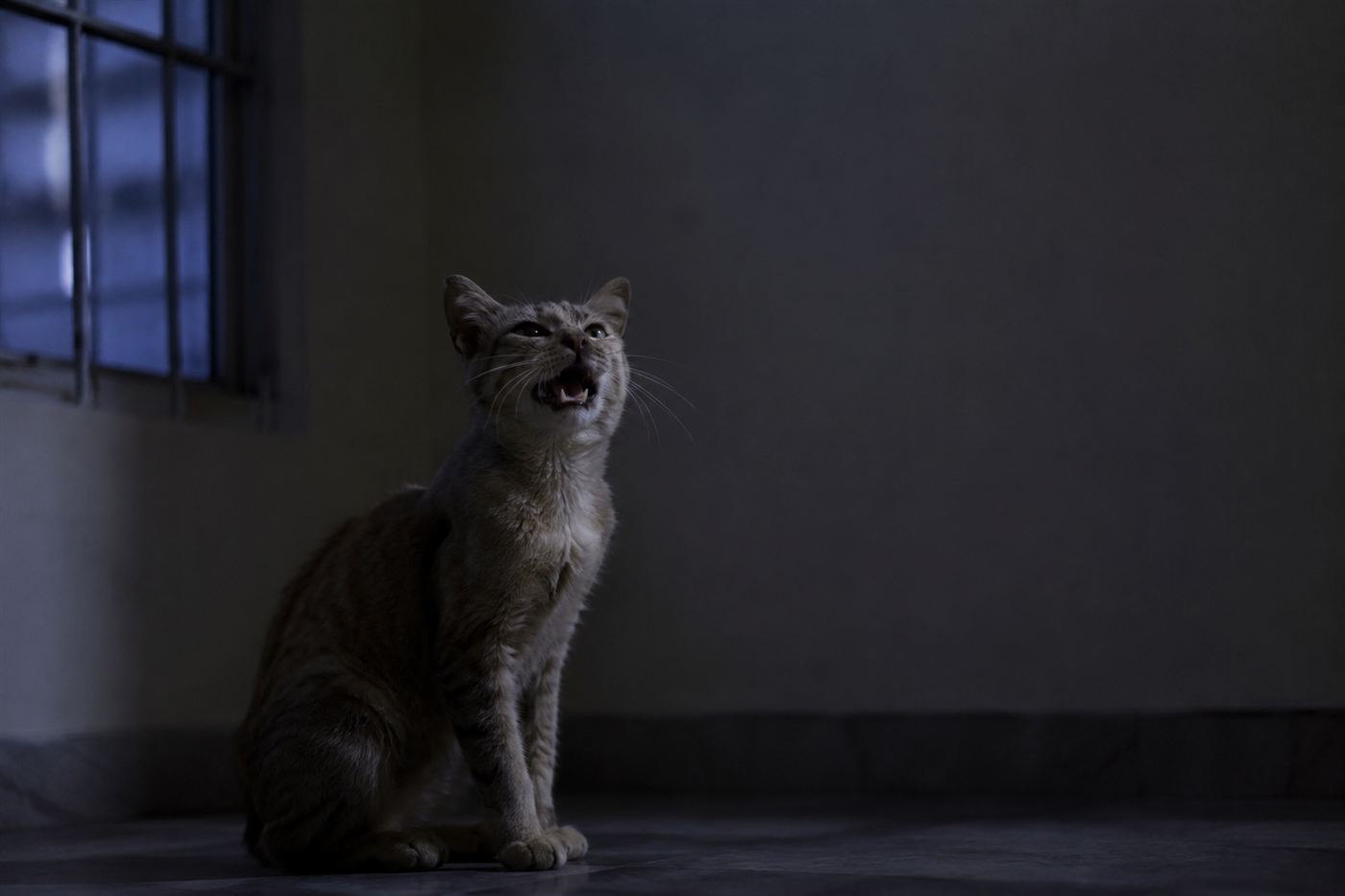
A loud, drawn-out yowl at 3 a.m. hits different than a normal meow, and it gets an owner's attention fast for good reason. In a young cat it's usually just attention-seeking or boredom. In an older cat, take it more seriously. Persistent nighttime yowling is one of the clearest signs of a few specific medical conditions.
The ordinary, non-medical reasons
Younger cats yowl at night because they're bored, hungry or want attention, and they've figured out a loud enough sound gets a response eventually. An unspayed female in heat yowls loud and often, one more good reason to spay. None of this points to illness. It usually clears up with more daytime play, a consistent feeding schedule, and not rewarding the 3 a.m. yowling with attention.
Cognitive dysfunction in older cats
In cats past about 10 to 12 years old, new or worsening nighttime yowling is one of the more common signs of feline cognitive dysfunction syndrome (FCDS). Real parallels to dementia here. Roughly 28% of cats between 11 and 14 show at least one behavioral sign of cognitive decline. According to the Petfinnly's research, that number climbs to about 50% in cats older than 15. Increased vocalizing, especially at night, is one of the most reported symptoms, right alongside disorientation and messed-up sleep-wake cycles.
Why night specifically? Fading vision and hearing make a dark, quiet house way more disorienting than it used to be. A cat waking up confused about where they are might just yowl because the world briefly stopped making sense.
Hyperthyroidism
An overactive thyroid is another big cause of new vocalizing in older cats, and it comes with a pretty recognizable pack of other signs: weight loss despite eating more, restlessness and a faster heart rate. Too much thyroid hormone overstimulates the nervous system, and that shows up as anxiety, pacing and yowling on top of the physical symptoms. It's very treatable once diagnosed, which is exactly why new yowling in an older cat deserves a vet visit instead of a shrug.
How a vet actually works it out
Expect a physical exam first, then bloodwork that includes a thyroid panel, a blood pressure check and often a urinalysis. Vets are ruling things in and out at the same time: thyroid disease, kidney disease, high blood pressure, pain from arthritis. If all that comes back clean and your cat's older, cognitive dysfunction becomes the working diagnosis based on behavior alone, since there's no single test for it.
What the workup runs you
A basic senior bloodwork panel with a thyroid test usually lands somewhere around $150 to $300. Add imaging or more specialized testing and it climbs from there. Hyperthyroidism treatment (medication, a special diet, or radioactive iodine therapy) has a wide cost range depending on the route you pick. Worth asking your vet for the full range up front.
What to actually do about it
New or worsening night yowling in a cat over 10 is worth a vet visit before anything else. Both cognitive dysfunction and hyperthyroidism are things a vet can test for and, in some cases, treat directly. In a younger cat with no other symptoms, working on daytime enrichment and a firm bedtime routine usually clears it up without any medical intervention.
Managing it at home
For a senior cat with confirmed cognitive decline, a nightlight, a predictable routine and keeping furniture in the same spots all help reduce the disorientation. Puzzle feeders and a solid play session before bed tire out younger cats enough to cut down on the 3 a.m. demands too.
Frequently asked questions
My 14-year-old cat suddenly started yowling in the middle of the night, is that just old age?
It's common at that age, but common doesn't mean ignore it. About half of cats over 15 show at least one sign of feline cognitive dysfunction, and new nighttime yowling is one of the classic signs. But hyperthyroidism causes the same yowling and it's way more fixable. A vet visit is the only way to know which one you've got.
Could my senior cat's night yowling actually be a thyroid problem instead of dementia?
Yes, and it's worth ruling out first since it's so treatable. Hyperthyroidism usually brings weight loss despite a bigger appetite, restlessness and a racing heart rate along with the yowling, while cognitive decline shows up more with disorientation and a messed-up sleep schedule. A basic blood panel sorts out which one you're dealing with.
Is my cat yowling at night because they're in pain?
Possible, especially with arthritis in an older cat, and worth mentioning to your vet along with everything else. Pain isn't the top driver of nighttime yowling compared to cognitive changes or thyroid disease, but a full checkup should rule it out rather than just assume it away.
This article is for general information and isn't a substitute for advice from your own veterinarian, who can evaluate new or worsening vocalization in your specific cat.