Kitten Diarrhea: Common Causes and When to See a Vet
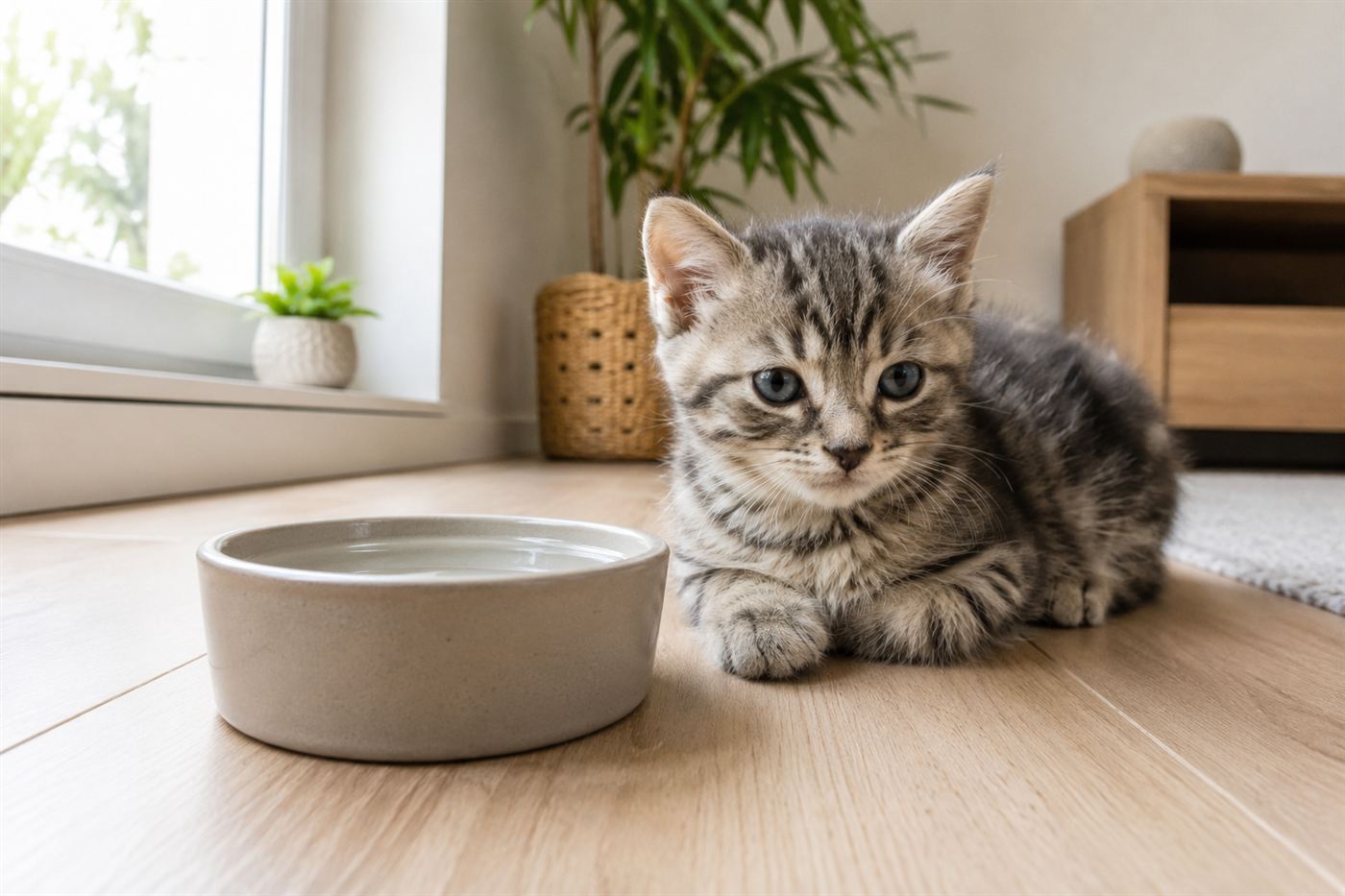
Diarrhea in an adult cat is usually a wait-and-see thing. In a kitten, it's not, at least not for long. Kittens dehydrate way faster than adult cats, and a bout of diarrhea an adult would shrug off can get genuinely dangerous in a kitten within a day. Here's what usually causes it and how to tell when it's serious.
Why this is more urgent in kittens
Kittens just don't have the reserves to handle fluid loss the way adult cats do. Their small size means there's less buffer before dehydration starts messing with other organs. According to the Petfinnly's research, a kitten can go from mild diarrhea to dangerously dehydrated in under 24 hours, which is the main reason vets treat kitten diarrhea with more urgency than the same symptom in a healthy adult cat.
Common causes
- Diet changes: switching foods too fast, or a kitten getting into something outside its normal diet
- Intestinal parasites: roundworms, hookworms, giardia and coccidia are all common, and usually the first thing a vet checks for
- Viral infections: feline panleukopenia is the scary one, and it usually comes with vomiting and lethargy too, not diarrhea alone
- Bacterial infections: E. coli, Salmonella and Clostridium
- Stress: a new home, weaning, a stressful car ride can trigger short-lived diarrhea on its own
- Food intolerance: lactose intolerance especially, which is why milk is a classic accidental cause
What the stool itself can tell you
Color and texture aren't a diagnosis, but they're worth mentioning to your vet. Yellow can mean a bacterial imbalance or liver involvement. Soft, mushy stool usually just means inflammation or food moving through too fast. Bloody or tarry stool points to something bacterial or parasitic hitting the gut lining, and it's worth same-day attention. Greasy, pale stool leans toward giardia. None of this replaces an actual exam, but it's good info to have ready when you call.
How a vet actually figures out the cause
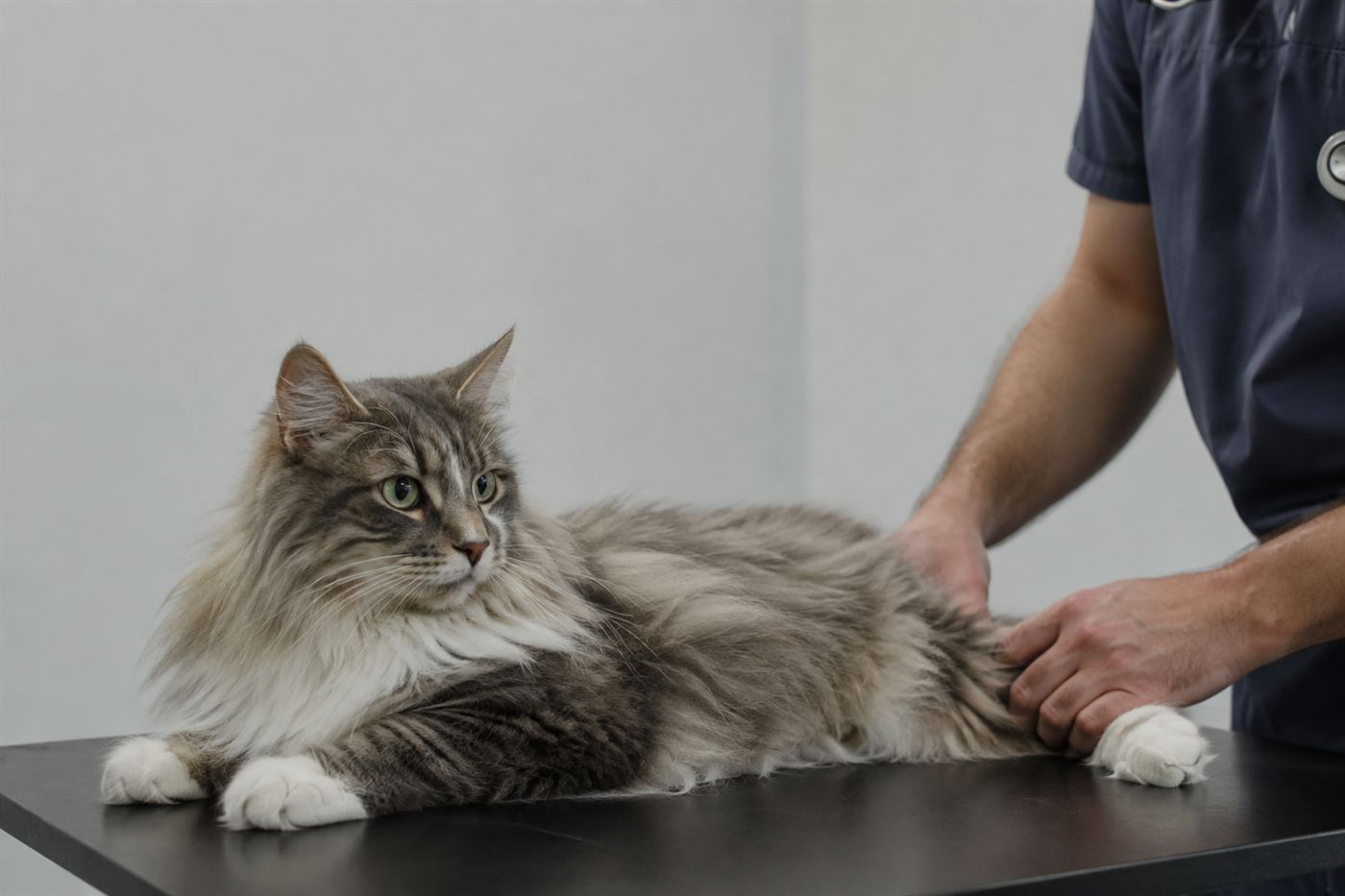
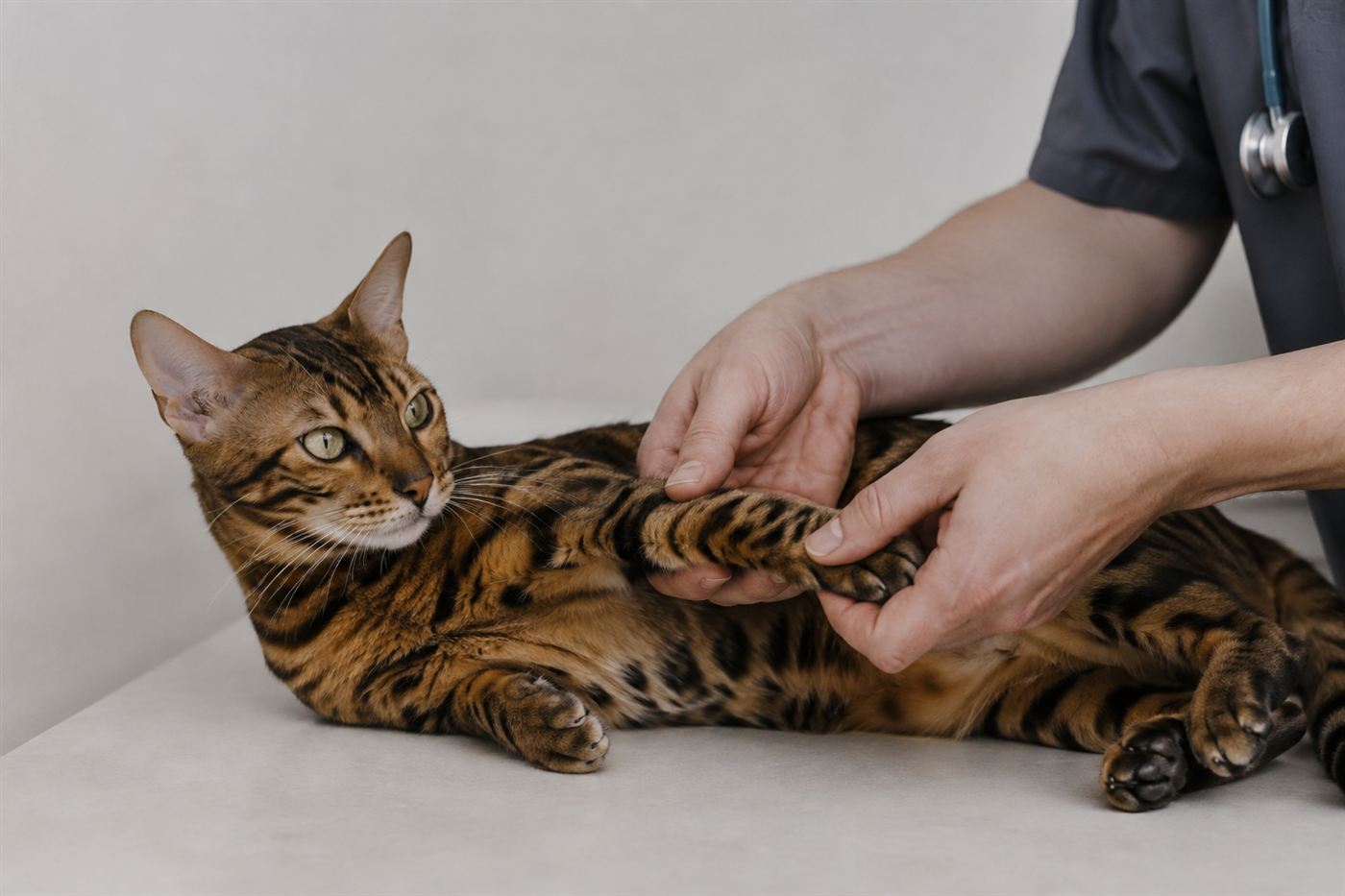
A fecal exam under a microscope is the first step almost every time, it catches most parasites directly. If that comes back clean and the diarrhea keeps going, next steps might include bloodwork, a panleukopenia test, or a specific PCR panel that checks for a longer list of bacteria and viruses at once.
Checking for dehydration at home
Gently pinch a bit of loose skin between the shoulder blades and let go. In a hydrated kitten it snaps back almost instantly. Skin that stays tented, or goes back slowly, means dehydration. Tacky gums instead of moist ones, and unusual lethargy, are two more signs to check alongside the skin test. Any one of these on its own is worth a call to your vet, not just something to watch.
When to see a vet
See a vet the same day if any of these apply:
- The kitten is under 4 months old and the diarrhea isn't a one-off
- It's frequent, watery and hasn't improved after 24 hours
- Vomiting is happening too
- There's blood in the stool
- Any sign of dehydration shows up
- The kitten might have eaten something toxic or a foreign object
Vomiting plus diarrhea gets treated as an emergency no matter the kitten's age, since that combo dehydrates a small body way faster than either symptom alone.
What not to do at home
Don't withhold food from a young kitten the way you might with an adult cat. Kittens have almost no energy reserve and can crash into dangerously low blood sugar if they go too long without eating. Don't reach for human anti-diarrheal meds without your vet's okay either, several common ones aren't safe at kitten doses. If you're unsure whether to feed through it, that's exactly the kind of thing worth a quick call instead of guessing.
How long recovery usually takes
Simple diet-related or stress diarrhea often clears up in a day or two once the trigger is gone. Parasite-driven cases usually improve within a couple days of starting the right dewormer, though stool can stay a little soft while things settle. Anything still going after 3 to 4 days of treatment deserves a recheck rather than more waiting.
Frequently asked questions
My kitten had one weird poop but is acting totally normal, do I need to worry?
Not over a single soft stool in a kitten that's still playful, eating and using the litter box fine. Diarrhea is only worth acting on fast once it repeats, turns watery, or shows up with something else like vomiting or lethargy. That's the point to call your vet instead of waiting it out.
Could switching kitten food be what's causing the diarrhea?
Very possibly. It's one of the most common causes and usually clears up in a day or two once the gut adjusts. The fix is switching foods gradually over 5 to 7 days, mixing in a little more new food each day instead of swapping bowls overnight.
Is runny poop after deworming normal, or did the dewormer make it worse?
Some softening for a day or so is normal, that's the parasites clearing out, a sign the medicine is working, not a sign it's hurting your kitten. Diarrhea that's severe, bloody, or drags on more than a day or two after treatment is worth a call to your vet instead of something to ride out.
This article is for general information and isn't a substitute for advice from your own veterinarian. If your kitten shows signs of dehydration or diarrhea combined with vomiting, treat it as an emergency.