Cat Reproductive Anatomy and Heat Cycles Explained
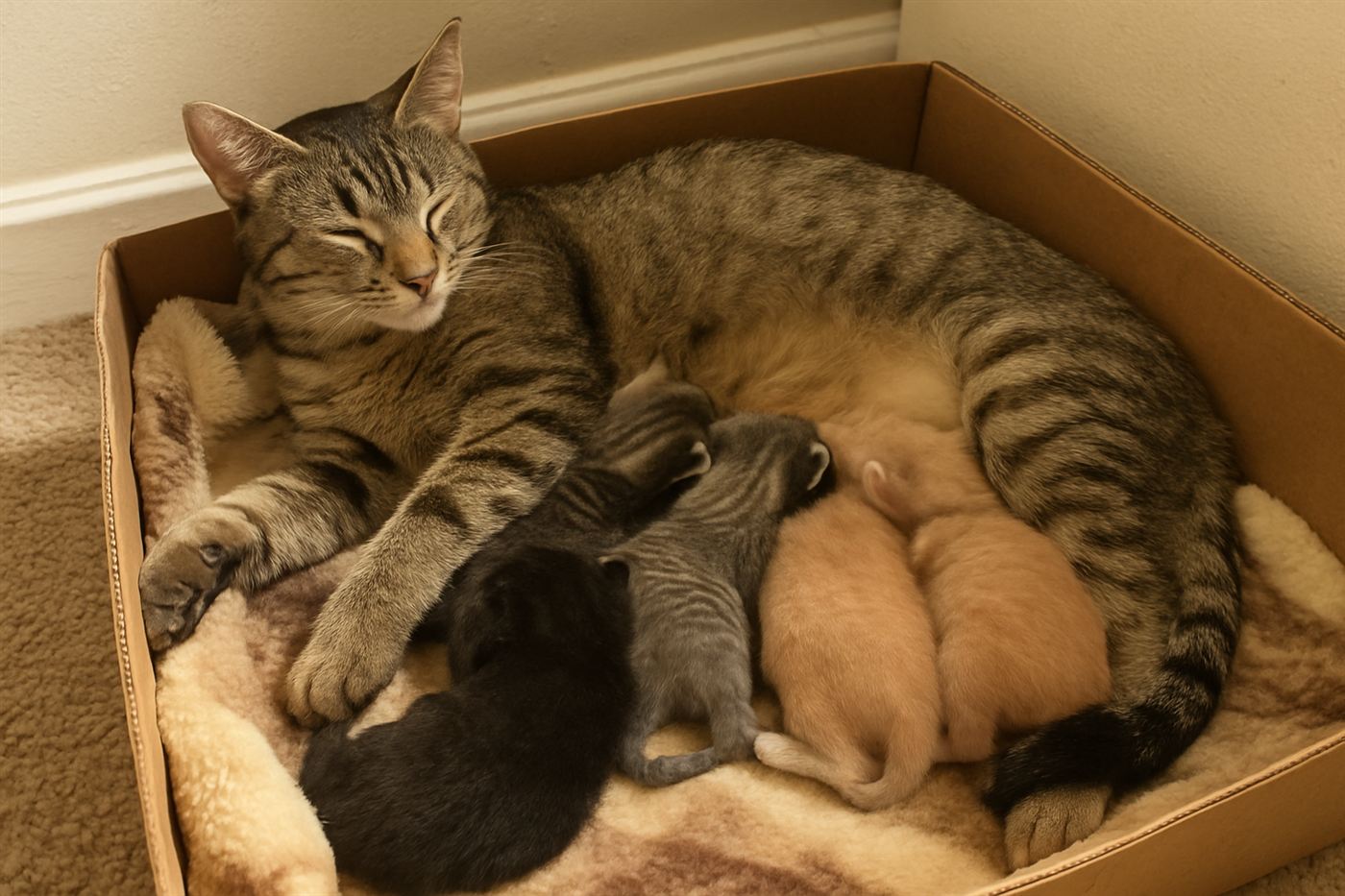
Unspayed queens are seasonally polyestrous and cats are induced ovulators, which is exactly why unmanaged breeding gets out of hand so fast.
Maha Aj is Petfinnly's Cats Health Expert, writing evidence-based cat and kitten care guides for pet owners.
Unspayed queens are seasonally polyestrous and cats are induced ovulators, which is exactly why unmanaged breeding gets out of hand so fast.
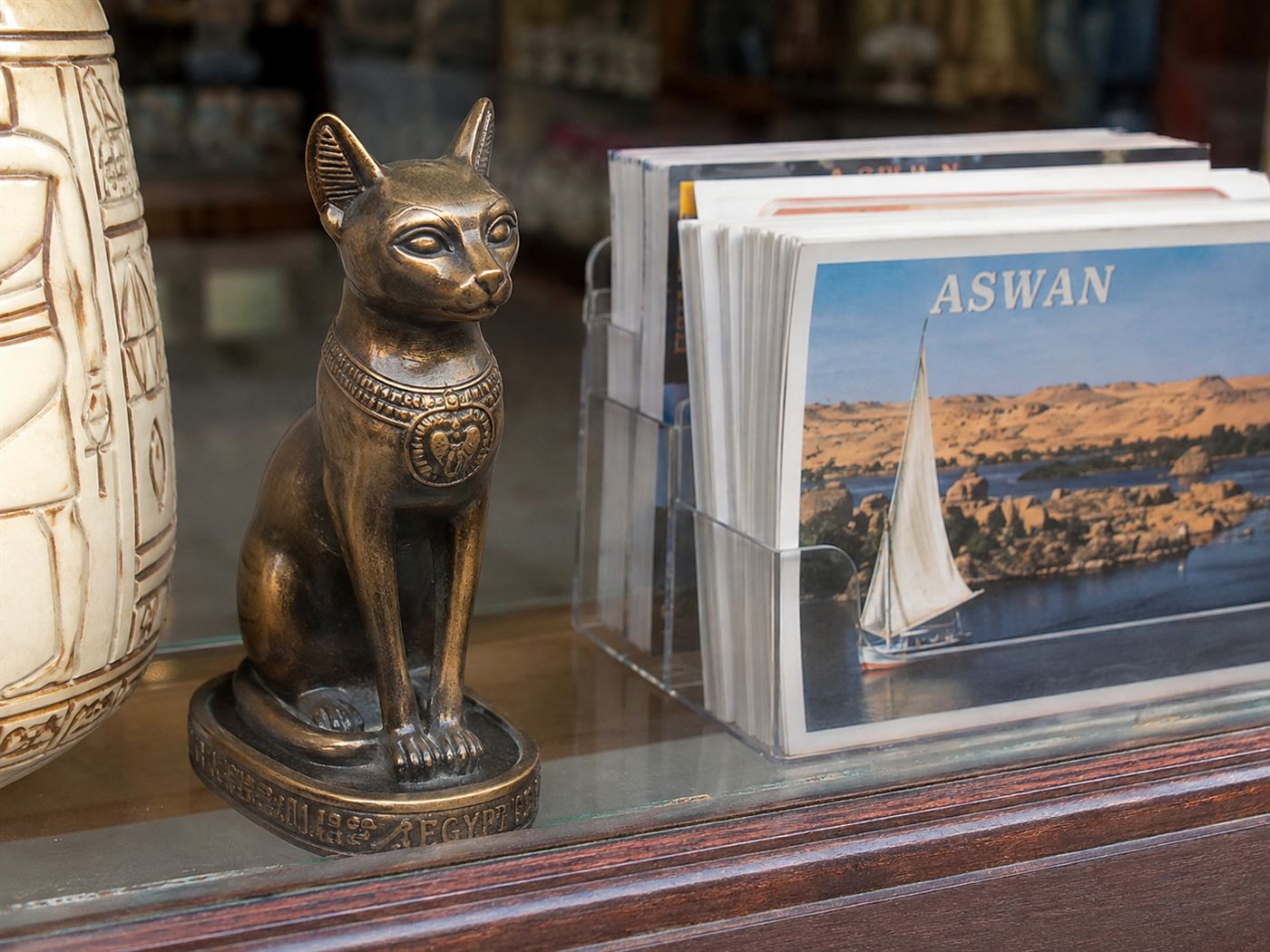
Ancient Egyptians didn't just admire cats, they protected them by law, and the real reason traces back to something as practical as protecting the grain supply.
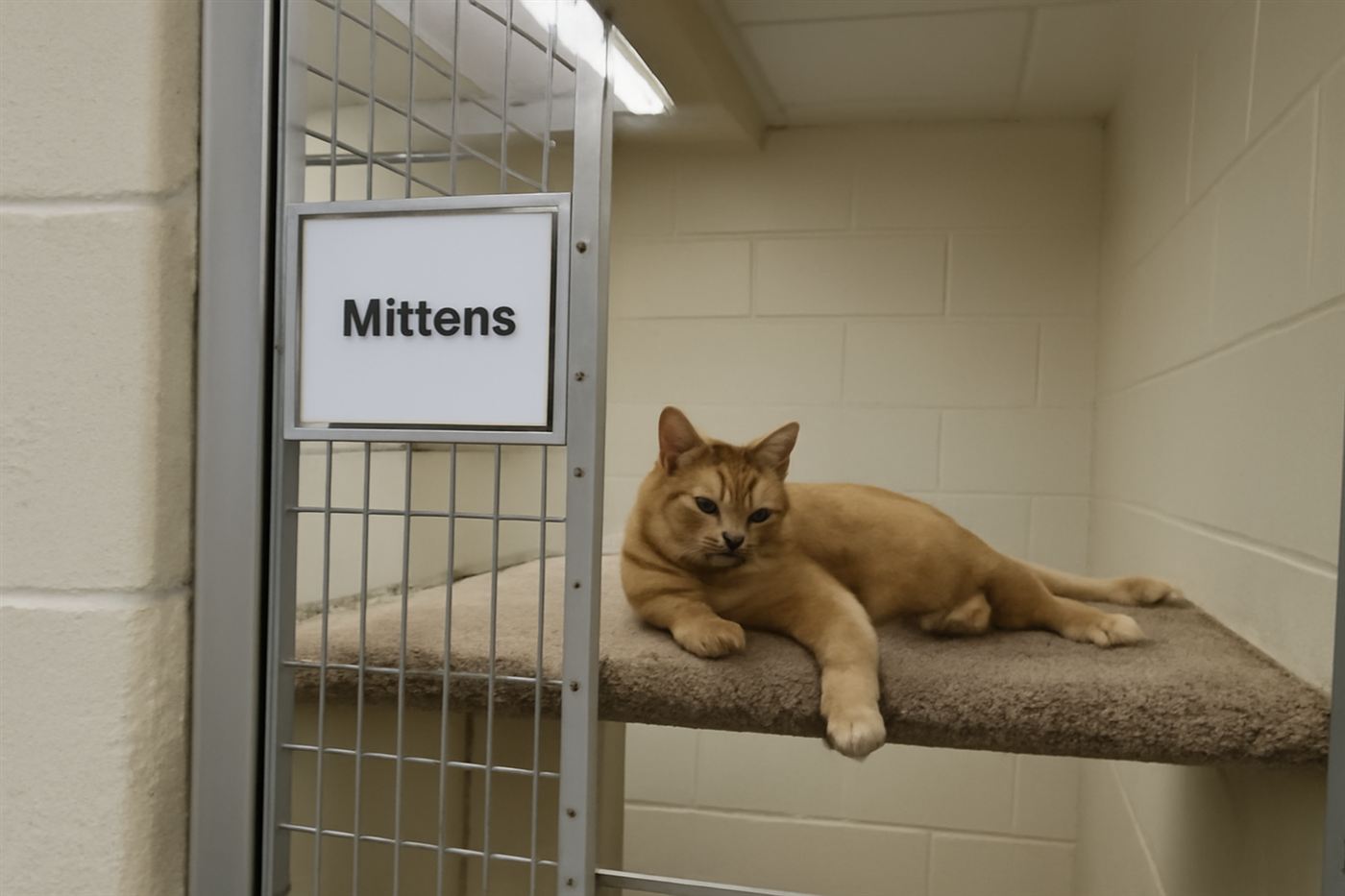
Not every boarding facility that looks nice up front is actually set up to keep a cat calm, healthy and safe during their stay.
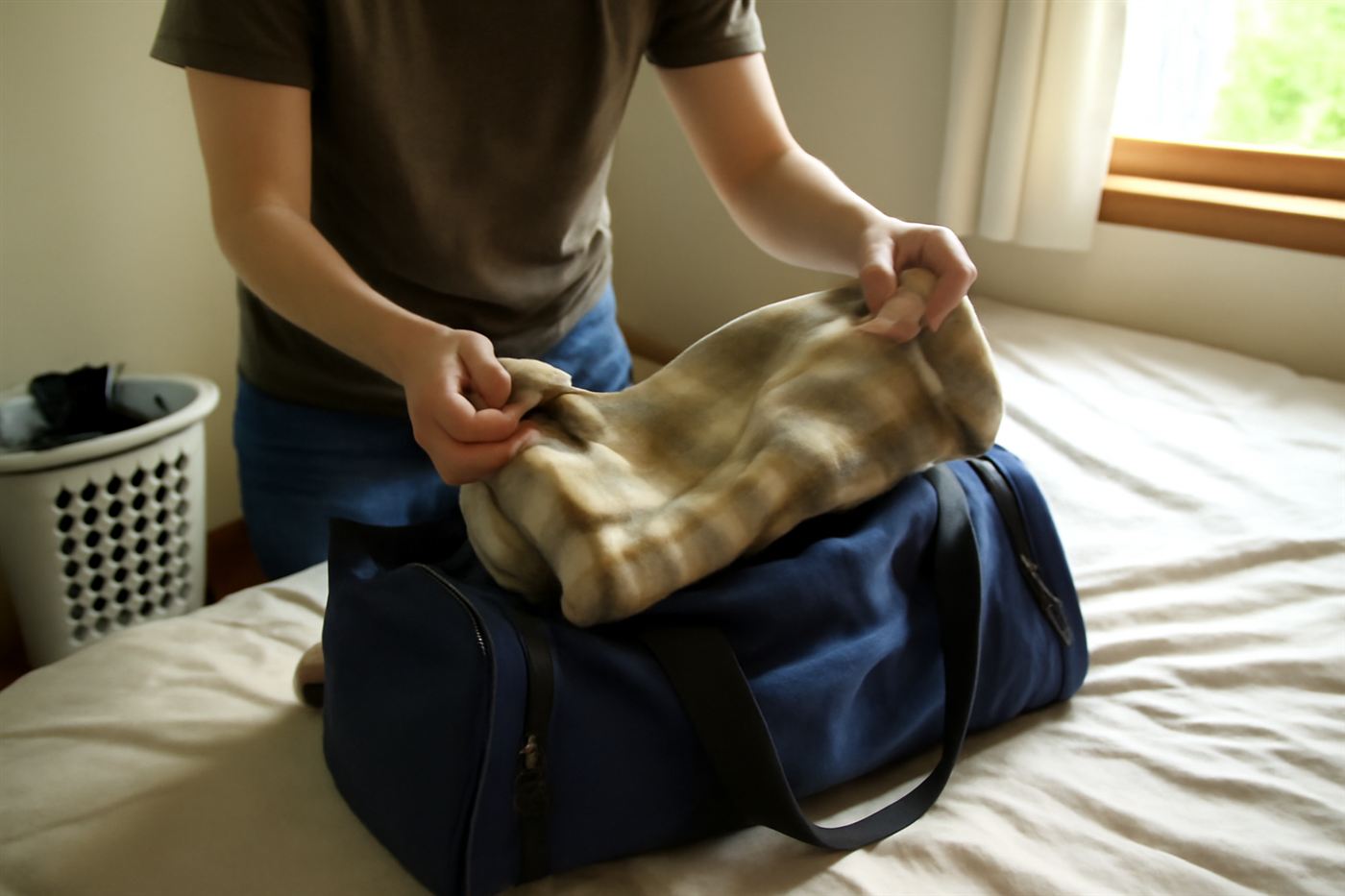
A little prep before drop-off makes the difference between a cat that settles in fast and one that stays stressed the whole stay.
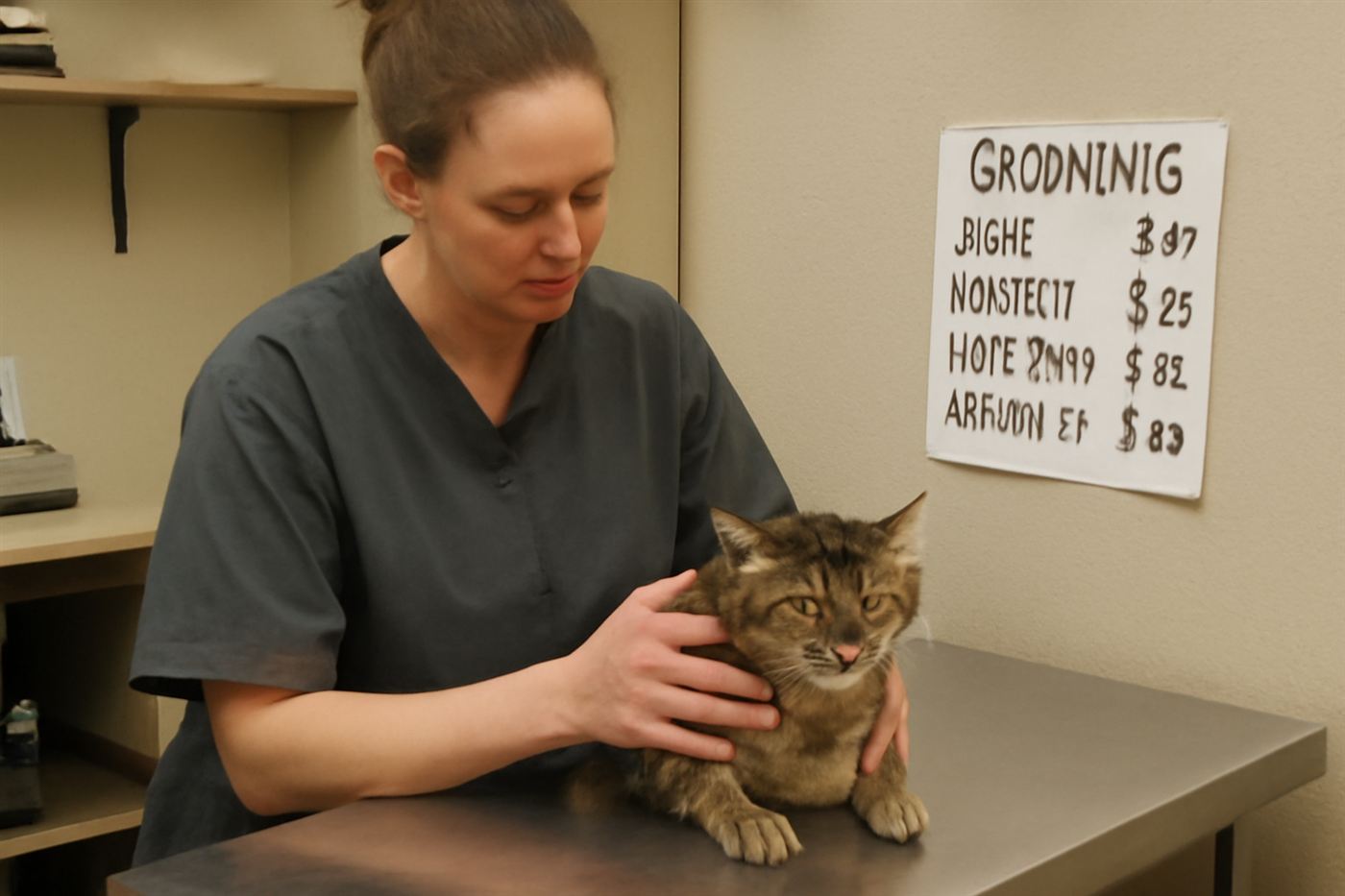
Not every groomer out there handles cats well. Here's what to ask, what to check at the facility and which red flags mean it's time to keep looking elsewhere.
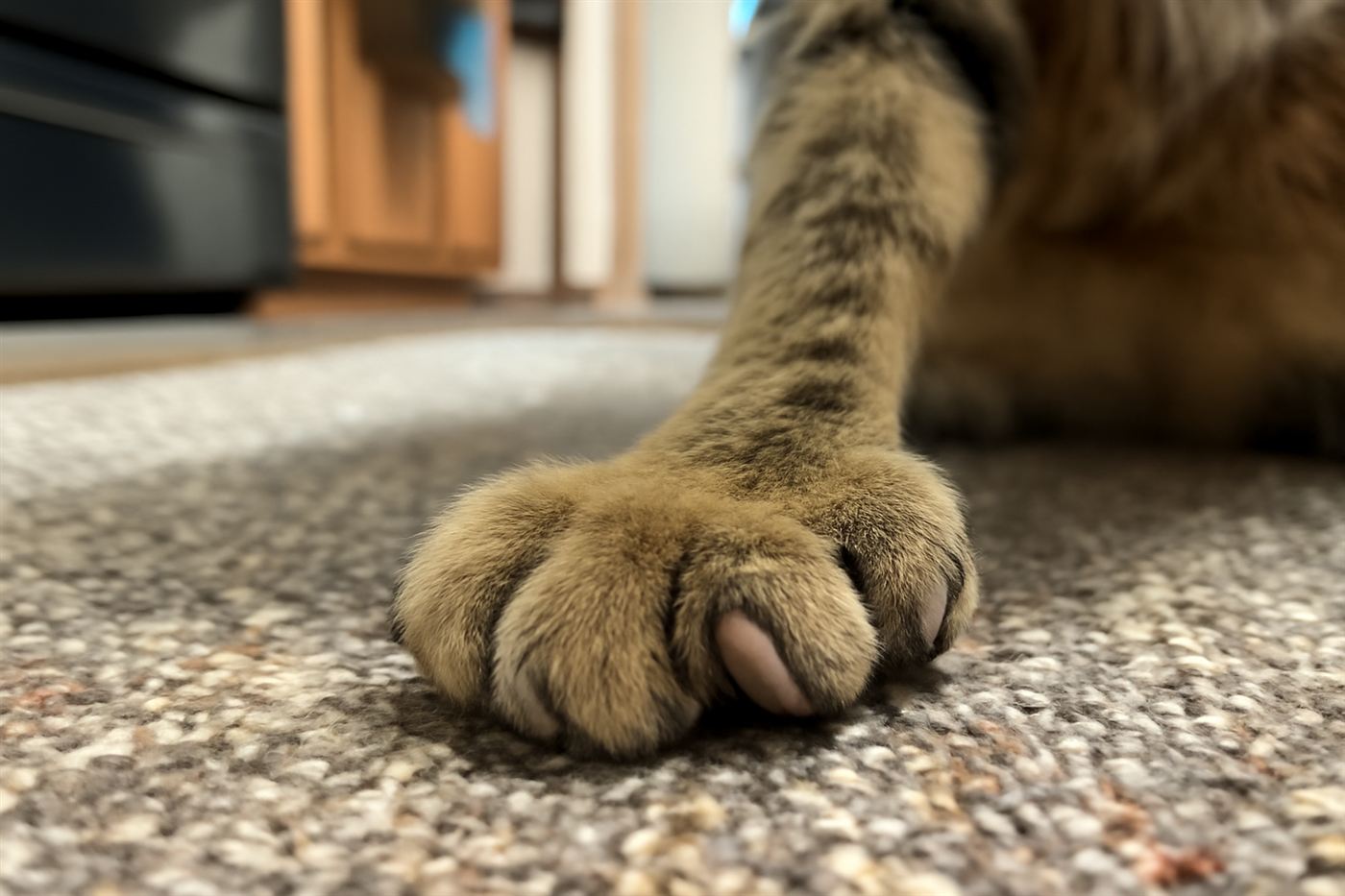
Extra toes come from a single dominant gene, and some places have way more polydactyl cats than others thanks to sailors and old ship cats centuries ago.
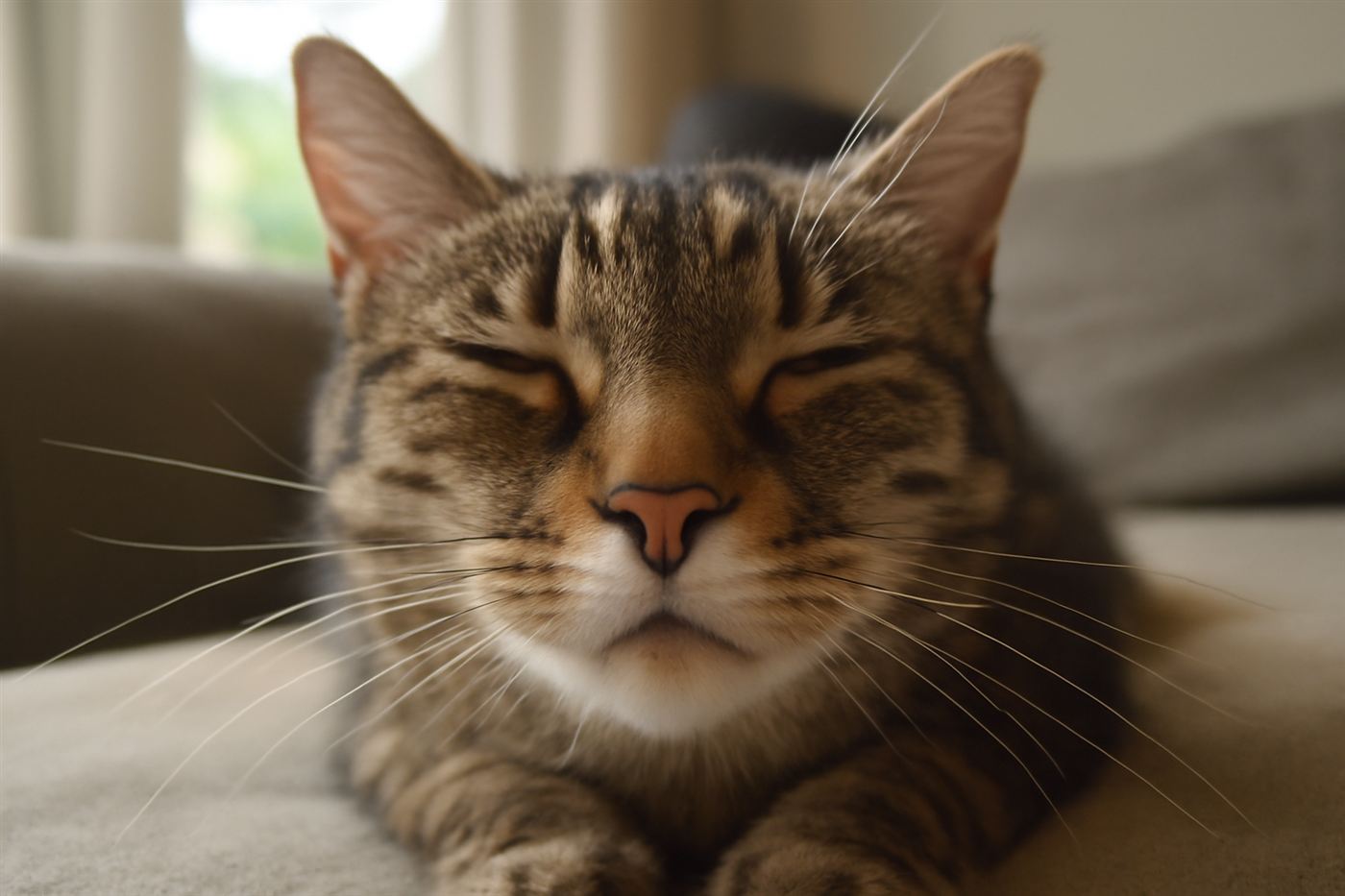
Whiskers aren't just cute fluff, they're a deeply rooted sensor system that reads air currents, judges tight spaces and even shows a cat's mood.
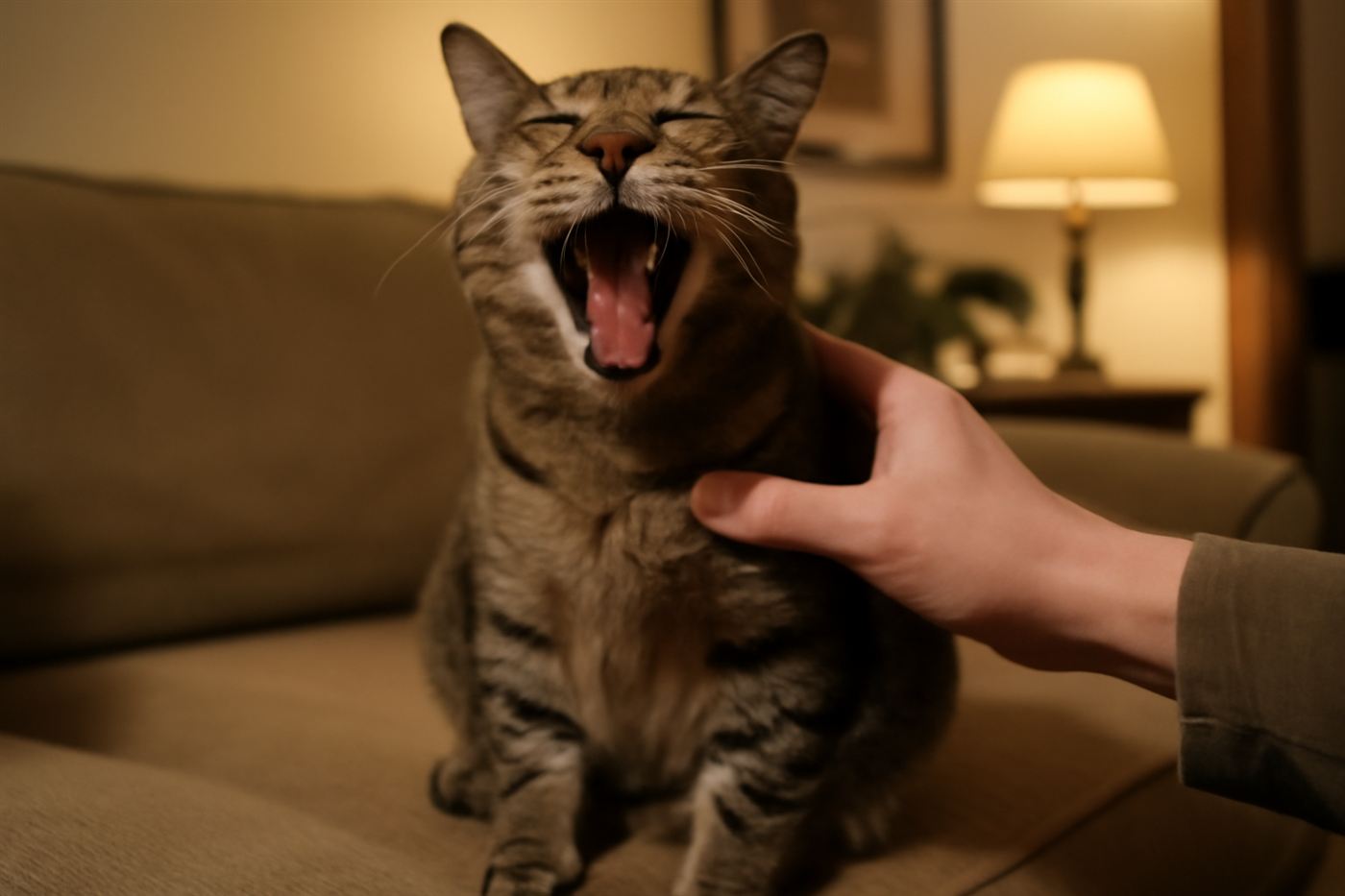
Cats have 30 teeth built for piercing and shearing meat, not grinding, and that single fact explains a lot about how they eat and get dental disease.
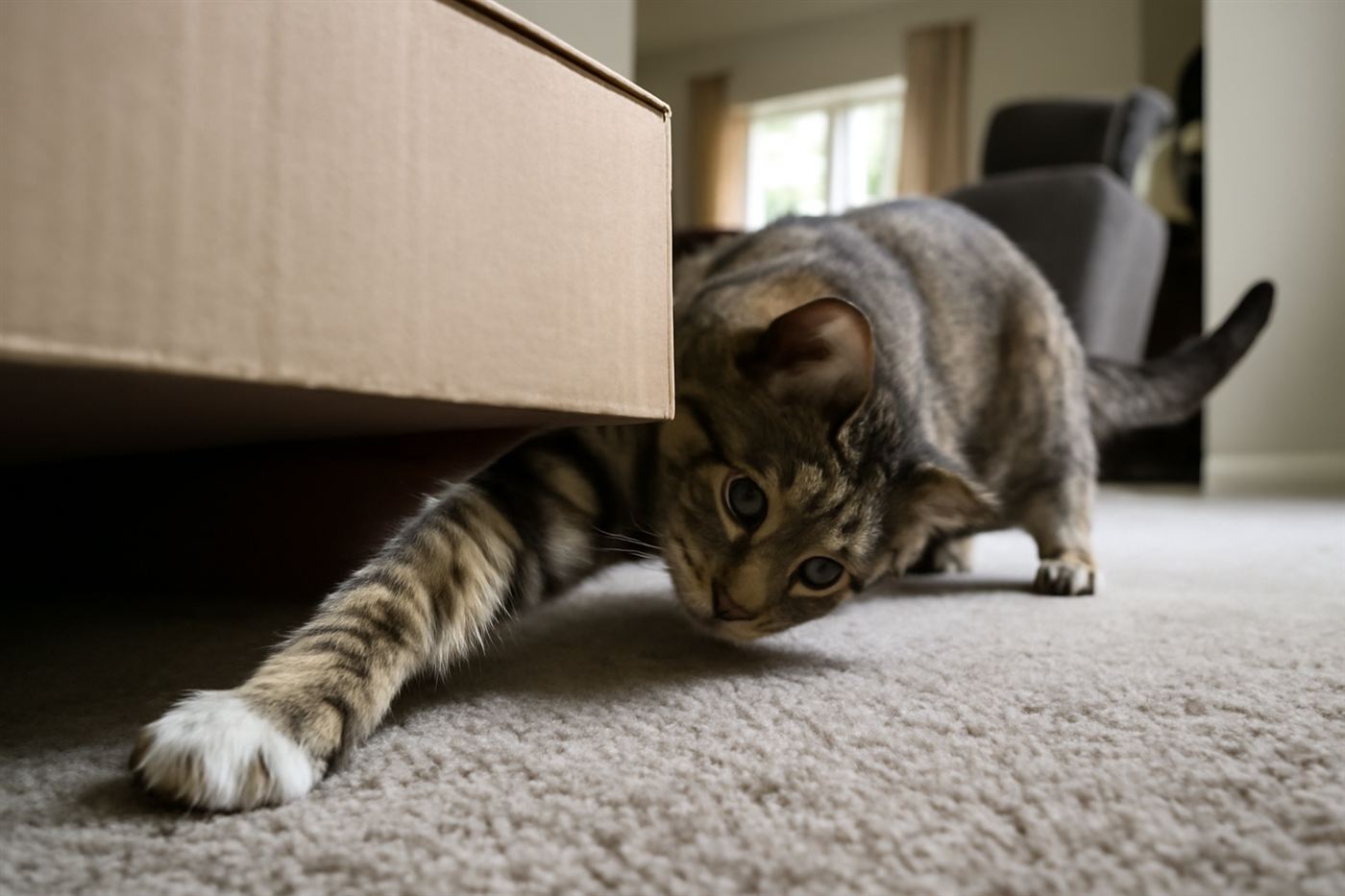
Cats generally pass object permanence tests around the level of a human toddler, and puzzle feeders prove it in everyday life.
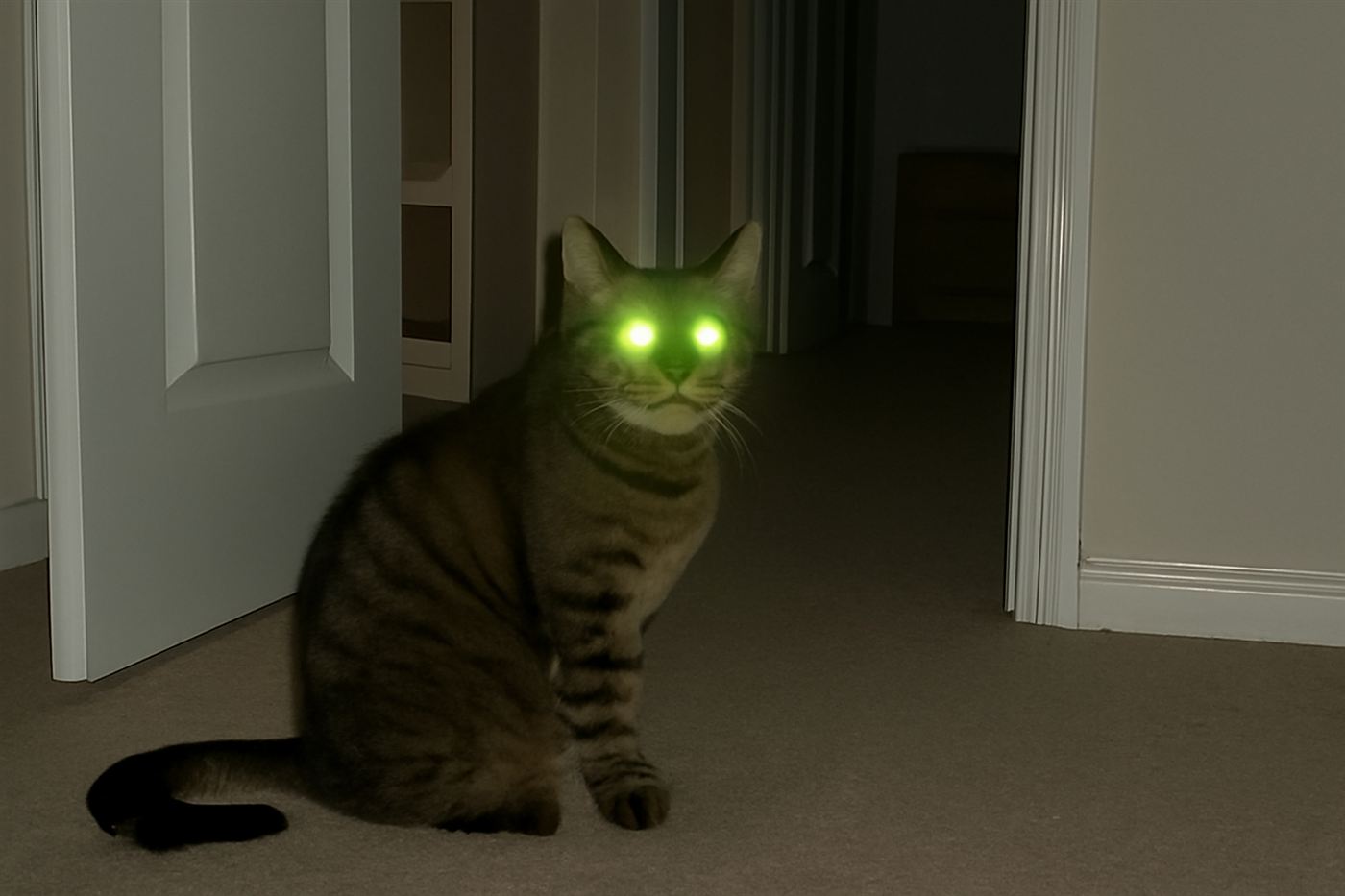
The eerie glow of a cat's eyes in a flashlight beam is a real piece of anatomy doing exactly what it evolved to do.
The "aloof cat" stereotype hasn't aged well, recent research keeps showing cats are far more socially tuned in than people assumed.
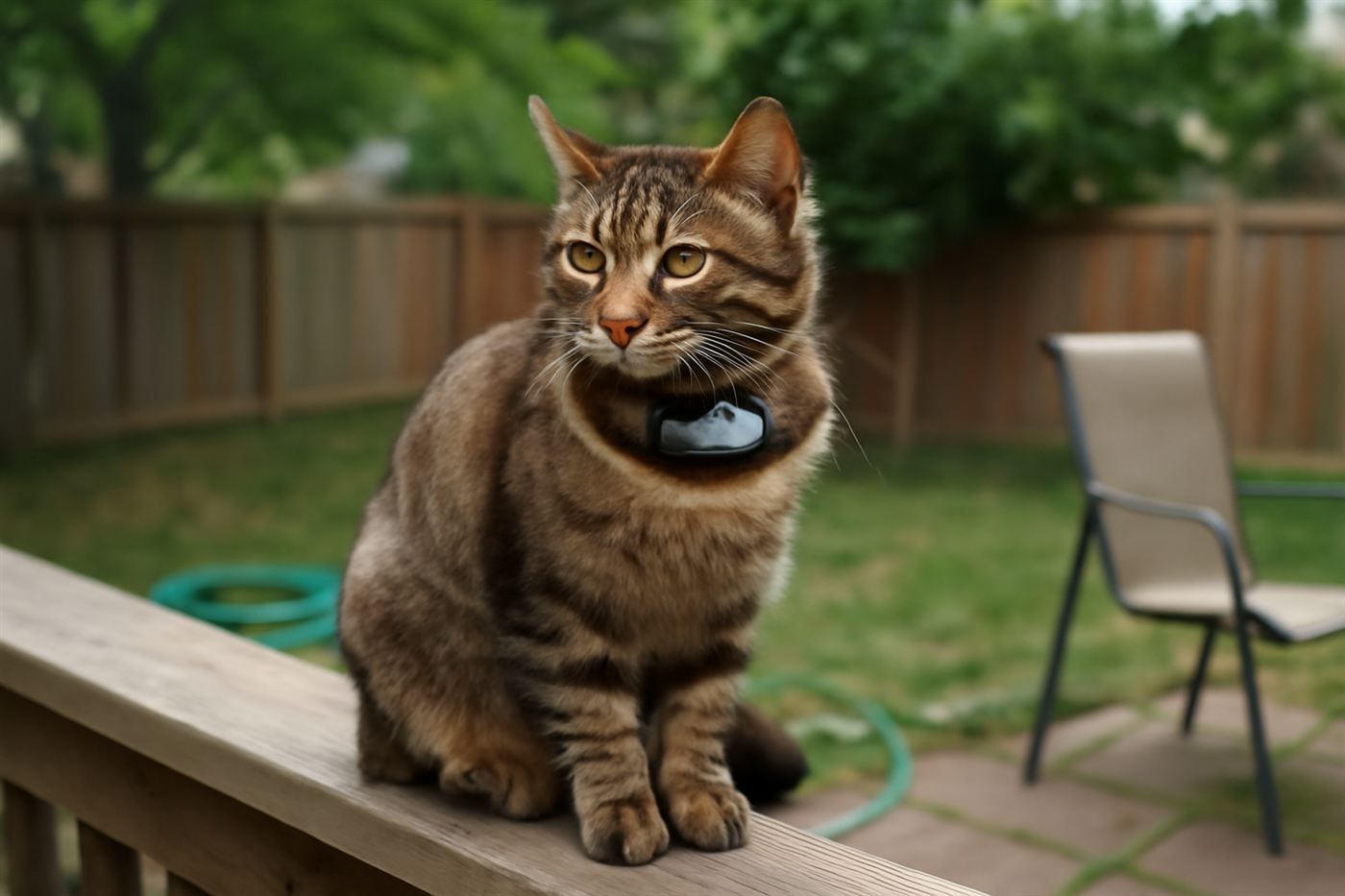
You don't need a lab to contribute to cat science anymore, GPS collars, behavior apps and DNA kits are turning owners into real data sources.