How Cat Claws Actually Work: The Anatomy Behind Retractable Claws
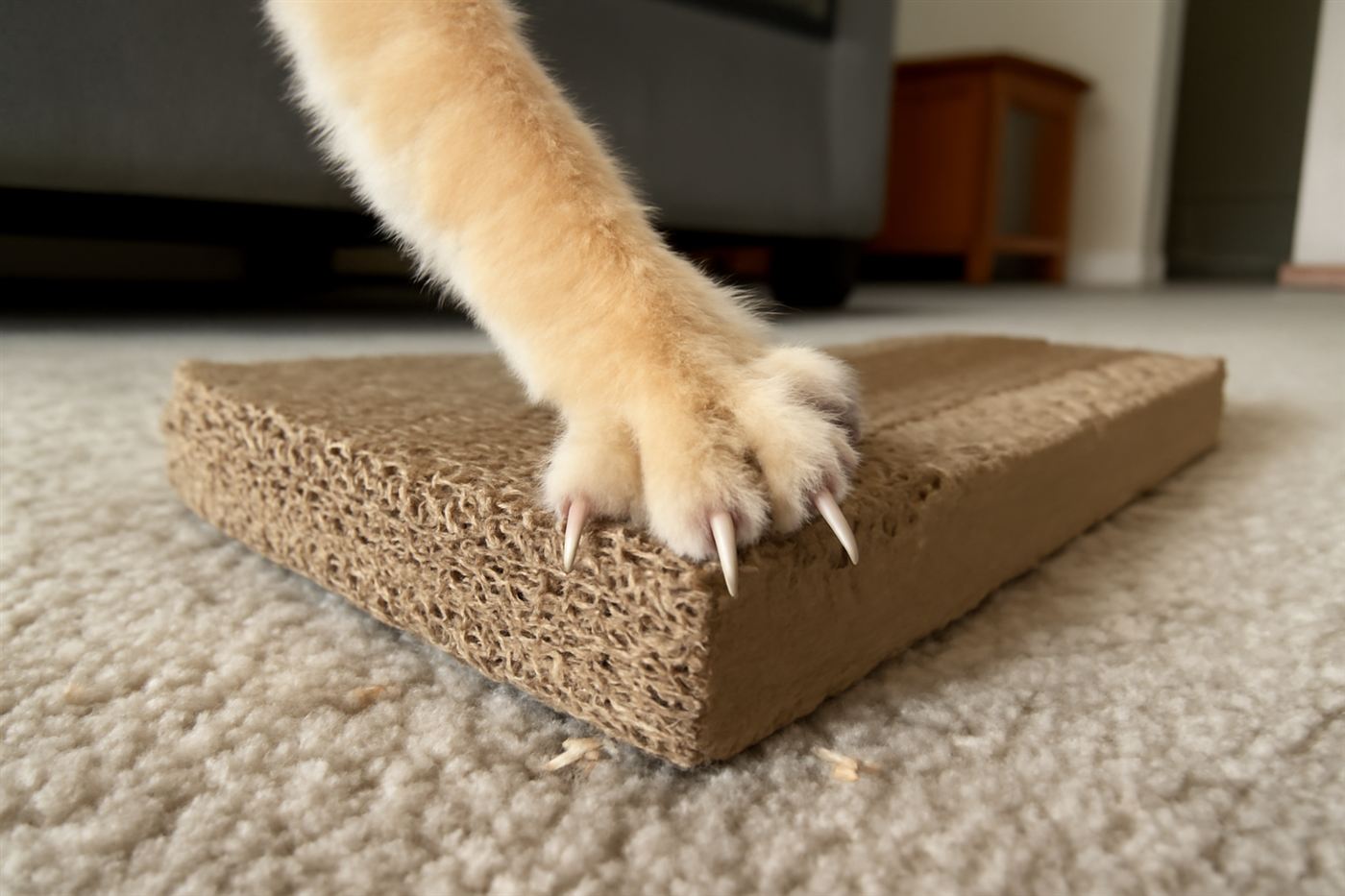
Cat claws stay sharp because of a ligament-and-tendon mechanism dogs don't have, and understanding it explains why declawing is so much more than a nail trim.
A Basit K is Petfinnly's Cats and Kittens Specialist, writing evidence-based cat and kitten care guides for pet owners.
Cat claws stay sharp because of a ligament-and-tendon mechanism dogs don't have, and understanding it explains why declawing is so much more than a nail trim.
Cats have nearly double the cortical neurons of dogs, so the "dumb cat" idea says more about compliance than actual brainpower.
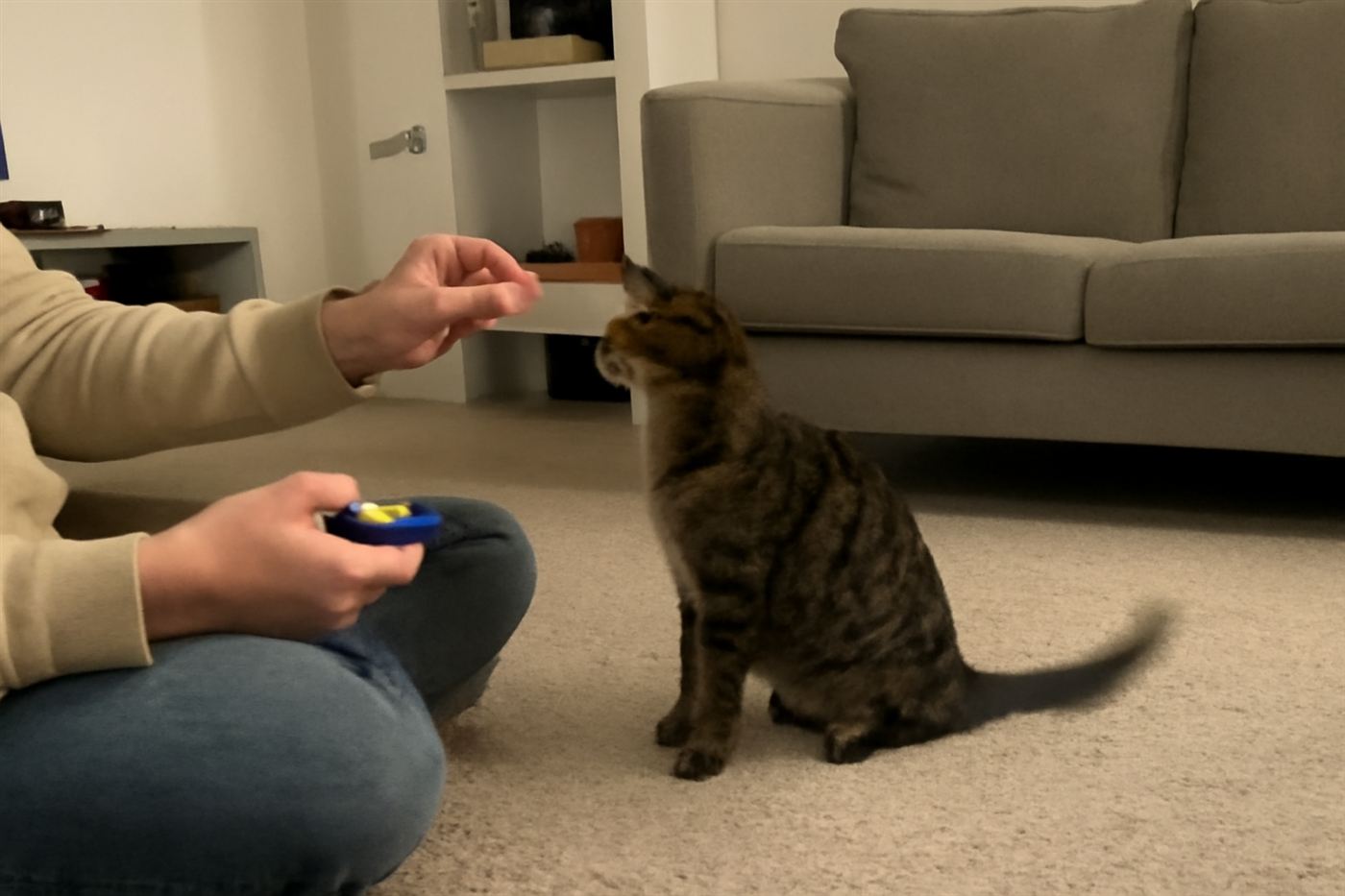
Cats respond great to clicker training and treats, they just need short, reward-only sessions instead of the methods that work on dogs.
Cats see a wider slice of the world than we do, but they're also blurry up close in a way most owners never notice.
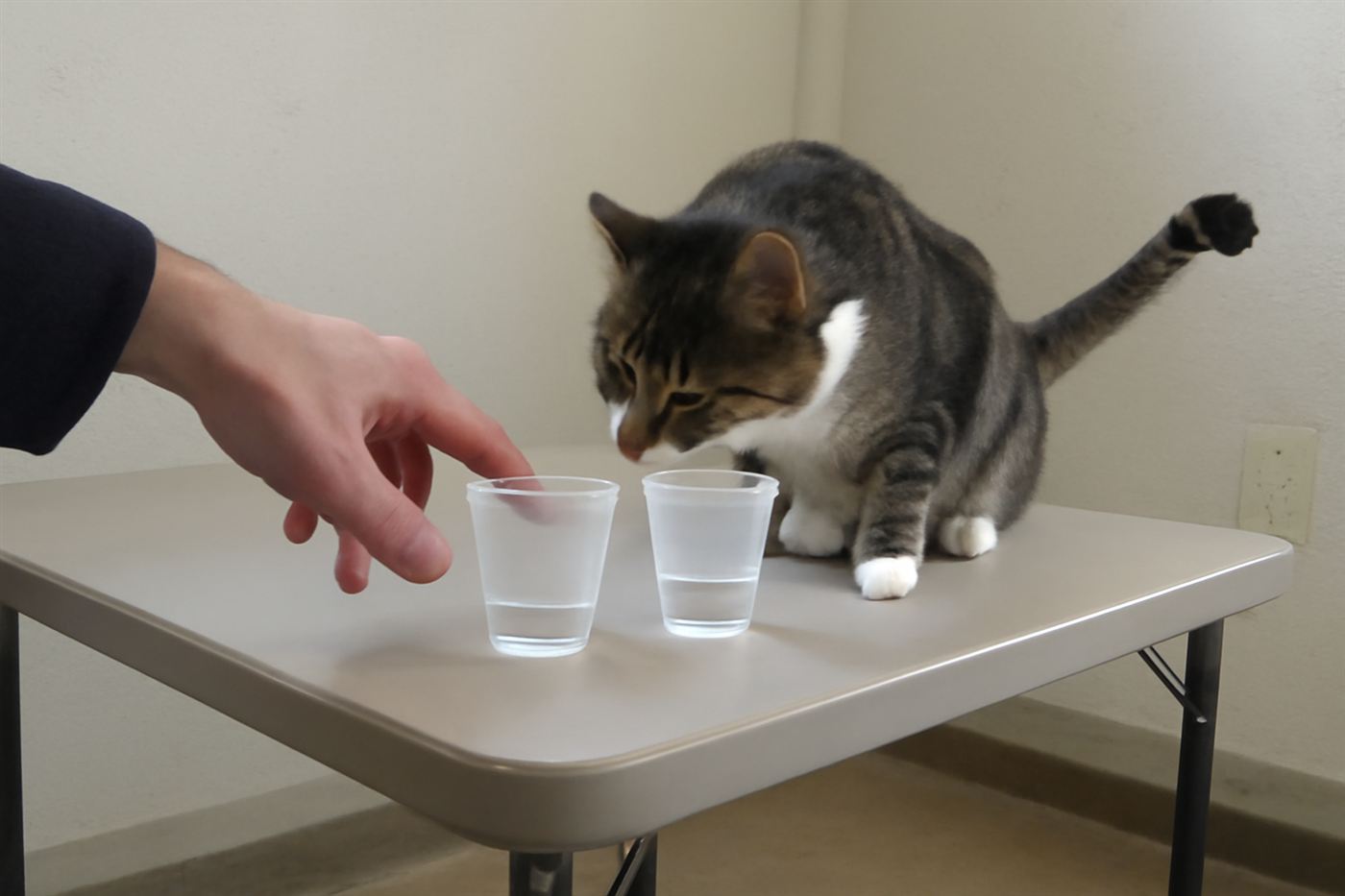
Cats won't perform on command like dogs, so researchers had to invent entirely different ways to figure out what's going on in their heads.
Nearly every house cat alive today traces back to one wild cat species that moved in near Near Eastern grain stores about 10,000 years ago.
Getting an exact global feral cat count is basically impossible, but the numbers in just the US alone are staggering.
Cats spent most of history earning their keep as pest control, and one 1940s invention is a big reason that finally changed.
Pupil size is doing two jobs at once: controlling light, and broadcasting fear, excitement, or focus. Here's the research behind both, and why cats have slit pupils at all.
Cats are built to hide pain, but a validated facial scoring system, developed at the University of Montreal, can catch it without ever touching the cat.
In a young cat it's often just attention-seeking. In a senior cat, new nighttime yowling is a recognized sign of cognitive decline or an overactive thyroid.
That short, rolling "brrp" sound cats make on the way over to greet you starts as mother-to-kitten communication and often sticks around for life.