Cat Ear Anatomy and Hearing: How a Cat's Ears Actually Work
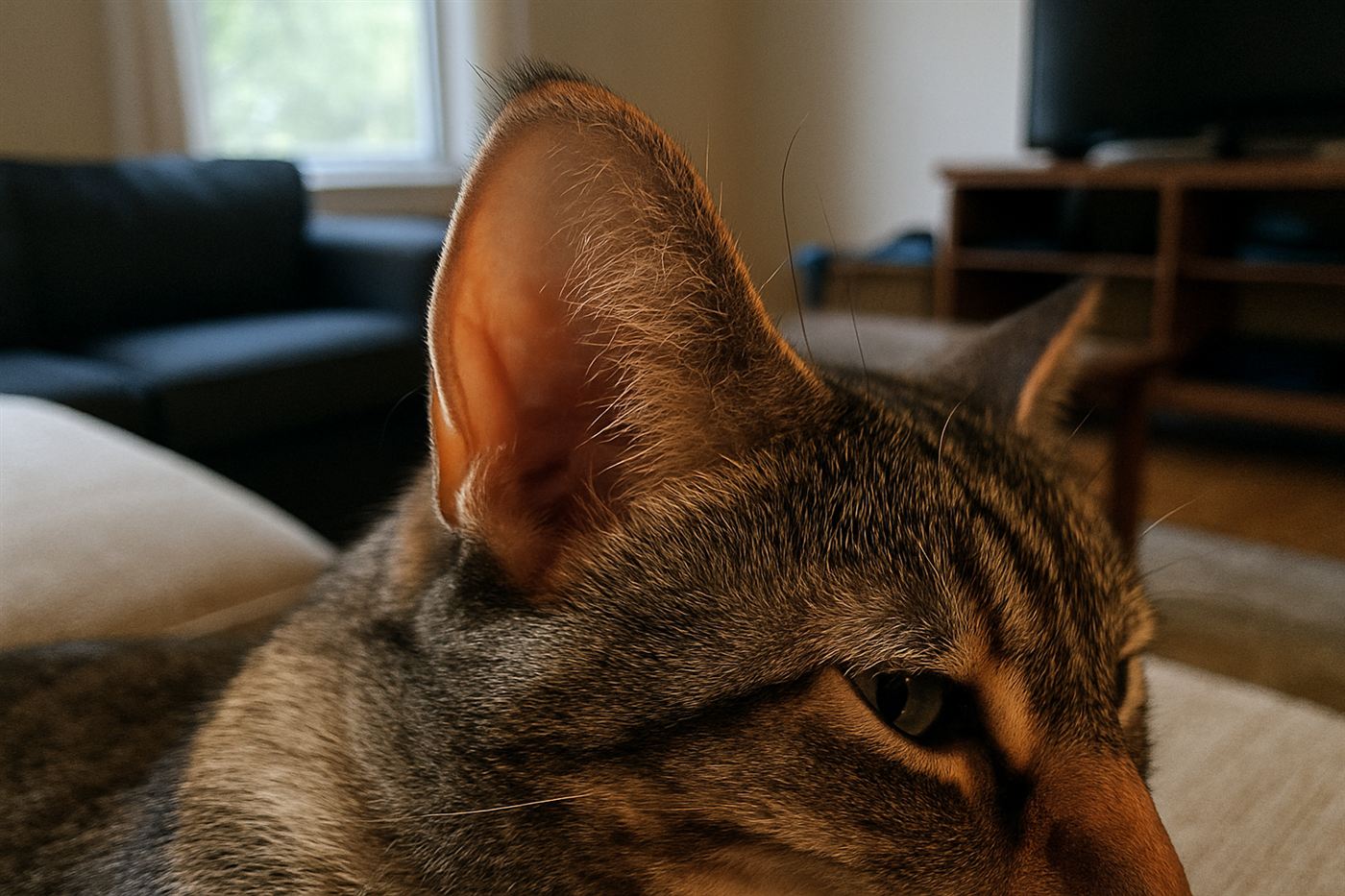
Cats have 32 muscles per ear, an L-shaped canal prone to infection and hearing that runs well past human and dog range. Here's the full anatomy, hearing range and what causes deafness.
Posts tagged "Cat Science" · All posts
Cats have 32 muscles per ear, an L-shaped canal prone to infection and hearing that runs well past human and dog range. Here's the full anatomy, hearing range and what causes deafness.
A cat's nose has around 200 million scent receptors, a second smell organ behind the incisors and a nose print as unique as a fingerprint. Here's how it all works.
A cat's tail has up to 23 vertebrae, works as a counterweight and can signal mood down to the twitch of the tip. Here's the full anatomy and why tail base injuries are serious.
Cats have about 230 bones, a floating collarbone and a spine that twists nearly 180 degrees. Here's the real anatomy behind squeezing through tight spaces.
A cat's heart beats up to twice as fast as a human's and pumps a surprisingly large blood volume through a body the size of a walnut's namesake organ.
A cat's gut is built almost entirely around meat, from stomach acid strong enough to dissolve bone to a liver that can't safely process common human medications.
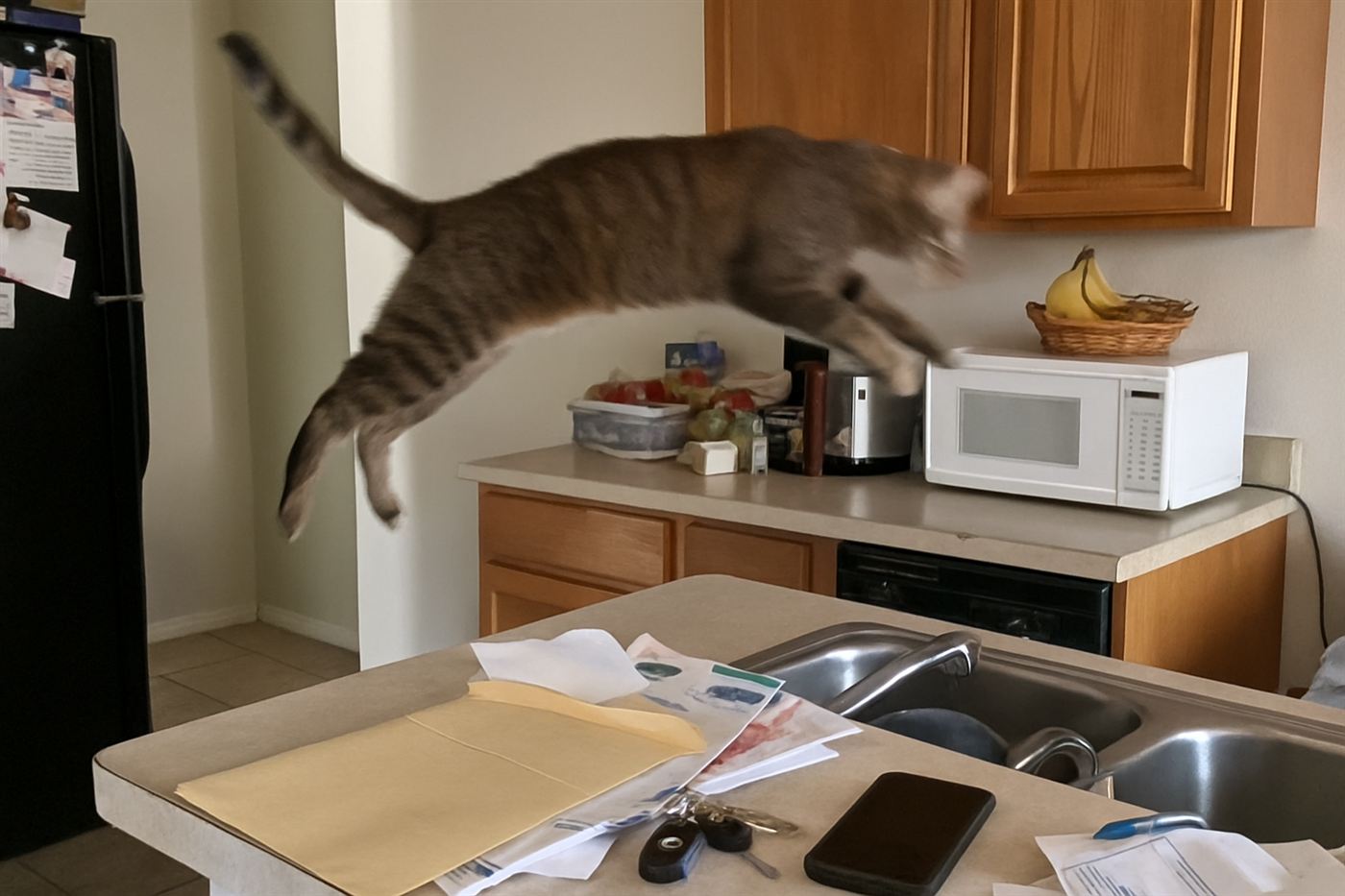
A cat can hit 30 mph and jump six times its own body length, then need a long nap right after, and that combination isn't an accident.
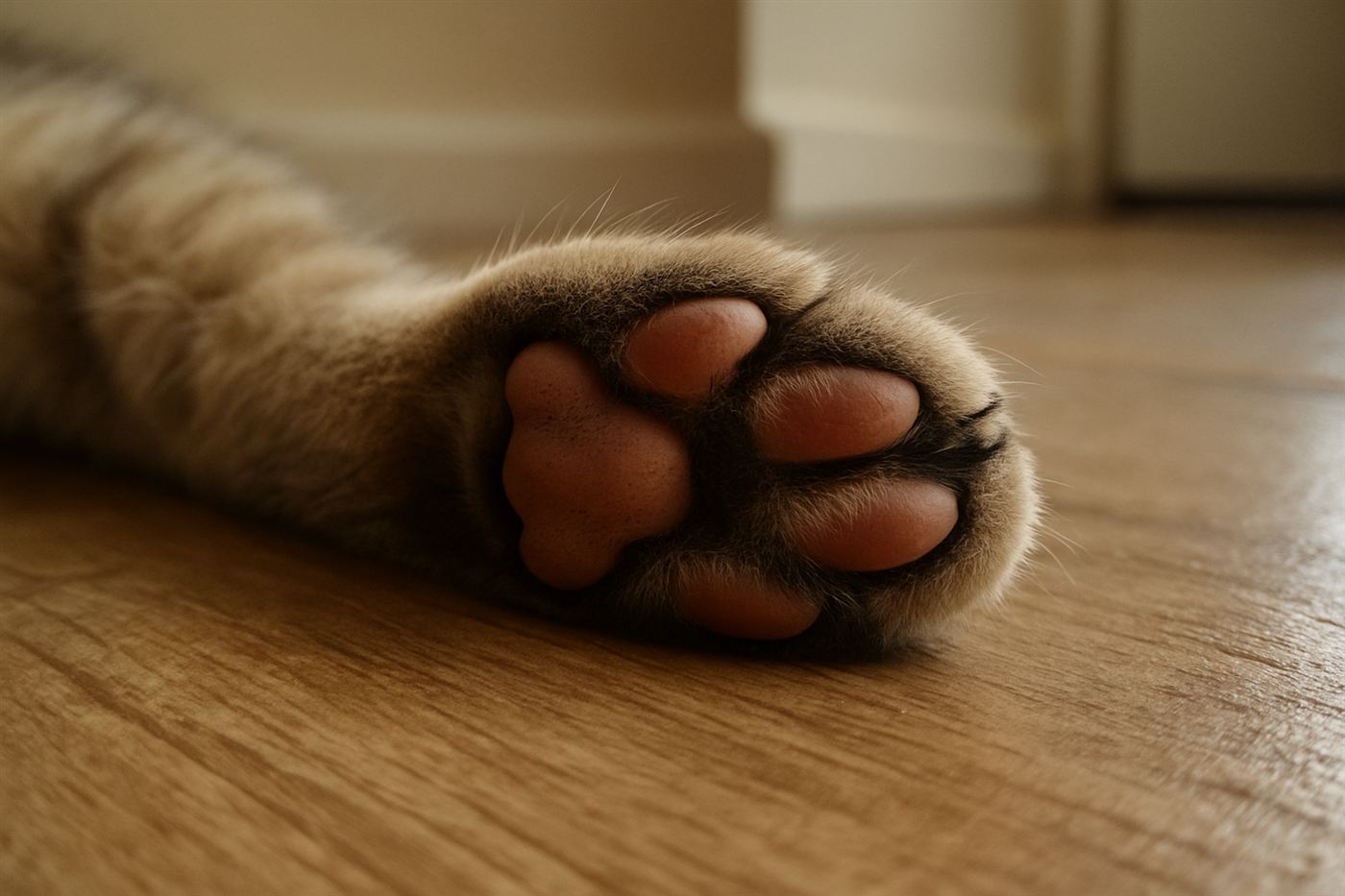
A cat's only real sweat glands are hiding in its paws, which explains a lot about why cats barely pant and cool down so differently from dogs.
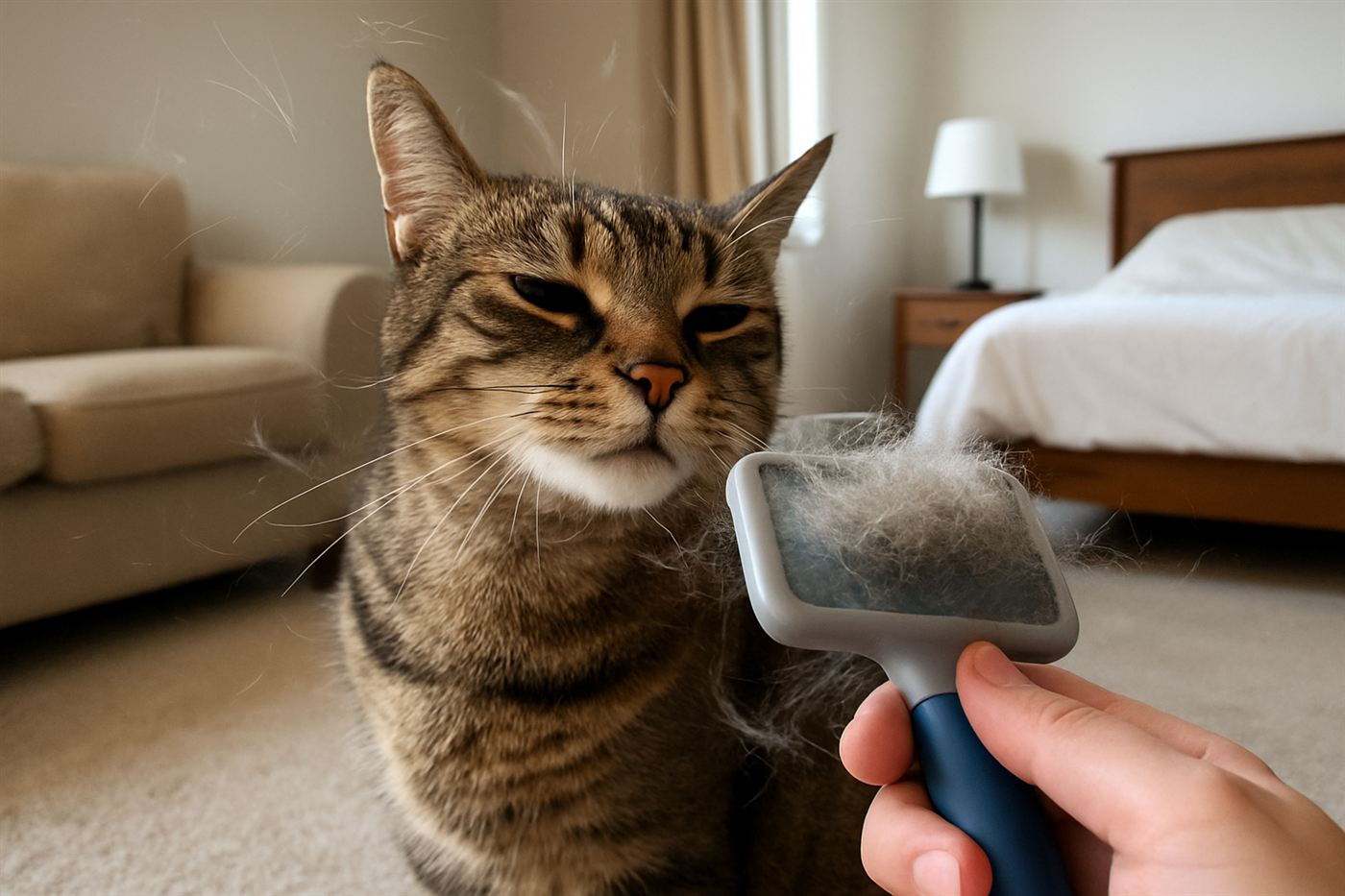
A cat's coat is built from three distinct hair types, each with its own job. Here's how guard hairs, awn hairs and down hairs work together and why some breeds shed so much more than others.
A cat's brain weighs about 25 to 30 grams but packs in roughly 250 to 300 million cortical neurons. Here's a tour of the cerebrum, cerebellum, brainstem and olfactory bulb.
Unspayed queens are seasonally polyestrous and cats are induced ovulators, which is exactly why unmanaged breeding gets out of hand so fast.
The X chromosome explains why orange cats skew heavily male, and why calico and tortoiseshell cats are almost always female, extra X chromosome and all.