Polydactyl Cats: The Genetics Behind Extra Toes
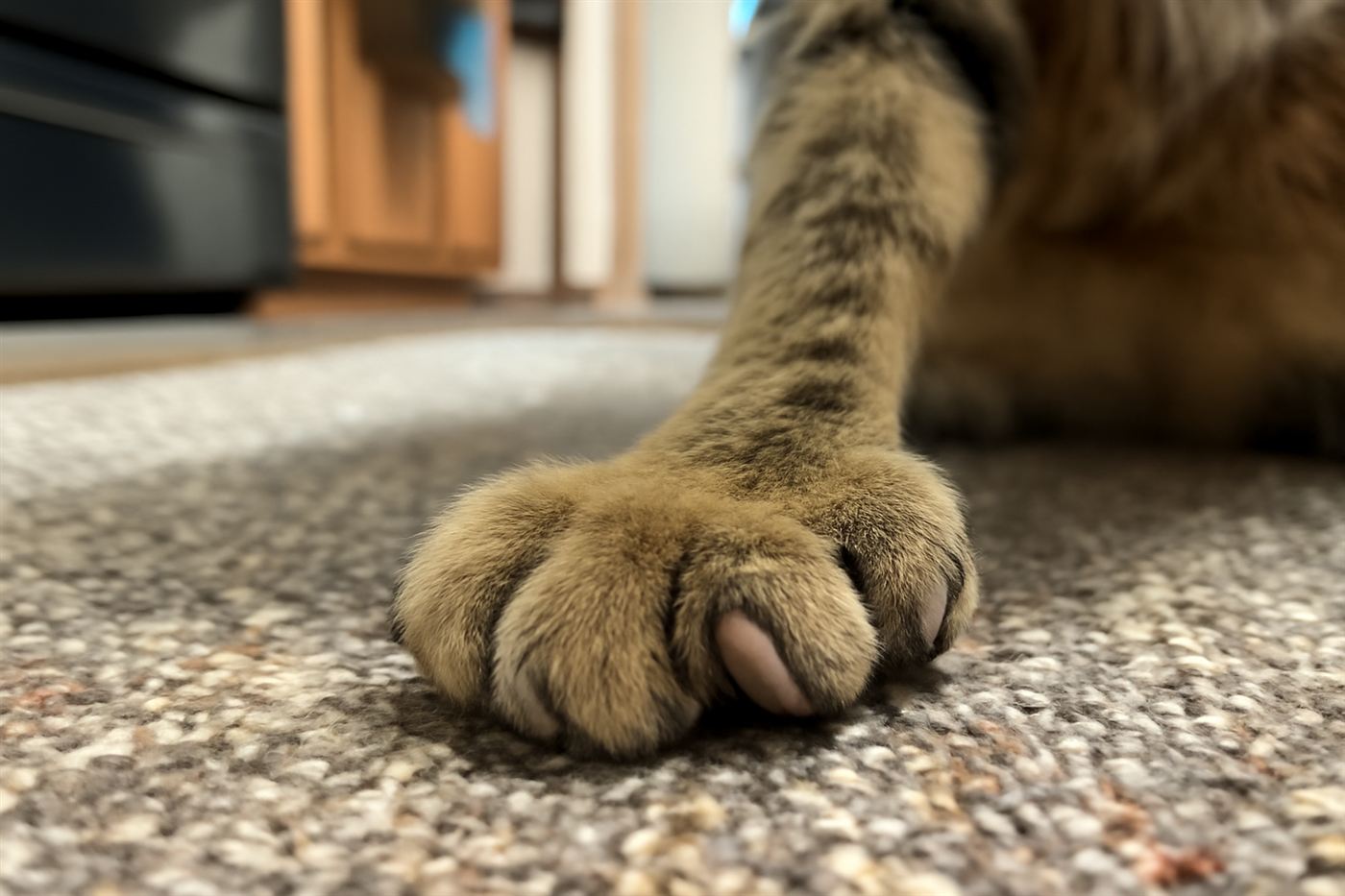
Extra toes come from a single dominant gene, and some places have way more polydactyl cats than others thanks to sailors and old ship cats centuries ago.
Posts tagged "Cat Science" · All posts
Extra toes come from a single dominant gene, and some places have way more polydactyl cats than others thanks to sailors and old ship cats centuries ago.
Purebred cats carry more breed-specific health risks from a smaller gene pool, while mixed breeds get more genetic diversity. Here's what that actually means.
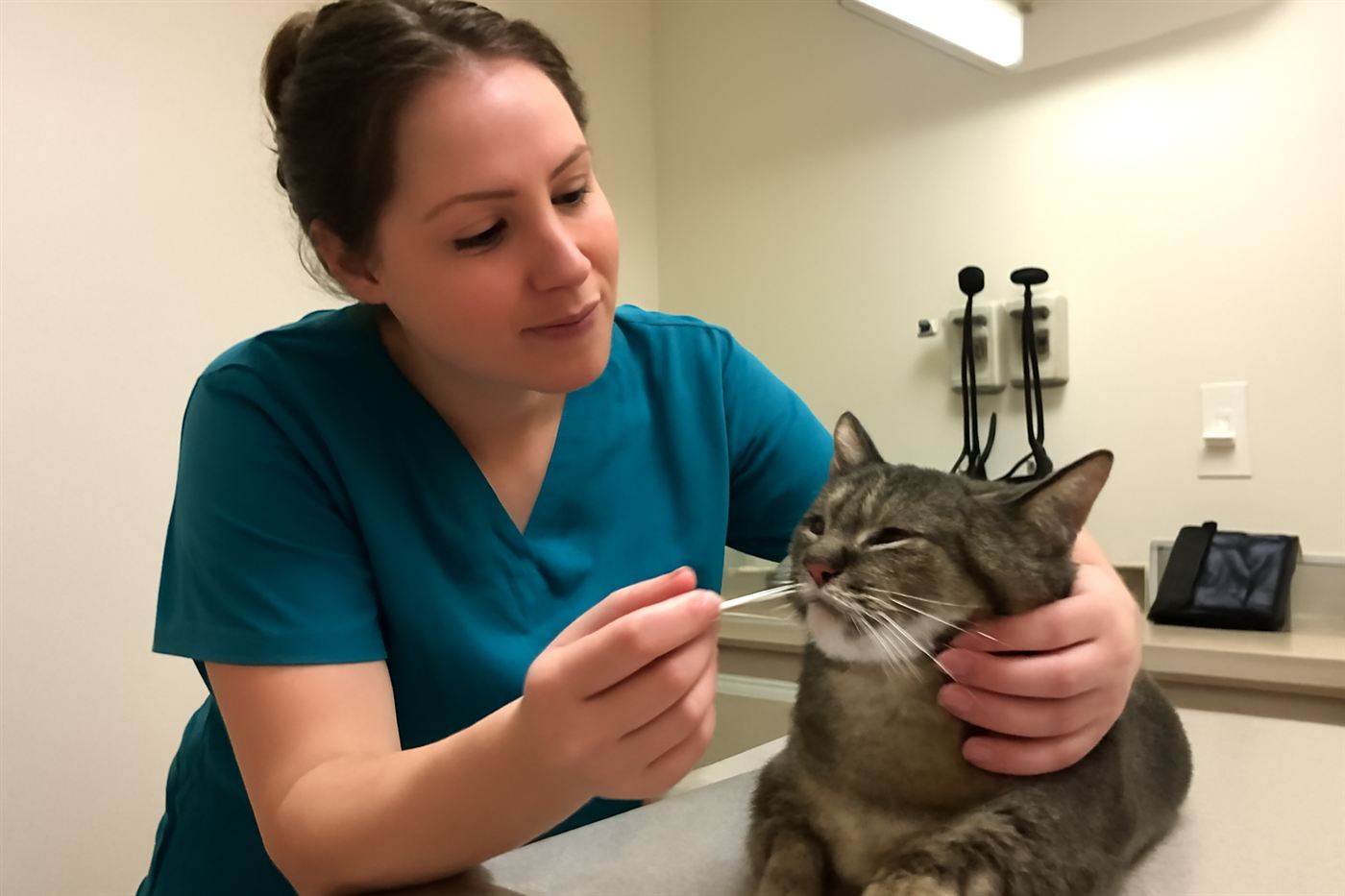
Cheek swab DNA tests can flag breed ancestry and known disease mutations in cats, but they genuinely can't predict everything about a cat's future health.
Whiskers aren't just cute fluff, they're a deeply rooted sensor system that reads air currents, judges tight spaces and even shows a cat's mood.
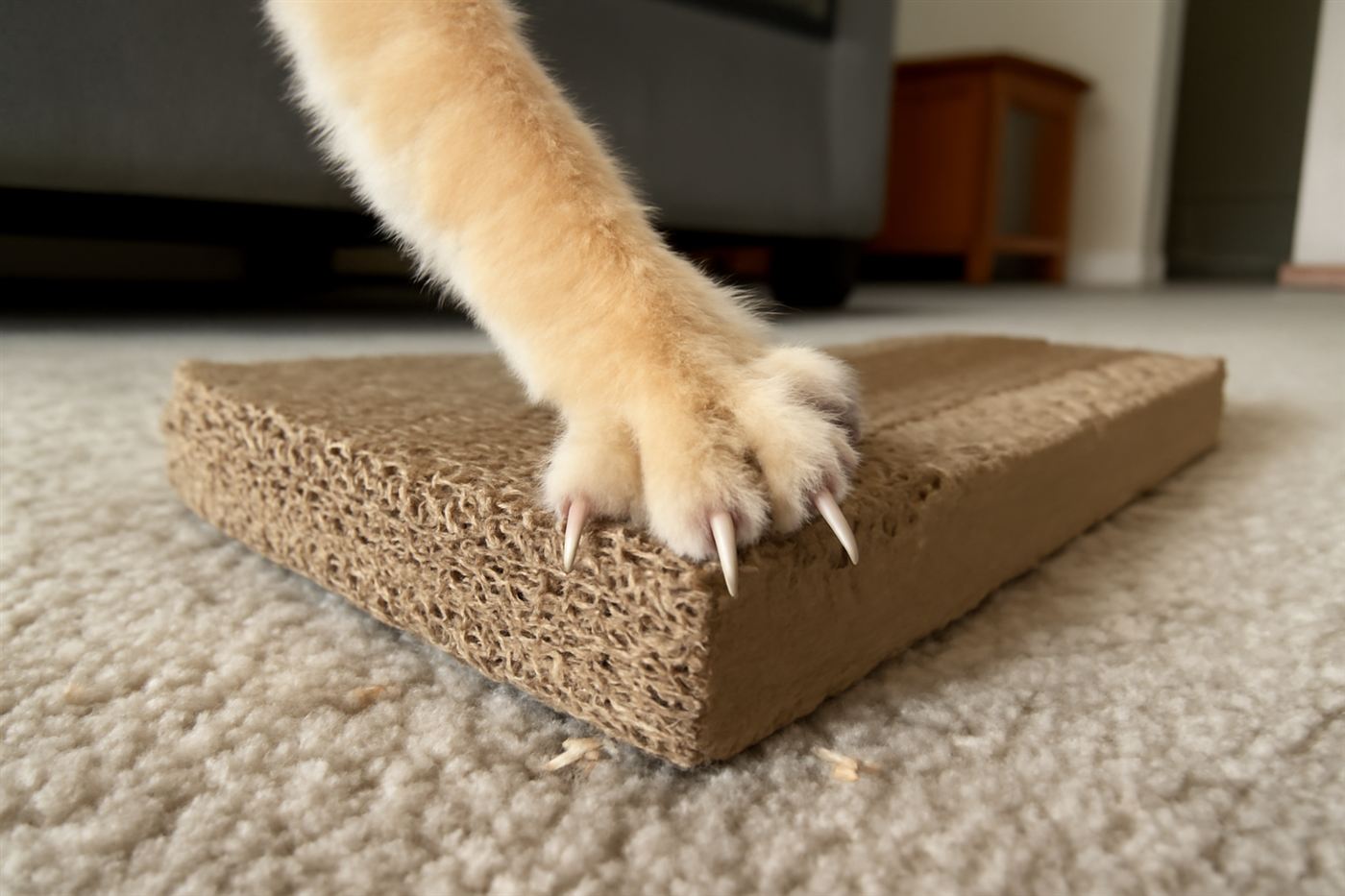
Cat claws stay sharp because of a ligament-and-tendon mechanism dogs don't have, and understanding it explains why declawing is so much more than a nail trim.
The "cats always land on their feet" myth comes from a real reflex built on inner ear balance and an ultra-flexible spine, but it isn't foolproof.
Cats have 30 teeth built for piercing and shearing meat, not grinding, and that single fact explains a lot about how they eat and get dental disease.
Cats have nearly double the cortical neurons of dogs, so the "dumb cat" idea says more about compliance than actual brainpower.
Cats hold onto memories of people, places and bad experiences for years, and that memory is a big part of why routine matters so much to them.
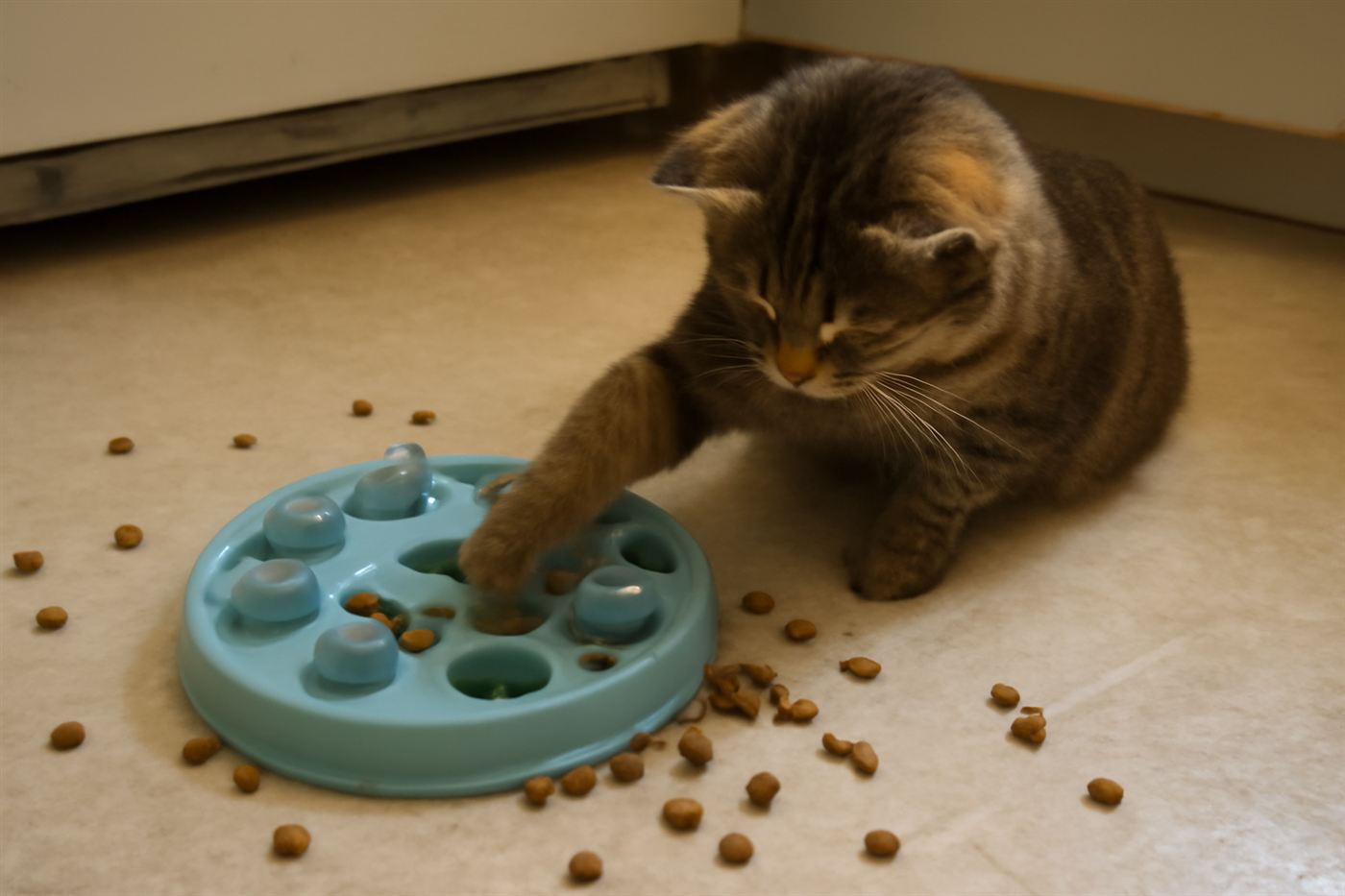
Cats generally pass object permanence tests around the level of a human toddler, and puzzle feeders prove it in everyday life.
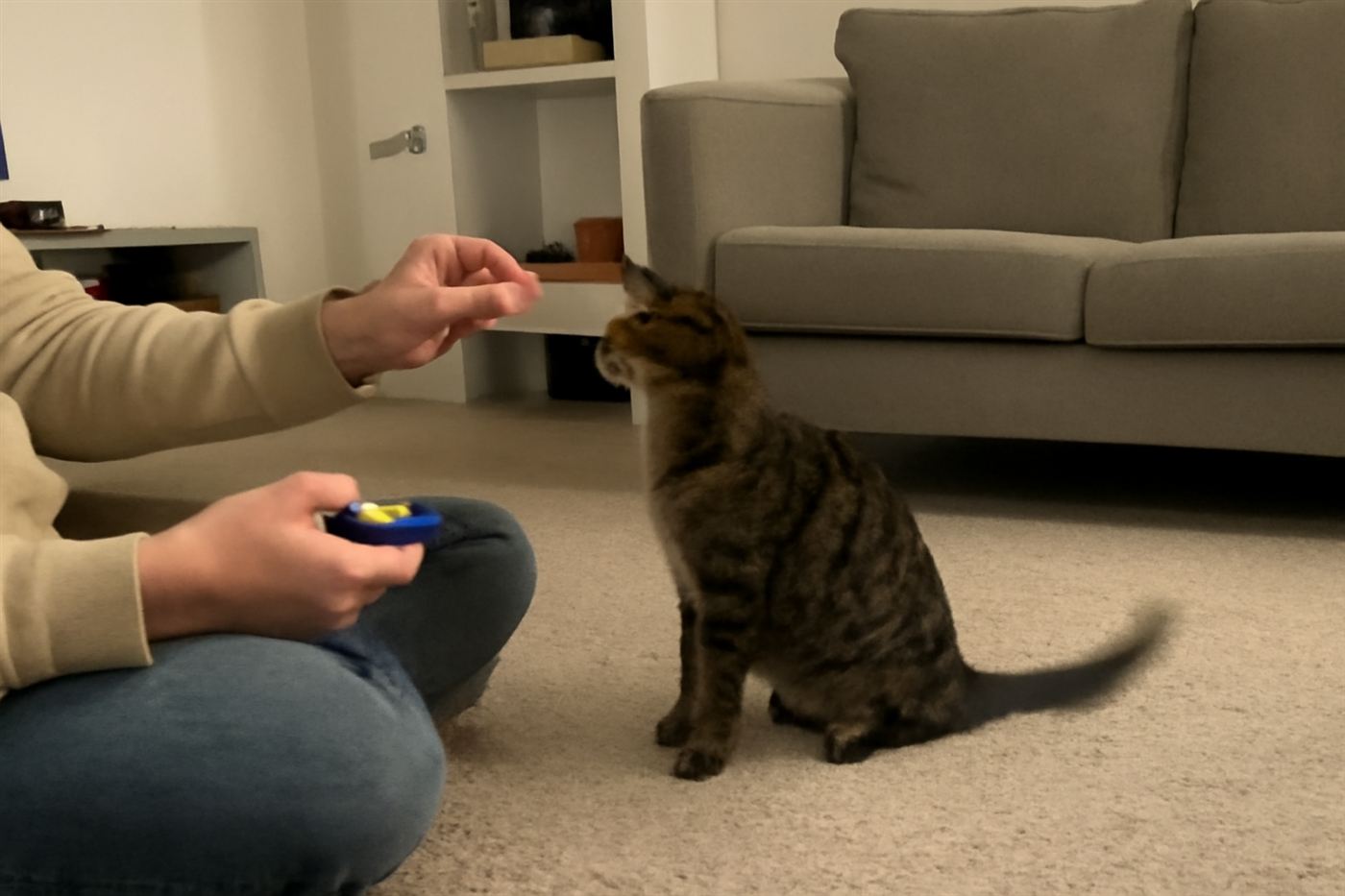
Cats respond great to clicker training and treats, they just need short, reward-only sessions instead of the methods that work on dogs.
Cats aren't colorblind, they see a real but narrower slice of color than we do, and it's not the palette you'd expect.