What Is Cat Trilling? The Chirrup Sound Explained
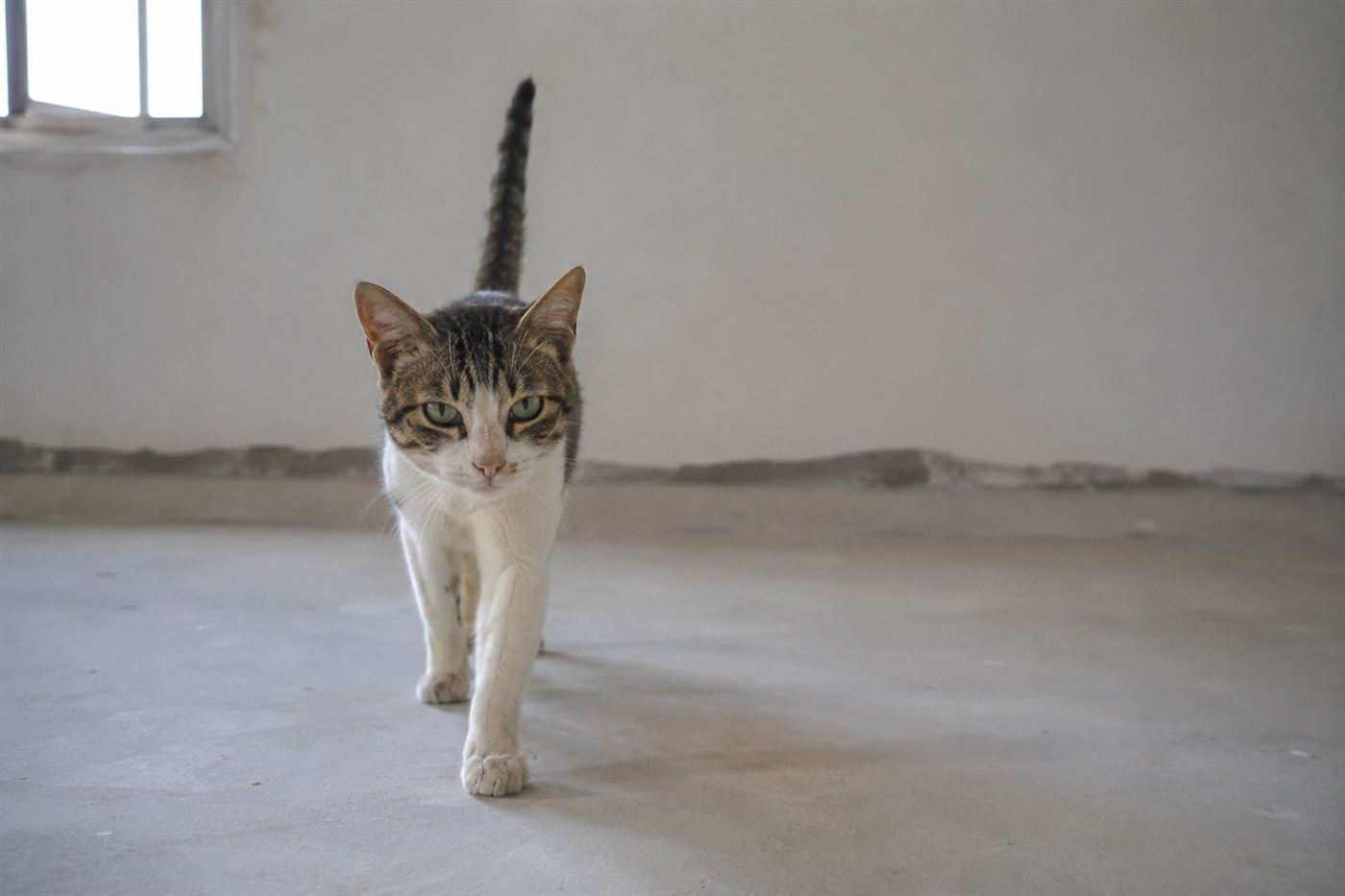
That short, rolling "brrp" sound cats make on the way over to greet you starts as mother-to-kitten communication and often sticks around for life.
Posts tagged "Cat Behavior" · All posts
That short, rolling "brrp" sound cats make on the way over to greet you starts as mother-to-kitten communication and often sticks around for life.
It's one of the most recognizable pre-pounce signals a cat gives, and also one of the least formally studied. Here's the honest state of what's actually known.
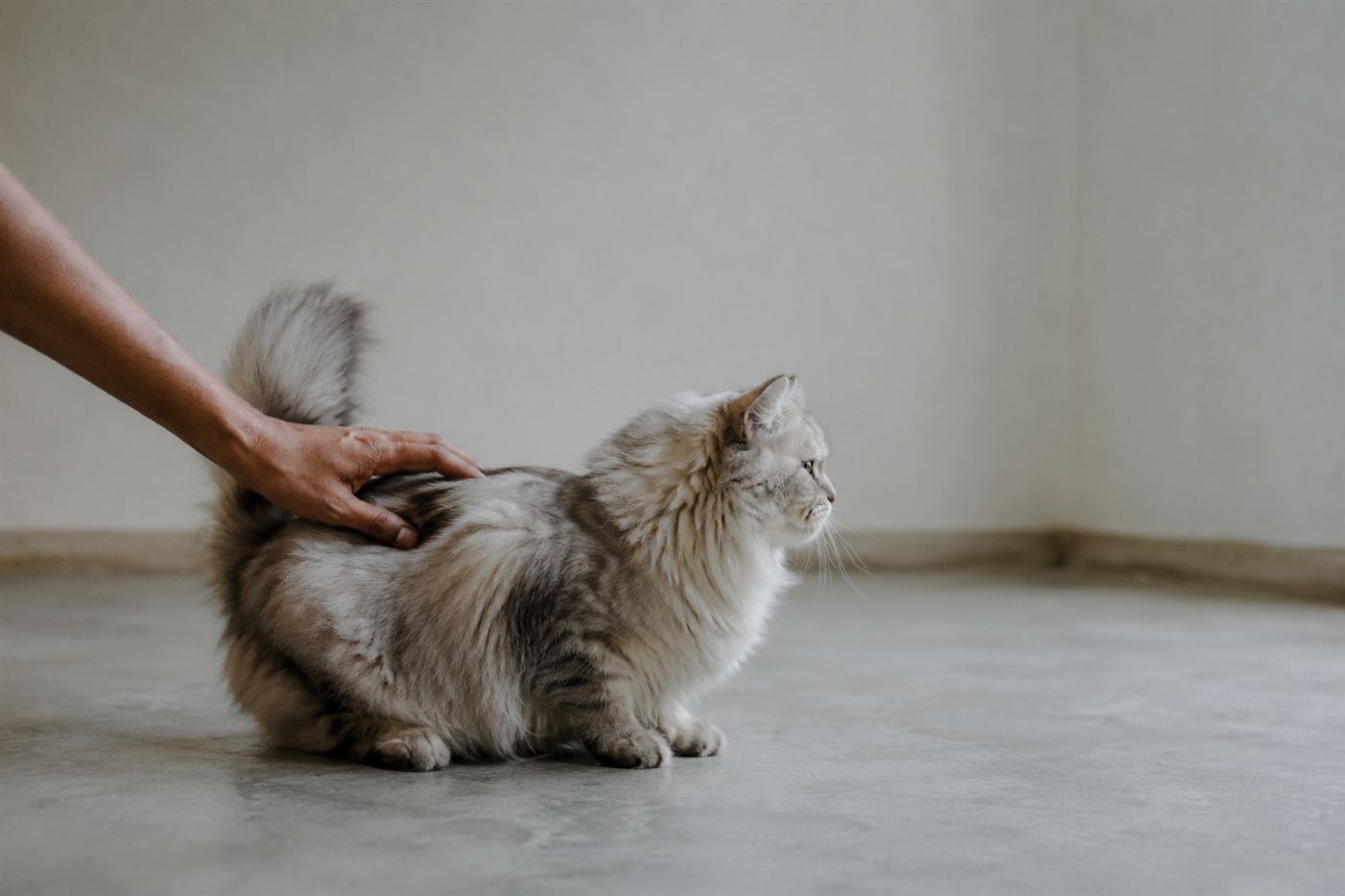
For most cats it's a harmless, sensitive-spot reflex. For a smaller number, it's feline hyperesthesia syndrome, a distinct condition Cornell researchers describe in detail.
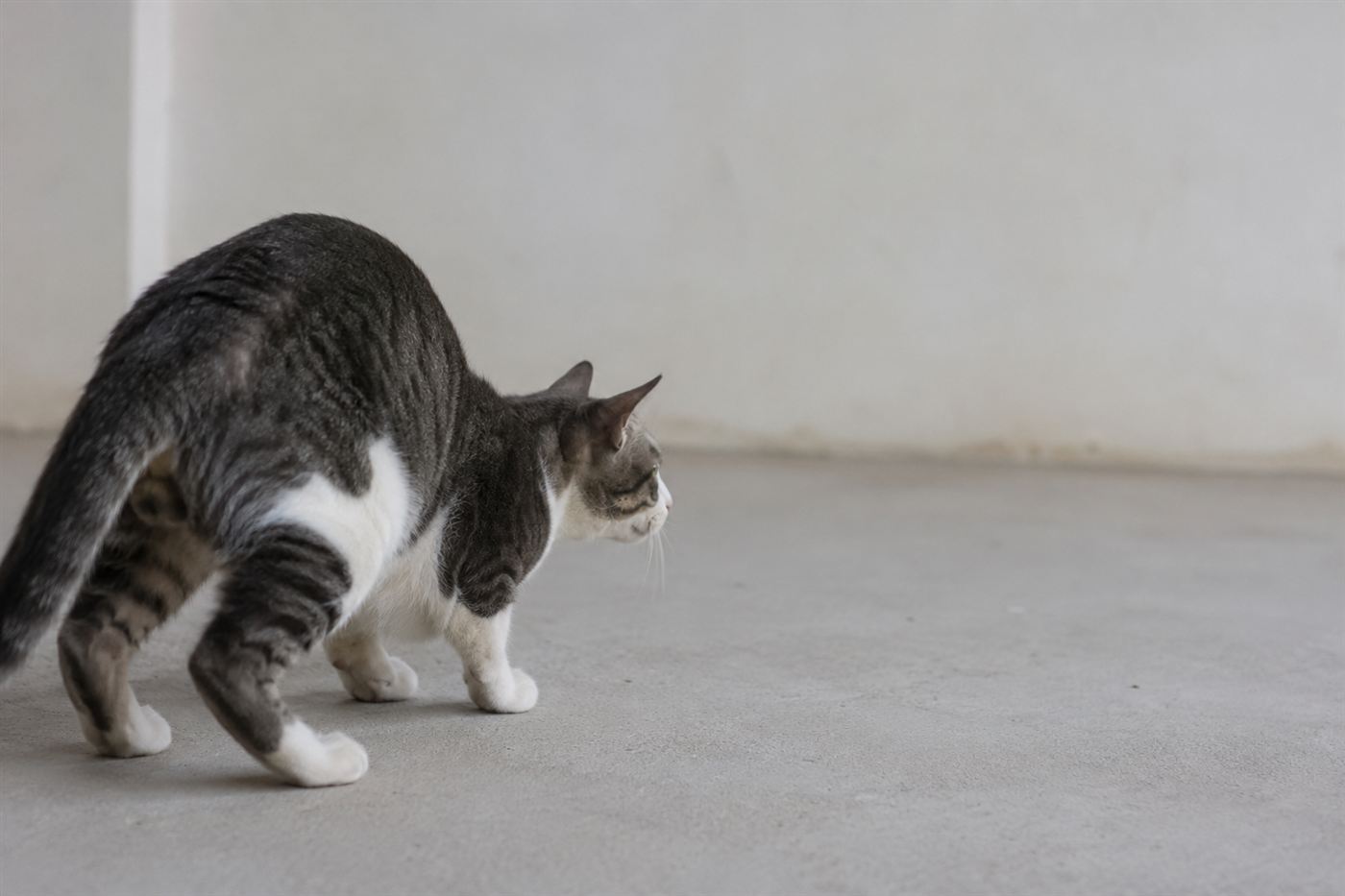
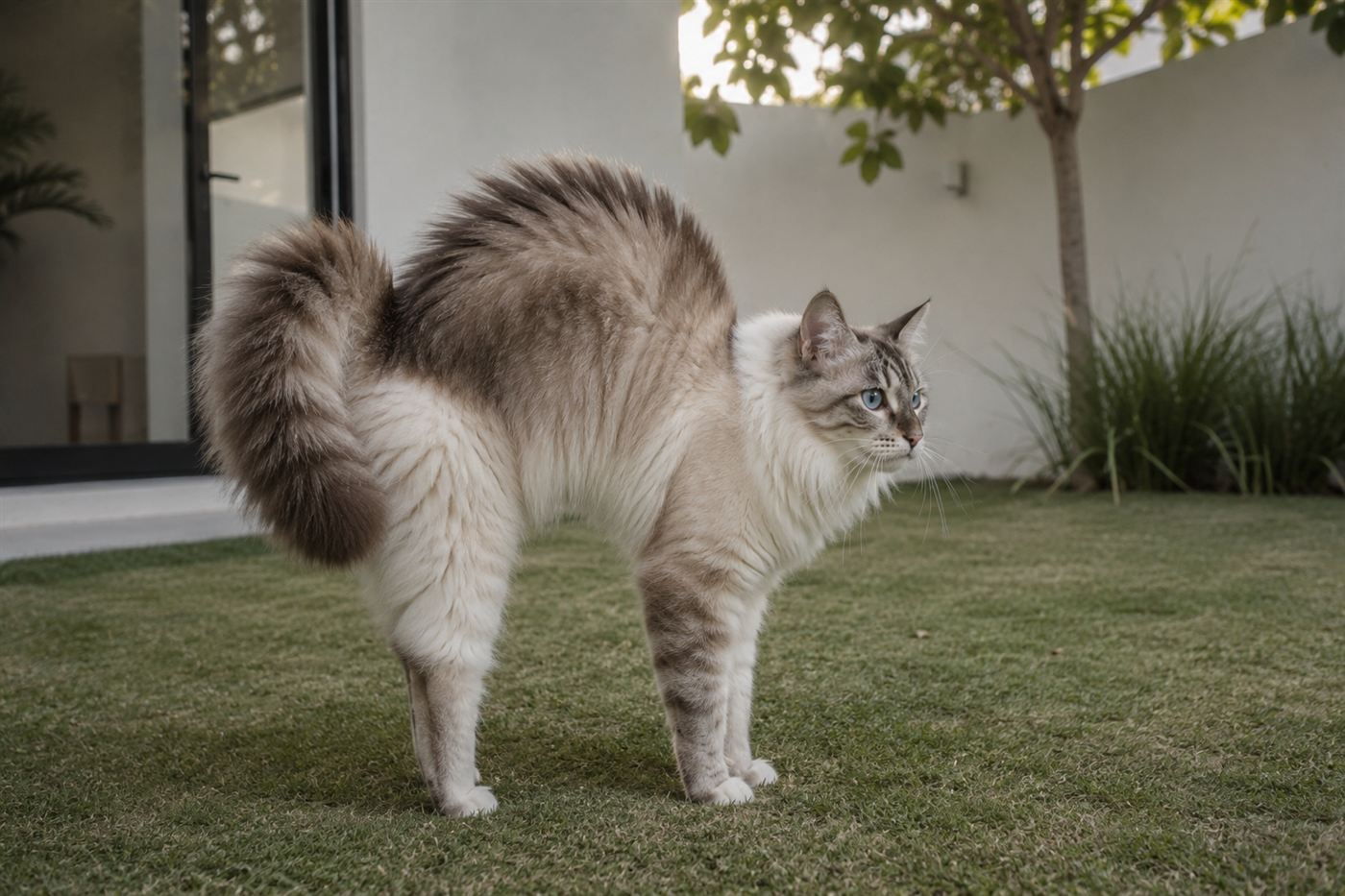
The arched back and puffed-up fur can mean an invitation to play or genuine fear, and the two are easy to tell apart once you know what to actually look at.
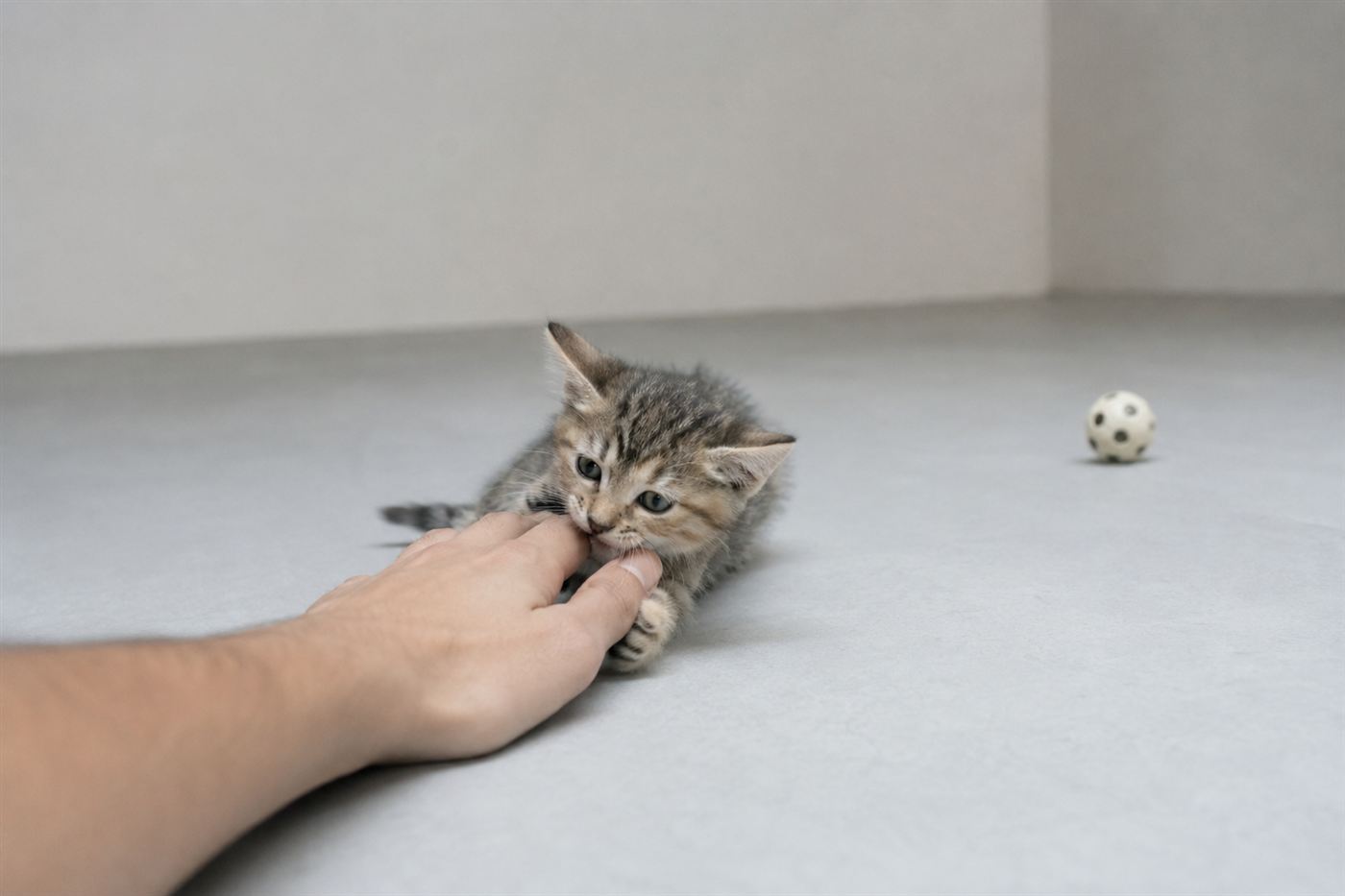
It's rarely hostility. A kitten biting hands is usually unfinished bite inhibition, teething, or play drive with nowhere else to go, backed by real research on weaning age.
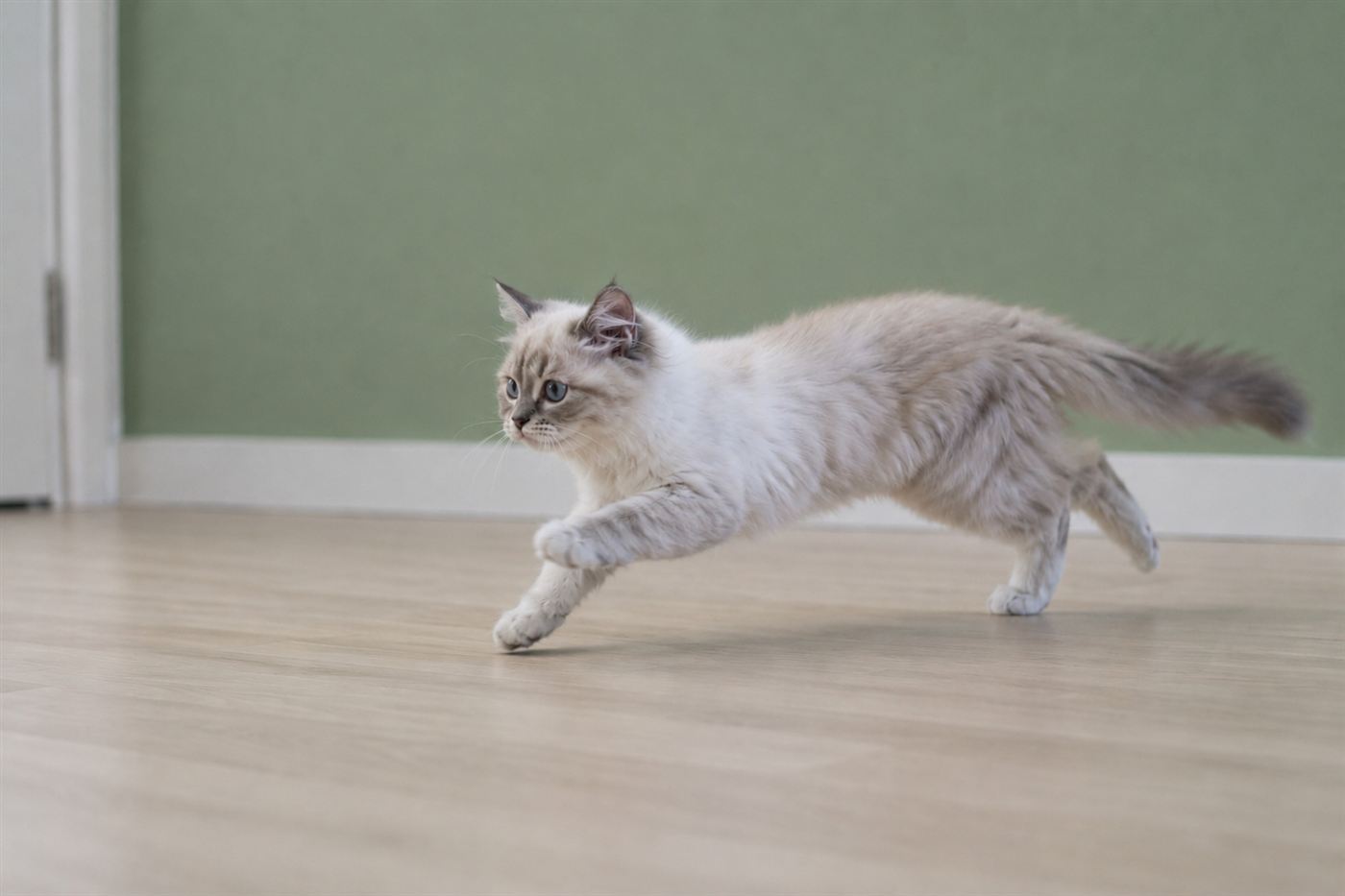
Frenetic random activity periods have a real name in behavior science. Here's why kittens get them more than adult cats, and when the pattern is worth a vet visit.
Tail position, ear angle, and the slow blink all mean something specific. Here's how to read what your cat's body is actually telling you, backed by real behavior research.
A dead mouse on the doormat isn't a message about your hunting skills. Here's the real instinct behind it, and why even well-fed cats still hunt.
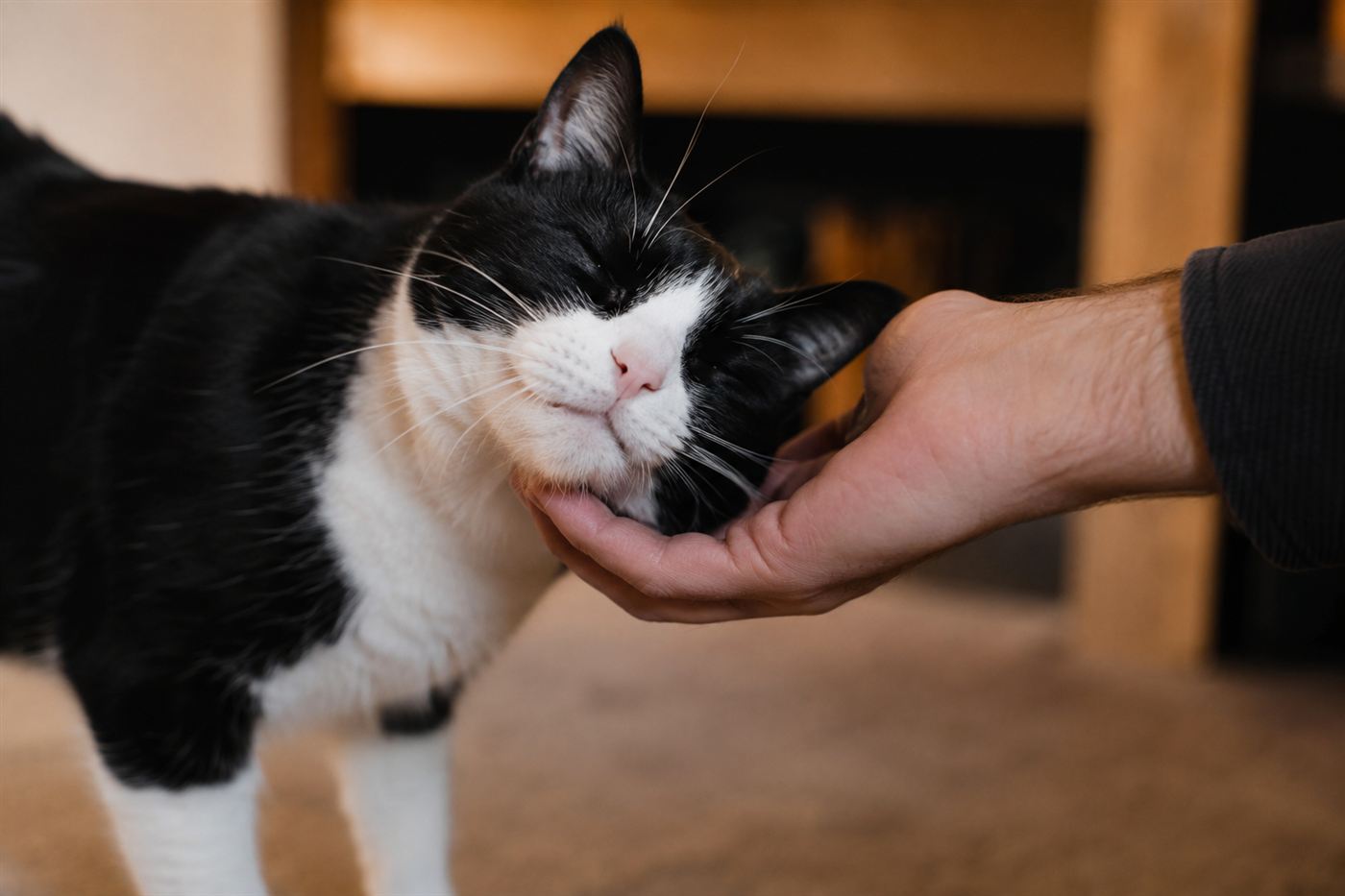
That gentle head bump has a name, bunting, and a real biological reason behind it involving scent glands most owners never think about.
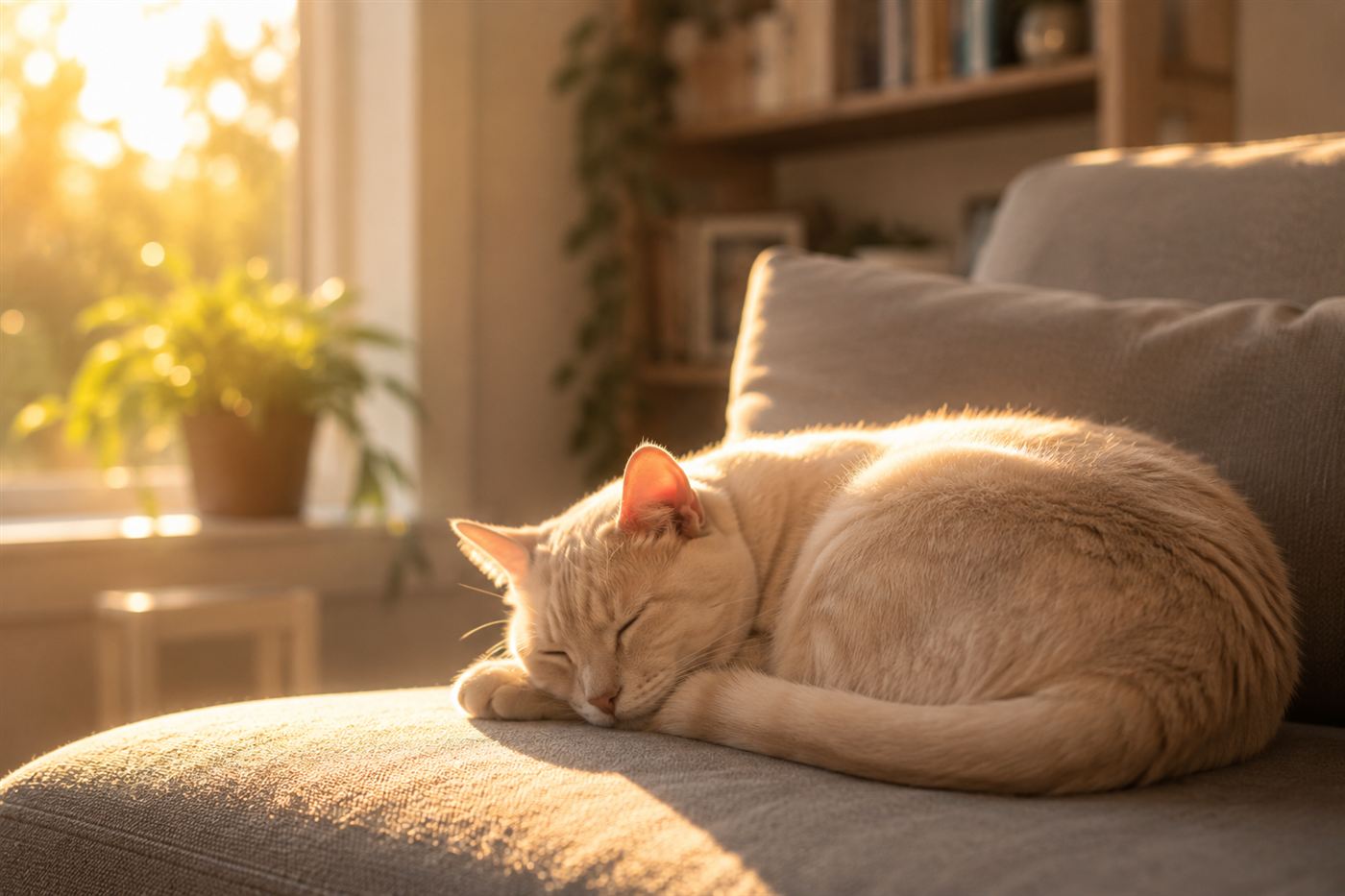
Twelve to sixteen hours a day isn't laziness. It's tied to a crepuscular hunting schedule and a sleep cycle built from many short naps rather than one long stretch.
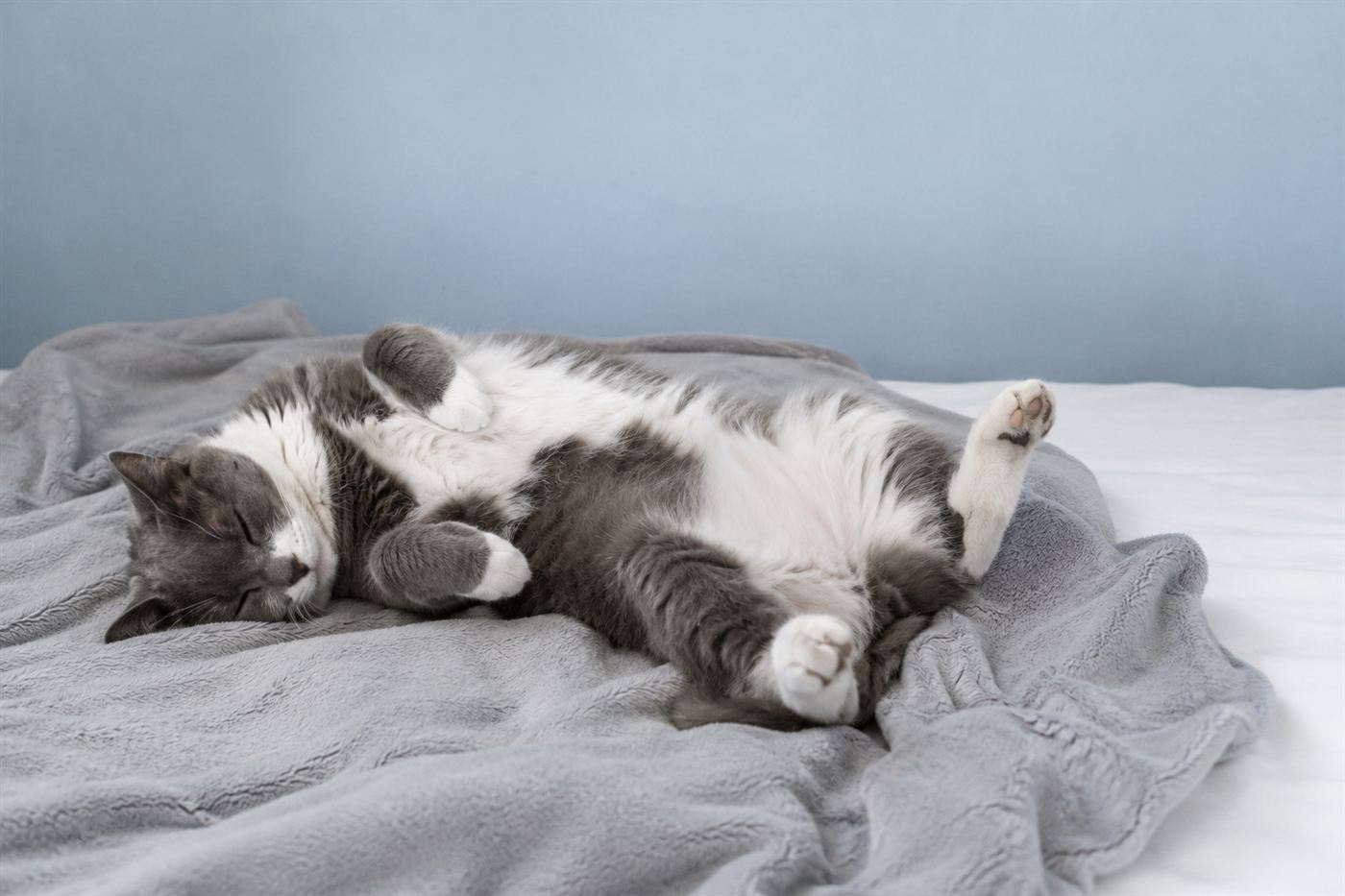
The curl, the loaf, the belly-up sprawl: each sleeping position says something different about how safe and comfortable your cat feels in that moment.
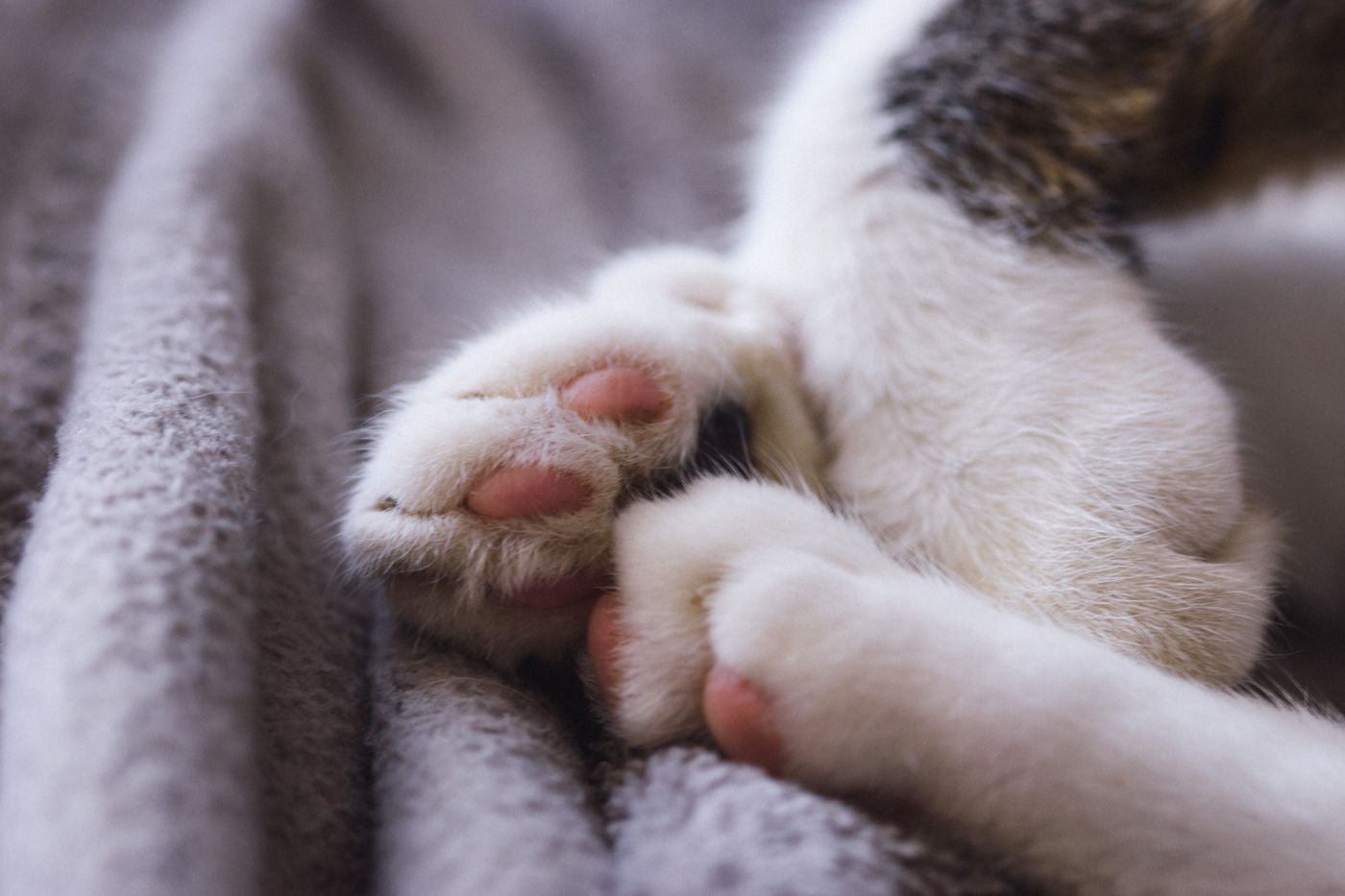
"Making biscuits" traces back to nursing kittens, but comfort, scent-marking, and bonding all play a part in why adult cats keep doing it.